 Add Row
  Add
Add 


Did you know that some serious eye diseases develop silently with no symptoms at all? Many people underestimate how crucial regular eye exams are to preserving good vision and overall eye health. In this comprehensive guide, Dr. James E. Croley, a seasoned ophthalmologist at the Cataract & Refraction Institute, shares clear, expert advice on eye exam frequency tailored to your age, health status, and risk factors. Whether you're young and healthy or in a high-risk group, understanding when and why to schedule your next eye appointment can protect you from vision loss and maintain your quality of life.
Startling Facts About Eye Exam Frequency and Eye Health

Eye exams are more essential than many realize, especially since diseases like glaucoma often progress without any noticeable symptoms. Dr. James E. Croley explains that "Glaucoma doesn’t cause any symptoms, so you don’t know you have it unless you have your eye pressure checked regularly. " This hidden danger means people who skip regular checkups could face irreversible damage to their vision.
Annual or biannual eye exams serve as a crucial early warning system, catching conditions like dry eye syndrome or cataracts before they advance too far. With modern lifestyles increasingly involving extended screen time, the demand for regular, thorough eye health assessments is rapidly growing. Prioritizing your eye exam frequency helps ensure clear vision and eye comfort throughout your life.
Understanding Eye Exam Frequency: What Does It Mean?
What a Comprehensive Eye Examination Entails
A comprehensive eye exam is much more than reading letters on a screen. It involves a detailed evaluation of your overall eye health, visual acuity, and early detection of eye diseases. Techniques include measuring eye pressure to check for glaucoma, examining the retina and optic nerve with advanced imaging machines, and assessing how well your eyes work together.
Dr. Croley emphasizes the importance of these exams for early disease detection, saying, "Ophthalmology is probably the most high-tech specialty of any of them, with machines that scan your retina or optic nerve down to the cell level. " Patients benefit from diagnostic precision that allows for tailored preventive or treatment strategies long before symptoms develop.
Recommended Eye Exam Frequency by Age and Risk Factors
Eye Exam Frequency for Healthy Individuals
For younger healthy individuals without any family history of eye disease, Dr. Croley recommends an eye exam every two to three years. This frequency balances vigilance with practicality, providing periodic checks to catch any emerging issues early. Pediatricians usually monitor eye health during childhood, referring patients when needed.
Routine exams keep track of your visual acuity and allow your eye doctor to notice subtle changes. However, if no issues are detected and your lifestyle is typical, less frequent visits are appropriate for those under 40 to 50 years old.
Eye Exam Frequency for Individuals Over 65

As people enter their senior years, regular eye exams become increasingly critical. After age 65, exams are recommended more frequently—typically every one to two years. The risk of developing cataracts, macular degeneration, and glaucoma rises with age, and closer monitoring helps prevent vision loss.
Dr. Croley highlights the importance of these exams in older adults: "After 65—when other eye diseases start to happen—you need to be checked more often. " Timely diagnosis means more treatment options and better outcomes for preserving quality of life.
Eye Exam Frequency for High-Risk Groups
People with certain risk factors require more vigilant eye exam schedules. High-risk groups include those with a family history of glaucoma or macular degeneration, diabetics, and individuals with previous eye injuries or surgeries. For example, diabetics should have eye exams every year, including dilation, to monitor diabetic retinopathy’s potentially sight-threatening effects.
Regular evaluations help identify disease onset before symptoms appear, critical for conditions like glaucoma, which Dr. Croley calls a “silent threat. ” Early intervention is key to avoiding irreversible damage and maintaining good vision long term.
| Age / Risk Group | Recommended Eye Exam Frequency | Notes |
|---|---|---|
| Children & Healthy Adults under 40 | Every 2-3 years | Routine checks; pediatrician screenings in childhood |
| Adults 40 - 64 with no risk factors | Every 2 years | Begin more regular monitoring for age-related changes |
| Adults 40+ with family history of glaucoma or eye disease | Annually | Monitor eye pressure and optic nerve health |
| Adults over 65 | Every 1-2 years | Increased risk for cataracts, macular degeneration, glaucoma |
| Diabetics or those with other health conditions affecting eyes | Annually | Dilated exam recommended to detect diabetic retinopathy |
The Role of Technology in Modern Eye Exams
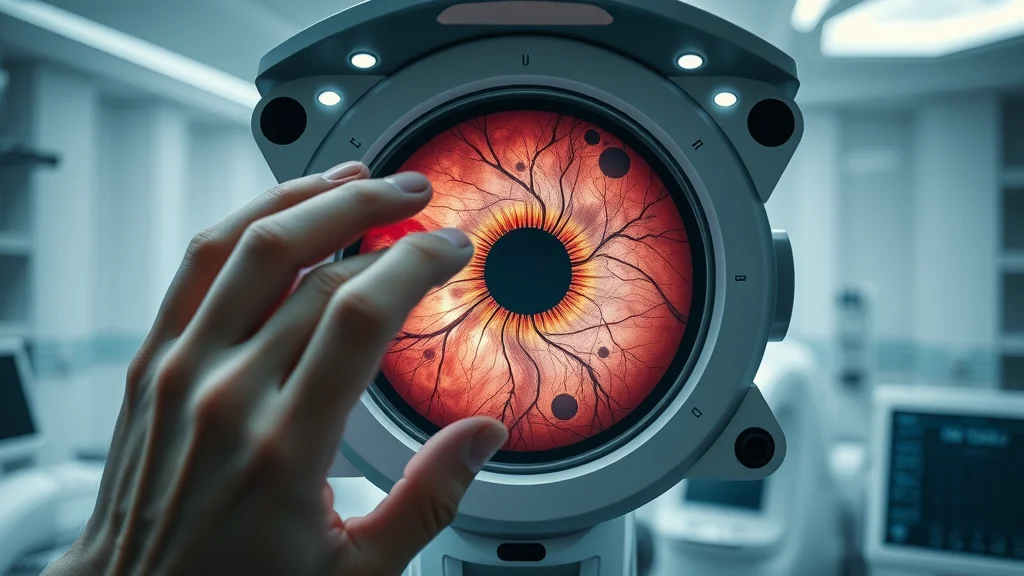
Modern eye exams leverage cutting-edge technology that can detect microscopic changes in eye tissues long before damage is visible to the naked eye. Dr. Croley notes, "Ophthalmology is probably the most high-tech specialty of any of them, with machines that scan your retina or optic nerve down to the cell level. " These finely tuned instruments provide crucial insights that guide precise diagnosis and treatment planning.
This technological evolution means that eye exam frequency can be more personalized and effective. Rather than relying solely on symptom presentation, eye doctors can proactively monitor patients’ eye health, offering preventative care that truly preserves vision.
Common Eye Problems Detected During Eye Exams
Dry Eye Syndrome and Its Modern Causes

Dry eye syndrome has become the most common eye disease in America, in large part due to increased screen time. Dr. Croley explains that prolonged screen exposure causes reduced blinking, which dries out the eyes. Symptoms include irritation, redness, and blurred vision, often impacting daily comfort and work productivity.
Regular eye exams help diagnose dry eye syndrome and guide appropriate treatments—like artificial tears and lifestyle adjustments—that can restore eye surface health and relieve discomfort. Incorporating these checkups into your routine is a key strategy to avoid chronic eye dryness.
Cataracts and Glaucoma: Silent Threats to Vision

Cataracts and glaucoma represent two of the most significant eye conditions detected during regular exams, often before patients notice symptoms. Cataracts cause gradual clouding of the lens, diminishing vision clarity, while glaucoma damages the optic nerve silently and progressively.
Dr. Croley stresses early detection: “Glaucoma can cause irreversible vision damage because it doesn’t always cause symptoms initially. ” Through annual exams and proper monitoring, these conditions can be managed or treated effectively to preserve sight.
How to Prepare for Your Eye Exam and What to Expect

Preparing for an eye exam involves little more than bringing your current eyewear, a list of medications, and your medical history. It’s helpful to note any vision changes or symptoms you’ve noticed since your last visit.
Your eye doctor may perform a variety of tests, including visual acuity charts, eye pressure measurement, retinal imaging, and pupil dilation. These collectively provide a comprehensive view of your eye health, so expect the appointment to last about 30 to 60 minutes depending on the tests required.
Tips for Maintaining Eye Health Between Exams
Between eye exams, maintaining good eye health is vital. Dr. Croley recommends a healthy diet rich in vitamins, protecting your eyes from UV rays with sunglasses, and taking regular breaks from screens to prevent eye strain and dryness. Applying artificial tears can help keep eyes lubricated, especially if you spend hours on digital devices.
Good eye care habits coupled with an appropriate eye exam frequency schedule create a twofold defense against deterioration in vision, enabling you to keep your eyesight sharp over the years.
People Also Ask: Common Questions About Eye Exam Frequency
How often do I really need an eye exam?
The frequency depends on your age, medical history, and risk factors. Healthy young adults might visit every 2-3 years, whereas older adults or people with certain risk factors should see their eye doctor annually or as recommended.
Is an eye test every 2 years sufficient?
For generally healthy individuals under 40, a two-year interval can be sufficient. But those with family history or symptoms of eye problems may require more frequent exams.
Are eye exams yearly or every 6 months?
Most people benefit from yearly exams after age 40 or with certain conditions like diabetes or glaucoma risk. Exams every 6 months are usually reserved for patients with active eye diseases that require close monitoring.
How long should you wait between eye exams?
This interval varies. Your eye doctor will tailor recommendations based on individual health. Generally, every one to two years is a good guideline for most, with more frequent visits as needed based on exam findings or symptoms.
Expert Insights & Best Practices on Eye Exam Frequency
Dr. Croley emphasizes, "Regular eye exams are essential because many eye diseases like glaucoma have no early symptoms but can cause irreversible damage if untreated."
Incorporating regular eye exams into your healthcare routine is a proven way to guard against preventable vision loss. Trust your eye doctor’s advice to create a personalized eye exam frequency plan that fits your lifestyle and health needs.
Key Takeaways on Eye Exam Frequency
- Eye exam frequency varies by age, health, and risk factors.
- Regular exams help detect silent eye diseases early.
- Technological advances improve diagnostic accuracy.
- Protecting eyes and maintaining healthy habits supports long-term vision.
- Consult your eye doctor to establish a personalized exam schedule.
Conclusion: Prioritize Your Eye Health with Regular Exams
Commit to regular eye exams tailored to your risk profile to catch eye diseases early and maintain healthy vision throughout life.
Schedule Your Next Eye Exam Today
Don't wait for symptoms to appear. Contact your eye doctor now to book your comprehensive eye exam and ensure your vision stays sharp and healthy for years to come.
Sources:



Write A Comment