 Add Row
  Add
Add 


Did you know that over 60% of people experience symptoms of digital eye strain daily due to prolonged screen time? In today’s tech-driven world, digital devices are practically unavoidable, but protecting your eyes from this silent strain is essential. Understanding digital eye strain prevention can help you maintain healthy vision while navigating the digital age comfortably and safely. This article dives deep into the causes, symptoms, and expert-backed tactics to shield your eyes from digital strain and computer vision syndrome.
Startling Facts About Digital Eye Strain and Its Impact on Vision
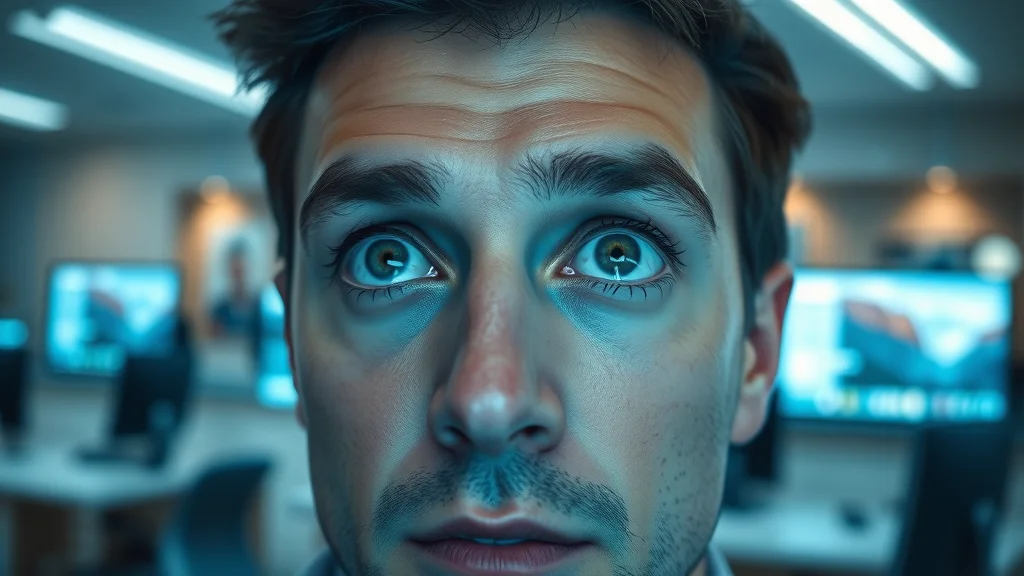
Digital eye strain, also called computer vision syndrome, affects a staggering number of individuals globally due to the widespread use of digital devices. Research illustrates that more than half of workers who use digital screens for more than 3 hours a day suffer from eye discomfort and vision problems linked to prolonged screen exposure. This condition encompasses symptoms like headaches, blurred vision, dry eyes, and neck or shoulder pain, reducing productivity and quality of life.
Interestingly, the root of digital eye strain isn’t just about looking at screens—it's about how screens affect normal eye function. For example, staring at digital devices slows down blinking, leading to dry eyes, which Dr. James E. Croley, of the Cataract & Refraction Institute of Florida, identifies as the most common modern eye disease. Understanding these shockingly prevalent symptoms is the first step towards effective digital eye strain prevention.

Understanding Digital Eye Strain and Computer Vision Syndrome
Common Symptoms of Eye Strain from Digital Devices
Digital eye strain manifests in several telltale symptoms. Individuals often report dry, itchy, or watery eyes, blurred or double vision, headaches, and difficulty focusing. Many also experience neck and shoulder discomfort due to poor posture while using computers and mobile devices. These symptoms typically arise after extended screen time and can intensify without proper preventive measures.
Experts emphasize that recognizing these symptoms early can prevent long-term vision problems. According to Dr. Croley, “You’ve got to limit your time, and you’ve got to keep your eyes lubricated. It doesn’t harm your eye to look at it. It’s what it does—you decrease your blinking, which dries your eye out. ” This insight pinpoints blinking as a natural protective reflex often forgotten during screen use.
How Blue Light Affects Your Eyes
Blue light emitted from digital screens is often blamed for eye strain and disrupted sleep patterns. This high-energy visible light penetrates deep into the eyes and can contribute to eye fatigue. Although blue light itself doesn’t cause permanent eye damage, exposure can increase visual discomfort and strain.
Research suggests that managing blue light exposure through screen settings or specialized lenses can reduce strain symptoms. However, the most impactful strategies focus on habitual visual breaks, proper lighting, and lubrication to support overall eye health.

Expert Insights on Digital Eye Strain Prevention from Dr. James E. Croley
Dr. James E. Croley, of the Cataract & Refraction Institute, explains, "You’ve got to limit your time, and you’ve got to keep your eyes lubricated. It doesn’t harm your eye to look at it. It’s what it does—you decrease your blinking, which dries your eye out."
The Role of Regular Eye Exams in Preventing Vision Syndrome
Regular comprehensive eye exams are pivotal in digital eye strain prevention as they help identify silent conditions such as glaucoma or macular degeneration early on. Dr. Croley highlights that many eye diseases can progress without symptoms: “Glaucoma doesn’t cause any symptoms, so you don’t know you have it unless you have your eye pressure checked. ” Annual or biennial visits to an eye care professional are recommended, especially for individuals over 40 or those with a family history of eye diseases.
During these checkups, eye specialists use advanced diagnostic equipment that can scan the retina and optic nerve down to the cell level, allowing precise assessment of eye health. These innovations facilitate early interventions, minimizing vision impairment risks from digital screen use and other causes.
Practical Tips for Digital Eye Strain Prevention
- Follow the 20-20-20 rule: Every 20 minutes, focus on something 20 feet away for at least 20 seconds to reduce eye fatigue.
- Use artificial tears regularly to keep your eyes moist during extended screen use, especially if you experience dry eye symptoms.
- Adjust your screen’s brightness and contrast to comfortable levels aligned with your environment to avoid glare and excessive strain.
- Maintain proper ergonomics: Keep screens at eye level and at a comfortable distance to reduce neck strain and optimize focus.
- Wear sunglasses outdoors to protect against harmful UV rays, which further supports overall eye health, as recommended by Dr. Croley.

Technological Advances in Eye Care for Digital Device Users
Dr. Croley notes, "Ophthalmology is probably the most high-tech specialty of any of them. We have machines that scan your retina or optic nerve for any kind of damage down to the cell level."
Thanks to technological progress, eye care has become more precise and patient-friendly. Modern clinics use sophisticated retinal scanners, visual field analyzers, and lasers to diagnose and treat various eye conditions. These tools not only improve disease detection but also enhance the accuracy of treatments, especially for those suffering from digital eye strain-related complications.
Patients benefit from streamlined diagnostics and minimally invasive procedures, ensuring that vision issues detected early during routine exams can be treated effectively, helping maintain clear vision even with heavy screen time.

Common Misconceptions About Digital Eye Strain
Many believe that blue light alone causes permanent eye damage or that glasses labeled “blue light blocking” cure eye strain. While blue light can contribute to discomfort, it is not a direct cause of serious eye diseases. Additionally, digital eye strain is more often a result of reduced blinking and poor screen habits rather than screen light intensity itself.
It’s also a misconception that digital eye strain effects are irreversible. With proper care, including lifestyle adjustments and expert-recommended practices, most symptoms can be alleviated. Understanding these facts can help users adopt realistic and effective prevention strategies rather than relying solely on quick fixes.
People Also Ask: FAQs on Digital Eye Strain Prevention
How to prevent digital eye strain?
Preventing digital eye strain involves a combination of regular breaks, blinking frequently, maintaining adequate screen distance, and ensuring proper lighting to minimize glare. Using artificial tears and optimizing device settings also play crucial roles. Eye health professionals recommend the 20-20-20 rule and regular eye checkups.

Can digital eye strain be corrected?
Yes, digital eye strain symptoms can often be corrected or significantly reduced with behavioral changes and simple treatments. These include taking breaks during screen time, lubricating the eyes, proper ergonomic setup, and prescribing corrective lenses if needed.
Can digital eye strain go away?
In many cases, digital eye strain symptoms are temporary and will subside once screen habits improve and protective measures are adopted. If symptoms persist, consulting an eye care professional is important to rule out more serious underlying conditions.
| Symptom | Cause | Prevention Method |
|---|---|---|
| Dry eyes | Reduced blinking when looking at screens | Use artificial tears, blink more frequently, take breaks |
| Blurred vision | Prolonged focusing and improper screen distance | Apply 20-20-20 rule, adjust screen ergonomics |
| Headaches | Eye muscle strain and poor lighting | Maintain proper posture, adjust ambient light |
| Neck and shoulder pain | Poor workstation ergonomics | Ergonomic chairs and screen positioning |
Key Takeaways for Maintaining Healthy Vision in the Digital Age
- Digital eye strain is widespread but manageable with informed practices.
- Regular eye exams are crucial to detect asymptomatic conditions like glaucoma.
- Simple lifestyle adjustments such as the 20-20-20 rule and eye lubrication significantly reduce symptoms.
- Technological advances enable detailed diagnostics and better treatments.
- Expert advice from Dr. James E. Croley underscores the importance of blinking, keeping eyes moist, and taking scheduled breaks.
Conclusion: Prioritize Your Eye Health with Digital Eye Strain Prevention
Take proactive steps today: incorporate regular breaks, maintain hydration through artificial tears, and schedule routine eye exams to safeguard your vision amid increasing digital demands.
Take Action Today for Better Eye Health
Begin implementing the 20-20-20 rule, adjust your screen environment, and consult an eye care professional to craft a personalized plan for digital eye strain prevention. Your eyes deserve it.
What You'll Learn
- The real impact of digital eye strain and its prevalence.
- How digital screens affect blinking and eye lubrication.
- Practical strategies and expert-backed tips for prevention.
- Advances in diagnostic technology ensuring early detection.
- Answers to common questions and clearing misconceptions.



Write A Comment