Add Row
Add Element
cropper
update
Cape Coral Home Improvement
update
Add Element
  • Home
  • Categories
    • Home
    • Improvement
    • Style
    • Upgrades
    • Design
    • Renovation
    • Creativity
    • RealEstate
    • SmartTech
    • CapeCoral
  • Landscaping
  • Roofing
  • All Posts
  • Home
  • Improvement
  • Style
  • Upgrades
  • Design
  • Renovation
  • Creativity
  • RealEstate
  • SmartTech
  • CapeCoral
  • Landscaping
  • Roofing
  • Extra News
March 01.2026
1 Minute Read

A Lifetime in Ophthalmology: The Journey and Insights of Dr. James E. Croley

Did you know? One of the most transformative moments in medicine is when patients regain clear vision overnight after cataract surgery. This extraordinary blend of cutting-edge technology and skilled care underscores the promise of an ophthalmology career. Discover the inspiring journey of Dr. James E. Croley, whose lifelong dedication showcases how restoring sight truly is a modern miracle.

Startling Facts About Ophthalmology Careers and Vision Restoration

A career in ophthalmology allows physicians to perform life-changing work that often literally brings light back into patients’ lives. Dr. James E. Croley, a renowned eye surgeon with over 46 years in practice at the Cataract & Refraction Institute of Florida, reflects on the profound impact of his work: "Some patients come in totally blind from cataracts, and after surgery, they see 20/20 the next day—the smile on their face is pretty rewarding. "

This specialty uniquely blends precise surgical skills with high-tech diagnostic tools, enabling experts to transform blurred, dim, or impaired vision into clarity seemingly overnight. For aspiring eye care specialists, understanding the significant and intimate difference they will make is a compelling motivator and underlines the rewarding nature of ophthalmology career insights.

Dr. Croley credits constant innovation as a central feature of ophthalmology. "Cataract surgery keeps changing all the time—new advances. . . new intraocular lenses keep coming out. It’s always advancing. It’s never stationary. " This rapid development ensures that ophthalmologists are at the forefront of medical technology, continually improving outcomes for their patients.

Elderly patient experiencing restored vision in an ophthalmology clinic with the support of family and physician

What You'll Learn in This Guide

  • The inspiring journey of Dr. James E. Croley in ophthalmology
  • Key stages and challenges in medical school and residency programs
  • Common eye conditions and their treatments including diabetic retinopathy
  • Technological advancements shaping modern ophthalmology
  • Practical advice for maintaining eye health and pursuing an ophthalmology career

Early Inspirations and Educational Path for an Ophthalmology Career

Deciding on Ophthalmology: From Teenage Conviction to Medical School

Dr. James E. Croley, of the Cataract & Refraction Institute, explains, "I actually decided to do this when I was 14... ophthalmology was a fabulous thing because it restored people’s vision."

Dr. Croley's path exemplifies how early inspiration can steer one’s life mission. At just 14 years old, influenced by a family friend who was an ophthalmologist, Dr. Croley committed to this demanding specialty. This early certainty propelled him through the rigorous educational journey encompassing college, medical school, and residency—steps crucial for acquiring the skills essential for a successful ophthalmology career.

His story highlights how passion, combined with dedication, is fundamental to thriving in such a competitive medical field. From those initial spark moments in youth, individuals motivated by a desire to restore vision can map a clear career trajectory focused on meaningful patient impact.

Navigating Medical School and Residency Programs

Medical training for ophthalmologists is among the most rigorous. After completing general medical education, aspiring specialists endure challenging residency programs that provide comprehensive clinical and surgical experience. Dr. Croley recalls undertaking extensive procedures early in his career, including complex surgeries beyond cataracts, such as tumors behind the eye and orbital bone work.

This breadth of early training is vital as it provides a strong foundation before sub-specializing. Today, Dr. Croley focuses on cataract surgery, glaucoma treatment, and related areas. Prospective medical students must excel academically and competitively pursue these coveted residency placements.

Medical students collaborating and studying in a bright academic library setting during ophthalmology training
Comparison of Ophthalmology Residency Programs and Key Requirements
Residency Program Duration Academic Requirements Surgical Exposure Research Opportunities
Top-Tier University Hospital 3-4 years Excellent grades, high USMLE scores Extensive cataract, retinal surgeries Robust research & innovation focus
Community Hospital Program 3 years Strong clinical performance Broad clinical surgical work Moderate, clinically oriented research
Specialized Ophthalmic Institute 3 years Competitive applications with ophthalmology interest Focused on cataract & glaucoma Emerging clinical trial involvement

Common Eye Conditions Treated in Ophthalmology

Dry Eye Syndrome and Its Modern Causes

Dry eye syndrome is the most common eye disease encountered by ophthalmologists today. Dr. Croley explains that "we’re all glued to a flat screen. . . when you do that, you don’t blink—or you slow down your blinking—and it dries your eyes out. " This modern lifestyle factor, driven by prolonged digital device use, causes discomfort and vision problems for millions.

Effective treatment involves a combination of lifestyle adjustments, such as taking frequent breaks from screens and using artificial tears, alongside medical therapies tailored to individual severity. Understanding these causes is vital for both prevention and management in everyday eye care.

Understanding Diabetic Retinopathy and Glaucoma

Dr. Croley emphasizes, "If you have diabetes, you need to have your eyes checked every year and dilated to make sure you’re not developing diabetic retinopathy."

Chronic diseases pose significant risks to vision. Diabetic retinopathy and glaucoma are silent threats that can progress without noticeable symptoms but lead to irreversible damage if untreated. Annual eye exams with pressure checks and retinal imaging are critical to early detection.

For glaucoma, Dr. Croley underscores, "Glaucoma doesn’t cause any symptoms, so you don’t know you have it unless you have your eye pressure checked. " This highlights the importance of regular, comprehensive eye screenings to protect long-term eye health, especially for those with family history or risk factors.
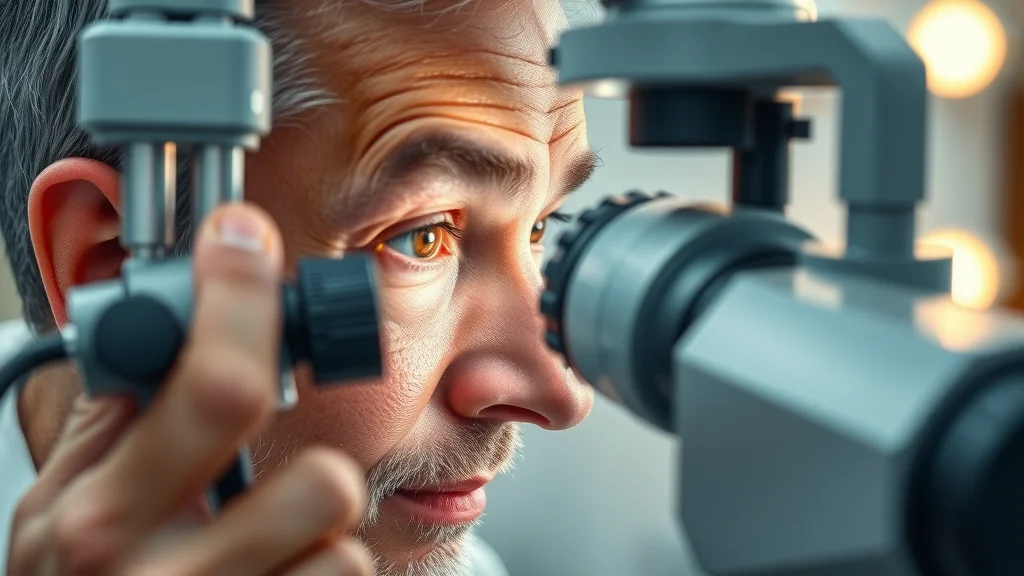
Ophthalmologist examining patient

Technological Advances in Ophthalmology Career Insights

According to Dr. Croley, "Ophthalmology is probably the most high-tech specialty of any of them."

The field of ophthalmology stands at the forefront of medical technology. From ultrasounds and lasers to retinal scanners with the ability to detect damage down to the cellular level, ophthalmologists utilize a vast array of sophisticated diagnostic and surgical tools. This technology not only improves surgical precision but also enhances early disease detection and individualized treatment plans.

Recent innovations in cataract surgery machines and new intraocular lenses continue to refine the process of vision restoration, making procedures safer, quicker, and more effective. As Dr. Croley notes, the specialty’s continual technological evolution ensures practitioners stay on the cutting edge, vastly improving patient outcomes day by day.
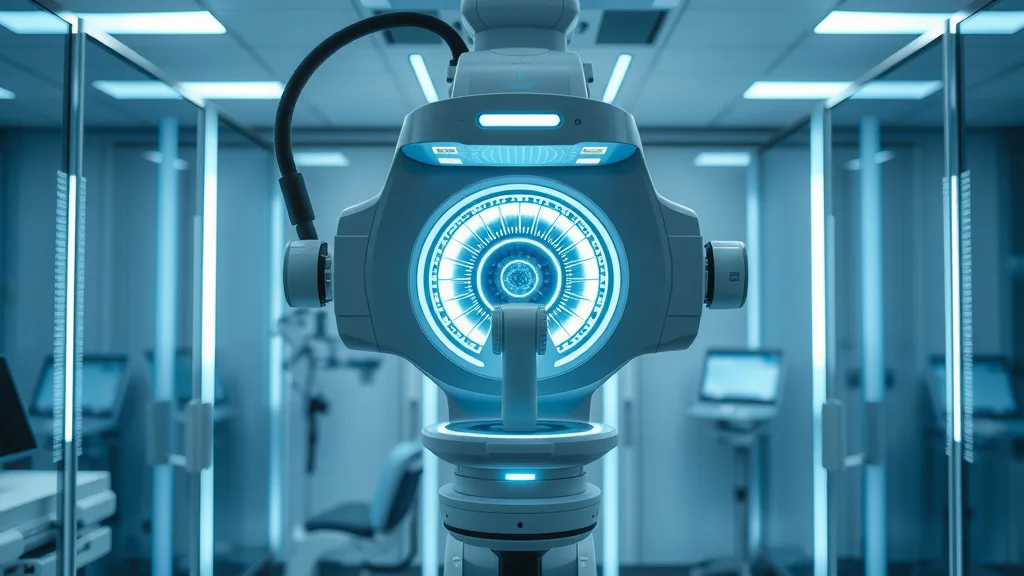
Modern ophthalmology clinic equipped with advanced retinal scanner and surgical instruments

Creating a Patient-Centered Ophthalmology Practice

Patient Comfort and Education Strategies

Dr. Croley shares, "Our rooms have names, not numbers, and we play educational content to help patients feel informed and comfortable."

Providing excellent eye care goes beyond medical expertise; it encompasses a welcoming, informative environment that fosters trust and reduces patient anxiety. Dr. Croley’s practice embraces this ethos by personalizing examination rooms with names and themed art, creating a more comforting atmosphere distinct from typical clinical settings.

Educational materials and direct communication play a pivotal role in empowering patients. By addressing questions thoughtfully and offering insights into eye conditions, Dr. Croley ensures that patients are well-informed partners in their eye health journey, enhancing satisfaction and clinical outcomes.

Community Outreach and Charitable Work in Ophthalmology

He states, "Some patients come in totally blind from cataracts, and after surgery, they see 20/20 the next day—the smile on their face is pretty rewarding."

Beyond clinical practice, Dr. Croley exemplifies how ophthalmologists can profoundly impact communities by providing care to underserved populations. Volunteering with the Florida Lions Eye Clinic, he performs cataract surgeries often at reduced cost or free, restoring vision to those with limited healthcare access.

Such outreach not only advances public health but enriches professional fulfillment through the tangible difference made in patients' lives. These acts highlight the humanitarian dimension of an ophthalmology career, reinforcing why many choose this specialty.

Doctor comforting elderly patient in community ophthalmology clinic showing joy after vision restoration

Advice for Aspiring Ophthalmologists and Medical Students

Preparing for Medical School and Residency

Embarking on an ophthalmology career requires early and sustained commitment. Dr. Croley advises prospective students to "do a lot of hard work and study. Ophthalmology is one of the most difficult residencies to get into, so you’ve got to make sure you do well in medical school and just be really fortunate. "

Academic excellence, clinical experience, and strong letters of recommendation are essential to secure placement in competitive ophthalmology residency programs. Passion for eye care combined with perseverance throughout training sets the foundation for a rewarding specialty focused on surgical precision and patient-centered care.

Motivated medical student studying anatomy notes at sunrise preparing for ophthalmology medical school

Maintaining Eye Health: Practical Tips from Dr. Croley

Dr. Croley stresses simple yet effective habits for eye health maintenance: "Be healthy. Have a good, healthy diet. Protect your eyes from the sun—wear sunglasses outside. " He also emphasizes the importance of breaks during screen time and using artificial tears to prevent dry eyes caused by decreased blinking.

For individuals with a family history of macular degeneration, specific supplements may help slow progression. These practical steps empower patients to actively participate in preserving their vision and complement regular eye exams.

The Importance of Regular Eye Exams

Regular comprehensive eye exams are critical for early detection of asymptomatic eye diseases. Dr. Croley explains tailored recommendations based on risk factors and age: healthy individuals under 40 can visit every two to three years, while those over 65 or with risk factors like diabetes should have annual exams.

Early diagnosis is particularly vital for conditions like glaucoma and diabetic retinopathy, which can progress silently. Timely intervention can prevent vision loss, making routine ophthalmological care a cornerstone of sustained eye health.

Common Questions About Ophthalmology Careers and Eye Health

  • What qualifications are needed to become an ophthalmologist?
  • How often should I have my eyes examined?
  • What are the latest treatments for diabetic retinopathy?
  • How does screen time affect eye health?
  • What is the role of technology in modern ophthalmology?

Key Takeaways from Dr. James E. Croley’s Ophthalmology Career Insights

  • Ophthalmology combines advanced technology with compassionate patient care.
  • Early decision and dedication are crucial for a successful ophthalmology career.
  • Regular eye exams are vital for detecting silent diseases like glaucoma and diabetic retinopathy.
  • Community service enriches the professional and personal fulfillment of ophthalmologists.
  • Maintaining eye health requires lifestyle awareness and preventive care.

Conclusion: Embracing a Rewarding Career in Ophthalmology

Pursuing ophthalmology offers a unique chance to blend technological expertise with deeply human connection—restoring vision, enhancing lives, and continuously advancing the art and science of eye care.

Call to Action

If you’re inspired by Dr. Croley’s journey and wish to explore a career that makes a real difference, begin by focusing on your education, gaining clinical exposure, and staying curious about emerging technologies that shape modern ophthalmology.


Sources

  • https://www.aao.org/eye-health
  • https://www.aao.org/ophthalmic-education-residency
  • https://www.lionseyeclinic.org
Extra News

0 Views

0 Comments

Write A Comment

*
*
Related Posts All Posts
03.01.2026

How Often Should You Get an Eye Exam? Expert Answers from Dr. James E. Croley

Did you know that some serious eye diseases develop silently with no symptoms at all? Many people underestimate how crucial regular eye exams are to preserving good vision and overall eye health. In this comprehensive guide, Dr. James E. Croley, a seasoned ophthalmologist at the Cataract & Refraction Institute, shares clear, expert advice on eye exam frequency tailored to your age, health status, and risk factors. Whether you're young and healthy or in a high-risk group, understanding when and why to schedule your next eye appointment can protect you from vision loss and maintain your quality of life. Startling Facts About Eye Exam Frequency and Eye Health Eye exams are more essential than many realize, especially since diseases like glaucoma often progress without any noticeable symptoms. Dr. James E. Croley explains that "Glaucoma doesn’t cause any symptoms, so you don’t know you have it unless you have your eye pressure checked regularly. " This hidden danger means people who skip regular checkups could face irreversible damage to their vision. Annual or biannual eye exams serve as a crucial early warning system, catching conditions like dry eye syndrome or cataracts before they advance too far. With modern lifestyles increasingly involving extended screen time, the demand for regular, thorough eye health assessments is rapidly growing. Prioritizing your eye exam frequency helps ensure clear vision and eye comfort throughout your life. Understanding Eye Exam Frequency: What Does It Mean? What a Comprehensive Eye Examination Entails A comprehensive eye exam is much more than reading letters on a screen. It involves a detailed evaluation of your overall eye health, visual acuity, and early detection of eye diseases. Techniques include measuring eye pressure to check for glaucoma, examining the retina and optic nerve with advanced imaging machines, and assessing how well your eyes work together. Dr. Croley emphasizes the importance of these exams for early disease detection, saying, "Ophthalmology is probably the most high-tech specialty of any of them, with machines that scan your retina or optic nerve down to the cell level. " Patients benefit from diagnostic precision that allows for tailored preventive or treatment strategies long before symptoms develop. Recommended Eye Exam Frequency by Age and Risk Factors Eye Exam Frequency for Healthy Individuals For younger healthy individuals without any family history of eye disease, Dr. Croley recommends an eye exam every two to three years. This frequency balances vigilance with practicality, providing periodic checks to catch any emerging issues early. Pediatricians usually monitor eye health during childhood, referring patients when needed. Routine exams keep track of your visual acuity and allow your eye doctor to notice subtle changes. However, if no issues are detected and your lifestyle is typical, less frequent visits are appropriate for those under 40 to 50 years old. Eye Exam Frequency for Individuals Over 65 As people enter their senior years, regular eye exams become increasingly critical. After age 65, exams are recommended more frequently—typically every one to two years. The risk of developing cataracts, macular degeneration, and glaucoma rises with age, and closer monitoring helps prevent vision loss. Dr. Croley highlights the importance of these exams in older adults: "After 65—when other eye diseases start to happen—you need to be checked more often. " Timely diagnosis means more treatment options and better outcomes for preserving quality of life. Eye Exam Frequency for High-Risk Groups People with certain risk factors require more vigilant eye exam schedules. High-risk groups include those with a family history of glaucoma or macular degeneration, diabetics, and individuals with previous eye injuries or surgeries. For example, diabetics should have eye exams every year, including dilation, to monitor diabetic retinopathy’s potentially sight-threatening effects. Regular evaluations help identify disease onset before symptoms appear, critical for conditions like glaucoma, which Dr. Croley calls a “silent threat. ” Early intervention is key to avoiding irreversible damage and maintaining good vision long term. Age / Risk Group Recommended Eye Exam Frequency Notes Children & Healthy Adults under 40 Every 2-3 years Routine checks; pediatrician screenings in childhood Adults 40 - 64 with no risk factors Every 2 years Begin more regular monitoring for age-related changes Adults 40+ with family history of glaucoma or eye disease Annually Monitor eye pressure and optic nerve health Adults over 65 Every 1-2 years Increased risk for cataracts, macular degeneration, glaucoma Diabetics or those with other health conditions affecting eyes Annually Dilated exam recommended to detect diabetic retinopathy The Role of Technology in Modern Eye Exams Modern eye exams leverage cutting-edge technology that can detect microscopic changes in eye tissues long before damage is visible to the naked eye. Dr. Croley notes, "Ophthalmology is probably the most high-tech specialty of any of them, with machines that scan your retina or optic nerve down to the cell level. " These finely tuned instruments provide crucial insights that guide precise diagnosis and treatment planning. This technological evolution means that eye exam frequency can be more personalized and effective. Rather than relying solely on symptom presentation, eye doctors can proactively monitor patients’ eye health, offering preventative care that truly preserves vision. Common Eye Problems Detected During Eye Exams Dry Eye Syndrome and Its Modern Causes Dry eye syndrome has become the most common eye disease in America, in large part due to increased screen time. Dr. Croley explains that prolonged screen exposure causes reduced blinking, which dries out the eyes. Symptoms include irritation, redness, and blurred vision, often impacting daily comfort and work productivity. Regular eye exams help diagnose dry eye syndrome and guide appropriate treatments—like artificial tears and lifestyle adjustments—that can restore eye surface health and relieve discomfort. Incorporating these checkups into your routine is a key strategy to avoid chronic eye dryness. Cataracts and Glaucoma: Silent Threats to Vision Cataracts and glaucoma represent two of the most significant eye conditions detected during regular exams, often before patients notice symptoms. Cataracts cause gradual clouding of the lens, diminishing vision clarity, while glaucoma damages the optic nerve silently and progressively. Dr. Croley stresses early detection: “Glaucoma can cause irreversible vision damage because it doesn’t always cause symptoms initially. ” Through annual exams and proper monitoring, these conditions can be managed or treated effectively to preserve sight. How to Prepare for Your Eye Exam and What to Expect Preparing for an eye exam involves little more than bringing your current eyewear, a list of medications, and your medical history. It’s helpful to note any vision changes or symptoms you’ve noticed since your last visit. Your eye doctor may perform a variety of tests, including visual acuity charts, eye pressure measurement, retinal imaging, and pupil dilation. These collectively provide a comprehensive view of your eye health, so expect the appointment to last about 30 to 60 minutes depending on the tests required. Tips for Maintaining Eye Health Between Exams Between eye exams, maintaining good eye health is vital. Dr. Croley recommends a healthy diet rich in vitamins, protecting your eyes from UV rays with sunglasses, and taking regular breaks from screens to prevent eye strain and dryness. Applying artificial tears can help keep eyes lubricated, especially if you spend hours on digital devices. Good eye care habits coupled with an appropriate eye exam frequency schedule create a twofold defense against deterioration in vision, enabling you to keep your eyesight sharp over the years. People Also Ask: Common Questions About Eye Exam Frequency How often do I really need an eye exam? The frequency depends on your age, medical history, and risk factors. Healthy young adults might visit every 2-3 years, whereas older adults or people with certain risk factors should see their eye doctor annually or as recommended. Is an eye test every 2 years sufficient? For generally healthy individuals under 40, a two-year interval can be sufficient. But those with family history or symptoms of eye problems may require more frequent exams. Are eye exams yearly or every 6 months? Most people benefit from yearly exams after age 40 or with certain conditions like diabetes or glaucoma risk. Exams every 6 months are usually reserved for patients with active eye diseases that require close monitoring. How long should you wait between eye exams? This interval varies. Your eye doctor will tailor recommendations based on individual health. Generally, every one to two years is a good guideline for most, with more frequent visits as needed based on exam findings or symptoms. Expert Insights & Best Practices on Eye Exam Frequency Dr. Croley emphasizes, "Regular eye exams are essential because many eye diseases like glaucoma have no early symptoms but can cause irreversible damage if untreated." Incorporating regular eye exams into your healthcare routine is a proven way to guard against preventable vision loss. Trust your eye doctor’s advice to create a personalized eye exam frequency plan that fits your lifestyle and health needs. Key Takeaways on Eye Exam Frequency Eye exam frequency varies by age, health, and risk factors. Regular exams help detect silent eye diseases early. Technological advances improve diagnostic accuracy. Protecting eyes and maintaining healthy habits supports long-term vision. Consult your eye doctor to establish a personalized exam schedule. Conclusion: Prioritize Your Eye Health with Regular Exams Commit to regular eye exams tailored to your risk profile to catch eye diseases early and maintain healthy vision throughout life. Schedule Your Next Eye Exam Today Don't wait for symptoms to appear. Contact your eye doctor now to book your comprehensive eye exam and ensure your vision stays sharp and healthy for years to come. Sources: Cataract & Refraction Institute of Florida American Academy of Ophthalmology - Eye Exams

02.28.2026

Protecting Your Eyes from Digital Strain: Tips for Healthy Screen Use

Did you know that over 60% of people experience symptoms of digital eye strain daily due to prolonged screen time? In today’s tech-driven world, digital devices are practically unavoidable, but protecting your eyes from this silent strain is essential. Understanding digital eye strain prevention can help you maintain healthy vision while navigating the digital age comfortably and safely. This article dives deep into the causes, symptoms, and expert-backed tactics to shield your eyes from digital strain and computer vision syndrome. Startling Facts About Digital Eye Strain and Its Impact on Vision Digital eye strain, also called computer vision syndrome, affects a staggering number of individuals globally due to the widespread use of digital devices. Research illustrates that more than half of workers who use digital screens for more than 3 hours a day suffer from eye discomfort and vision problems linked to prolonged screen exposure. This condition encompasses symptoms like headaches, blurred vision, dry eyes, and neck or shoulder pain, reducing productivity and quality of life. Interestingly, the root of digital eye strain isn’t just about looking at screens—it's about how screens affect normal eye function. For example, staring at digital devices slows down blinking, leading to dry eyes, which Dr. James E. Croley, of the Cataract & Refraction Institute of Florida, identifies as the most common modern eye disease. Understanding these shockingly prevalent symptoms is the first step towards effective digital eye strain prevention. Understanding Digital Eye Strain and Computer Vision Syndrome Common Symptoms of Eye Strain from Digital Devices Digital eye strain manifests in several telltale symptoms. Individuals often report dry, itchy, or watery eyes, blurred or double vision, headaches, and difficulty focusing. Many also experience neck and shoulder discomfort due to poor posture while using computers and mobile devices. These symptoms typically arise after extended screen time and can intensify without proper preventive measures. Experts emphasize that recognizing these symptoms early can prevent long-term vision problems. According to Dr. Croley, “You’ve got to limit your time, and you’ve got to keep your eyes lubricated. It doesn’t harm your eye to look at it. It’s what it does—you decrease your blinking, which dries your eye out. ” This insight pinpoints blinking as a natural protective reflex often forgotten during screen use. How Blue Light Affects Your Eyes Blue light emitted from digital screens is often blamed for eye strain and disrupted sleep patterns. This high-energy visible light penetrates deep into the eyes and can contribute to eye fatigue. Although blue light itself doesn’t cause permanent eye damage, exposure can increase visual discomfort and strain. Research suggests that managing blue light exposure through screen settings or specialized lenses can reduce strain symptoms. However, the most impactful strategies focus on habitual visual breaks, proper lighting, and lubrication to support overall eye health. Expert Insights on Digital Eye Strain Prevention from Dr. James E. Croley Dr. James E. Croley, of the Cataract & Refraction Institute, explains, "You’ve got to limit your time, and you’ve got to keep your eyes lubricated. It doesn’t harm your eye to look at it. It’s what it does—you decrease your blinking, which dries your eye out." The Role of Regular Eye Exams in Preventing Vision Syndrome Regular comprehensive eye exams are pivotal in digital eye strain prevention as they help identify silent conditions such as glaucoma or macular degeneration early on. Dr. Croley highlights that many eye diseases can progress without symptoms: “Glaucoma doesn’t cause any symptoms, so you don’t know you have it unless you have your eye pressure checked. ” Annual or biennial visits to an eye care professional are recommended, especially for individuals over 40 or those with a family history of eye diseases. During these checkups, eye specialists use advanced diagnostic equipment that can scan the retina and optic nerve down to the cell level, allowing precise assessment of eye health. These innovations facilitate early interventions, minimizing vision impairment risks from digital screen use and other causes. Practical Tips for Digital Eye Strain Prevention Follow the 20-20-20 rule: Every 20 minutes, focus on something 20 feet away for at least 20 seconds to reduce eye fatigue. Use artificial tears regularly to keep your eyes moist during extended screen use, especially if you experience dry eye symptoms. Adjust your screen’s brightness and contrast to comfortable levels aligned with your environment to avoid glare and excessive strain. Maintain proper ergonomics: Keep screens at eye level and at a comfortable distance to reduce neck strain and optimize focus. Wear sunglasses outdoors to protect against harmful UV rays, which further supports overall eye health, as recommended by Dr. Croley. Technological Advances in Eye Care for Digital Device Users Dr. Croley notes, "Ophthalmology is probably the most high-tech specialty of any of them. We have machines that scan your retina or optic nerve for any kind of damage down to the cell level." Thanks to technological progress, eye care has become more precise and patient-friendly. Modern clinics use sophisticated retinal scanners, visual field analyzers, and lasers to diagnose and treat various eye conditions. These tools not only improve disease detection but also enhance the accuracy of treatments, especially for those suffering from digital eye strain-related complications. Patients benefit from streamlined diagnostics and minimally invasive procedures, ensuring that vision issues detected early during routine exams can be treated effectively, helping maintain clear vision even with heavy screen time. Common Misconceptions About Digital Eye Strain Many believe that blue light alone causes permanent eye damage or that glasses labeled “blue light blocking” cure eye strain. While blue light can contribute to discomfort, it is not a direct cause of serious eye diseases. Additionally, digital eye strain is more often a result of reduced blinking and poor screen habits rather than screen light intensity itself. It’s also a misconception that digital eye strain effects are irreversible. With proper care, including lifestyle adjustments and expert-recommended practices, most symptoms can be alleviated. Understanding these facts can help users adopt realistic and effective prevention strategies rather than relying solely on quick fixes. People Also Ask: FAQs on Digital Eye Strain Prevention How to prevent digital eye strain? Preventing digital eye strain involves a combination of regular breaks, blinking frequently, maintaining adequate screen distance, and ensuring proper lighting to minimize glare. Using artificial tears and optimizing device settings also play crucial roles. Eye health professionals recommend the 20-20-20 rule and regular eye checkups. Can digital eye strain be corrected? Yes, digital eye strain symptoms can often be corrected or significantly reduced with behavioral changes and simple treatments. These include taking breaks during screen time, lubricating the eyes, proper ergonomic setup, and prescribing corrective lenses if needed. Can digital eye strain go away? In many cases, digital eye strain symptoms are temporary and will subside once screen habits improve and protective measures are adopted. If symptoms persist, consulting an eye care professional is important to rule out more serious underlying conditions. Symptom Cause Prevention Method Dry eyes Reduced blinking when looking at screens Use artificial tears, blink more frequently, take breaks Blurred vision Prolonged focusing and improper screen distance Apply 20-20-20 rule, adjust screen ergonomics Headaches Eye muscle strain and poor lighting Maintain proper posture, adjust ambient light Neck and shoulder pain Poor workstation ergonomics Ergonomic chairs and screen positioning Key Takeaways for Maintaining Healthy Vision in the Digital Age Digital eye strain is widespread but manageable with informed practices. Regular eye exams are crucial to detect asymptomatic conditions like glaucoma. Simple lifestyle adjustments such as the 20-20-20 rule and eye lubrication significantly reduce symptoms. Technological advances enable detailed diagnostics and better treatments. Expert advice from Dr. James E. Croley underscores the importance of blinking, keeping eyes moist, and taking scheduled breaks. Conclusion: Prioritize Your Eye Health with Digital Eye Strain Prevention Take proactive steps today: incorporate regular breaks, maintain hydration through artificial tears, and schedule routine eye exams to safeguard your vision amid increasing digital demands. Take Action Today for Better Eye Health Begin implementing the 20-20-20 rule, adjust your screen environment, and consult an eye care professional to craft a personalized plan for digital eye strain prevention. Your eyes deserve it. What You'll Learn The real impact of digital eye strain and its prevalence. How digital screens affect blinking and eye lubrication. Practical strategies and expert-backed tips for prevention. Advances in diagnostic technology ensuring early detection. Answers to common questions and clearing misconceptions. Sources American Academy of Ophthalmology - Computer Vision Syndrome Cataract & Refraction Institute of Florida Harvard Health Publishing on Digital Eye Strain

02.28.2026

Your Eye Health Questions Answered: From Screen Time to Cataract Surgery

Did you know? Most adults spend over 7 hours daily looking at screens — a key contributor to dry eyes, the most common eye disease in America today. In this comprehensive guide, renowned ophthalmologist Dr. James E. Croley from the Cataract & Refraction Institute Of Florida answers the most pressing eye health FAQs. From managing digital eye strain to understanding the latest advances in cataract surgery, discover expert advice tailored for your everyday vision needs. Startling Facts About Eye Health: Why Your Vision Deserves Attention Our eyes are constantly at work, yet few realize how vulnerable they are in today’s digital age. Eye care has never been more critical as modern lifestyles increase exposure to screen glare and reduce blinking rates, leading to conditions such as dry eye syndrome. Dr. James E. Croley emphasizes that "dry eye syndrome is the most common eye disease in America today because we’re all glued to a flat screen of some size or shape. " Understanding these risks helps you appreciate the value of regular eye care and proactive health habits. Whether you’re juggling work, homeschooling, or leisure time, prioritizing eye health can prevent long-term vision loss and enhance quality of life. This section sets the foundation for why taking care of your eyes through knowledge and routine care is vital. Overview of Eye Health and Common Eye Diseases "The most common eye disease in America is dry eyes—dry eye syndrome. That’s the most common eye disease in America today because we’re all glued to a flat screen of some size or shape." — Dr. James E. Croley Understanding Dry Eye and Digital Eye Strain Dry eye syndrome arises when the eyes do not produce enough tears or when tears evaporate too quickly. This condition is especially prevalent now with increased screen time. Dr. Croley explains that “when you stare at screens, you blink less often, which means your eyes become dry and irritated. ” Symptoms include burning, redness, and blurred vision, making it a daily discomfort for millions. To combat digital eye strain, it’s important to follow the 20-20-20 rule: every 20 minutes, look at something 20 feet away for 20 seconds. Using artificial tears can also keep the eyes lubricated. Lifestyle adjustments like proper lighting and screen positioning further reduce strain, protecting your eyes from further damage. Common Eye Diseases: Glaucoma, Macular Degeneration, and Diabetic Retinopathy In addition to dry eyes, common eye diseases such as glaucoma, macular degeneration, and diabetic retinopathy pose serious risks to vision. Glaucoma, often called the 'silent thief of sight,' can develop without noticeable symptoms and lead to irreversible vision loss. As Dr. Croley advises, “starting around age 40, you should get your eye pressure checked annually if you have a family history to catch it early. ” Macular degeneration primarily affects central vision and is influenced by genetics and lifestyle. Diabetic retinopathy, a complication of diabetes, damages retinal blood vessels and can cause blindness if untreated. Early detection and management through regular exams are critical to preserving eye health against these diseases. The Importance of Regular Eye Exams for Maintaining Eye Health "If you have an eye disease in the family, such as glaucoma, then starting around age 40, you should start going to the eye doctor every year to get your eye pressure checked because you’re at risk of developing glaucoma as well." — Dr. James E. Croley How Often Should You Get an Eye Exam? Frequency of eye exams depends on age, health conditions, and family history. For those with no risk factors, exams every 2-3 years until age 65 suffice, but after 65, annual visits are recommended due to higher risks of eye diseases. Dr. Croley stresses that “if you have diabetes, you need yearly dilated eye exams to monitor for diabetic retinopathy. ” Furthermore, anyone experiencing vision changes or symptoms should seek immediate evaluation. Regular eye exams are the cornerstone of early detection and prevention of sight-threatening conditions. Cataract Surgery and Advances in Eye Care Technology "Cataract surgery keeps changing all the time—new advances. We just got a brand new machine that does cataract surgery about three weeks ago. There are always new advances coming out." — Dr. James E. Croley How Technology Has Transformed Eye Care Cataract surgery has undergone revolutionary improvements, making it safer, faster, and more precise. Today’s advanced machines allow surgeons like Dr. Croley to perform procedures that restore clear vision often overnight. New intraocular lenses offer options designed to correct not only cataracts but also presbyopia and astigmatism. High-tech diagnostic tools, including ultrasounds, lasers, and cellular-level retina scans, enable earlier and more accurate detection of eye conditions. As Dr. Croley points out, “ophthalmology is probably the most high-tech specialty” in medicine. These innovations translate to better patient outcomes and quicker recoveries. Practical Tips for Protecting Your Eye Health Daily Managing Digital Eye Strain and Dry Eyes With screen use inevitable for many, protecting your eyes requires conscious effort. Regular breaks, blinking consciously, and using lubricating eye drops reduce dry eye symptoms. Ensure proper ambient lighting and maintain a comfortable distance from screens to minimize strain. Hydration, room humidity, and ergonomic positioning also contribute to eye comfort during prolonged digital device use. Following these simple steps daily significantly improves eye health and reduces discomfort linked to digital eye strain. Nutrition and Eye Health Supplements Nutrition plays a vital role in maintaining healthy eyes. Leafy greens, carrots, fish rich in omega-3 fatty acids, and colorful fruits provide antioxidants that protect retinal cells from damage. For those at risk of macular degeneration, specific vitamin supplements can slow progression. Dr. Croley recommends “a good, healthy diet and taking supplements if you have a family history of macular degeneration. ” Incorporating these foods and supplements into your daily routine supports long-term visual acuity and overall eye health. Community Outreach and the Human Impact of Eye Care "Some of these people come in with cataracts so bad that they’re totally blind... The next day they come to the office and they can see 20/20—and the smile on their face is pretty rewarding." — Dr. James E. Croley Dr. Croley volunteers extensively with the Florida Lions Eye Clinic, providing sight-restoring cataract surgeries at reduced cost or free to patients without access to care. His stories reveal the transformative power of eye health interventions beyond medicine—restoring independence, dignity, and joy. This community outreach highlights the importance of accessible eye care. Vision restoration, whether through surgery or treatment, changes lives instantly, demonstrating the profound human impact behind every eye health story. Frequently Asked Questions About Eye Health What causes dry eye syndrome and how can I treat it? How often should I have an eye exam? What are the signs of glaucoma and macular degeneration? Is cataract surgery safe and what are the latest advancements? How can I protect my eyes from digital strain? What You'll Learn in This Guide Key eye diseases and their symptoms The importance of regular eye exams Latest technology in cataract surgery Practical tips to reduce digital eye strain How community outreach improves vision care access Common Eye Health Myths Debunked Many misconceptions surround eye health, such as “reading in dim light ruins your eyes” or “you only need an eye exam if you notice vision problems. ” These myths can delay crucial care and contribute to worsening eye conditions. Regular exams detect silent diseases like glaucoma early, preventing irreversible damage. Understanding facts over fiction empowers better eye care decisions. Key Takeaways for Maintaining Optimal Eye Health Schedule regular eye exams based on your age and risk factors. Manage screen time and use artificial tears to prevent dry eyes. Protect your eyes from UV rays with quality sunglasses. Maintain a healthy diet rich in eye-supportive nutrients. Seek professional care promptly if you notice vision changes. Conclusion: Prioritize Your Vision with Expert Guidance Take charge of your eye health today by scheduling regular exams, managing screen exposure mindfully, and embracing healthy lifestyle choices. Expert care and early intervention keep your vision clear for years to come. People Also Ask How can I prevent digital eye strain? What are the early signs of cataracts? When should I start getting regular eye exams? Can diet really affect my eye health? What treatments are available for dry eye syndrome? Take Action: Schedule Your Comprehensive Eye Exam Today Your eyes deserve expert care — don't wait for symptoms to appear. Contact your ophthalmologist to book a thorough eye exam and protect your vision with personalized advice and state-of-the-art care. Sources American Academy of Ophthalmology - Eye Health National Eye Institute - Learn About Eye Health Florida Lions Eye Clinic Cataract & Refraction Institute Of Florida

Terms of Service

Privacy Policy

Core Modal Title

Sorry, no results found

You Might Find These Articles Interesting

T
Please Check Your Email
We Will Be Following Up Shortly
*
*
*