 Add Row
  Add
Add 


Did you know? Most adults spend over 7 hours daily looking at screens — a key contributor to dry eyes, the most common eye disease in America today. In this comprehensive guide, renowned ophthalmologist Dr. James E. Croley from the Cataract & Refraction Institute Of Florida answers the most pressing eye health FAQs. From managing digital eye strain to understanding the latest advances in cataract surgery, discover expert advice tailored for your everyday vision needs.
Startling Facts About Eye Health: Why Your Vision Deserves Attention

Our eyes are constantly at work, yet few realize how vulnerable they are in today’s digital age. Eye care has never been more critical as modern lifestyles increase exposure to screen glare and reduce blinking rates, leading to conditions such as dry eye syndrome. Dr. James E. Croley emphasizes that "dry eye syndrome is the most common eye disease in America today because we’re all glued to a flat screen of some size or shape. "
Understanding these risks helps you appreciate the value of regular eye care and proactive health habits. Whether you’re juggling work, homeschooling, or leisure time, prioritizing eye health can prevent long-term vision loss and enhance quality of life. This section sets the foundation for why taking care of your eyes through knowledge and routine care is vital.
Overview of Eye Health and Common Eye Diseases
"The most common eye disease in America is dry eyes—dry eye syndrome. That’s the most common eye disease in America today because we’re all glued to a flat screen of some size or shape." — Dr. James E. Croley
Understanding Dry Eye and Digital Eye Strain
Dry eye syndrome arises when the eyes do not produce enough tears or when tears evaporate too quickly. This condition is especially prevalent now with increased screen time. Dr. Croley explains that “when you stare at screens, you blink less often, which means your eyes become dry and irritated. ” Symptoms include burning, redness, and blurred vision, making it a daily discomfort for millions.
To combat digital eye strain, it’s important to follow the 20-20-20 rule: every 20 minutes, look at something 20 feet away for 20 seconds. Using artificial tears can also keep the eyes lubricated. Lifestyle adjustments like proper lighting and screen positioning further reduce strain, protecting your eyes from further damage.
Common Eye Diseases: Glaucoma, Macular Degeneration, and Diabetic Retinopathy
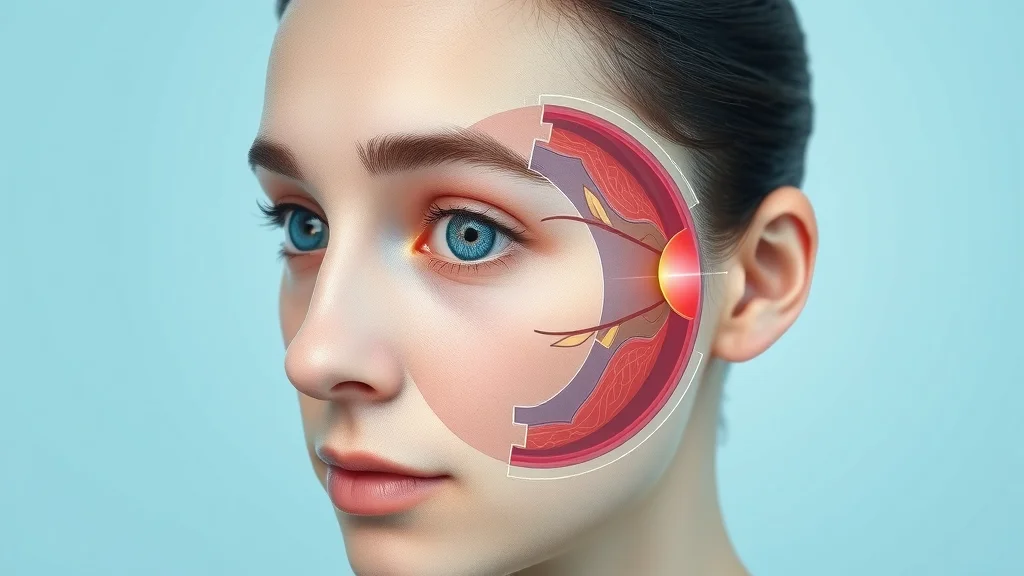
In addition to dry eyes, common eye diseases such as glaucoma, macular degeneration, and diabetic retinopathy pose serious risks to vision. Glaucoma, often called the 'silent thief of sight,' can develop without noticeable symptoms and lead to irreversible vision loss. As Dr. Croley advises, “starting around age 40, you should get your eye pressure checked annually if you have a family history to catch it early. ”
Macular degeneration primarily affects central vision and is influenced by genetics and lifestyle. Diabetic retinopathy, a complication of diabetes, damages retinal blood vessels and can cause blindness if untreated. Early detection and management through regular exams are critical to preserving eye health against these diseases.
The Importance of Regular Eye Exams for Maintaining Eye Health
"If you have an eye disease in the family, such as glaucoma, then starting around age 40, you should start going to the eye doctor every year to get your eye pressure checked because you’re at risk of developing glaucoma as well." — Dr. James E. Croley
How Often Should You Get an Eye Exam?
Frequency of eye exams depends on age, health conditions, and family history. For those with no risk factors, exams every 2-3 years until age 65 suffice, but after 65, annual visits are recommended due to higher risks of eye diseases.
Dr. Croley stresses that “if you have diabetes, you need yearly dilated eye exams to monitor for diabetic retinopathy. ” Furthermore, anyone experiencing vision changes or symptoms should seek immediate evaluation. Regular eye exams are the cornerstone of early detection and prevention of sight-threatening conditions.
Cataract Surgery and Advances in Eye Care Technology
"Cataract surgery keeps changing all the time—new advances. We just got a brand new machine that does cataract surgery about three weeks ago. There are always new advances coming out." — Dr. James E. Croley
How Technology Has Transformed Eye Care
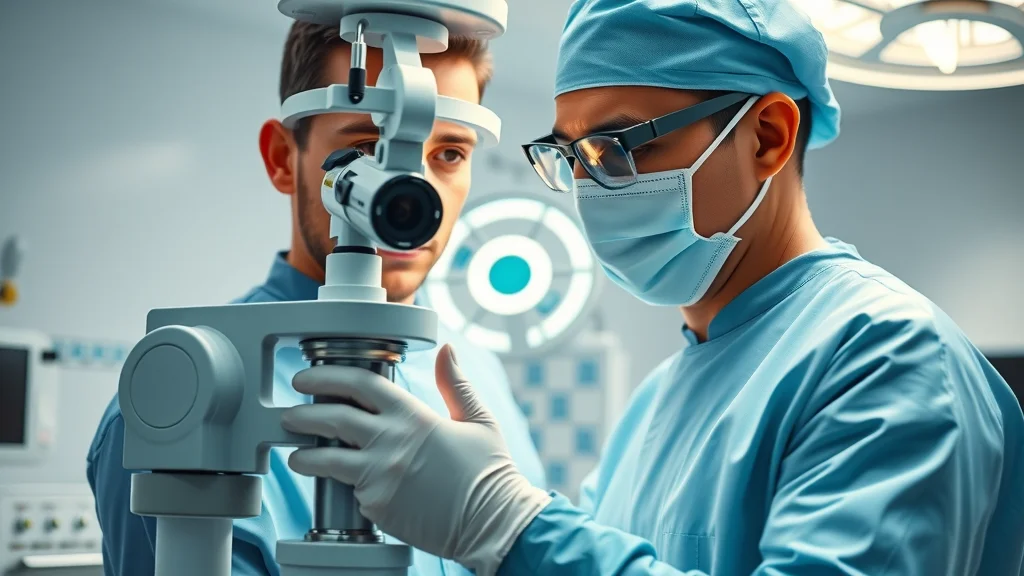
Cataract surgery has undergone revolutionary improvements, making it safer, faster, and more precise. Today’s advanced machines allow surgeons like Dr. Croley to perform procedures that restore clear vision often overnight. New intraocular lenses offer options designed to correct not only cataracts but also presbyopia and astigmatism.
High-tech diagnostic tools, including ultrasounds, lasers, and cellular-level retina scans, enable earlier and more accurate detection of eye conditions. As Dr. Croley points out, “ophthalmology is probably the most high-tech specialty” in medicine. These innovations translate to better patient outcomes and quicker recoveries.
Practical Tips for Protecting Your Eye Health Daily
Managing Digital Eye Strain and Dry Eyes

With screen use inevitable for many, protecting your eyes requires conscious effort. Regular breaks, blinking consciously, and using lubricating eye drops reduce dry eye symptoms. Ensure proper ambient lighting and maintain a comfortable distance from screens to minimize strain.
Hydration, room humidity, and ergonomic positioning also contribute to eye comfort during prolonged digital device use. Following these simple steps daily significantly improves eye health and reduces discomfort linked to digital eye strain.
Nutrition and Eye Health Supplements

Nutrition plays a vital role in maintaining healthy eyes. Leafy greens, carrots, fish rich in omega-3 fatty acids, and colorful fruits provide antioxidants that protect retinal cells from damage. For those at risk of macular degeneration, specific vitamin supplements can slow progression.
Dr. Croley recommends “a good, healthy diet and taking supplements if you have a family history of macular degeneration. ” Incorporating these foods and supplements into your daily routine supports long-term visual acuity and overall eye health.
Community Outreach and the Human Impact of Eye Care

"Some of these people come in with cataracts so bad that they’re totally blind... The next day they come to the office and they can see 20/20—and the smile on their face is pretty rewarding." — Dr. James E. Croley
Dr. Croley volunteers extensively with the Florida Lions Eye Clinic, providing sight-restoring cataract surgeries at reduced cost or free to patients without access to care. His stories reveal the transformative power of eye health interventions beyond medicine—restoring independence, dignity, and joy.
This community outreach highlights the importance of accessible eye care. Vision restoration, whether through surgery or treatment, changes lives instantly, demonstrating the profound human impact behind every eye health story.
Frequently Asked Questions About Eye Health
- What causes dry eye syndrome and how can I treat it?
- How often should I have an eye exam?
- What are the signs of glaucoma and macular degeneration?
- Is cataract surgery safe and what are the latest advancements?
- How can I protect my eyes from digital strain?
What You'll Learn in This Guide
- Key eye diseases and their symptoms
- The importance of regular eye exams
- Latest technology in cataract surgery
- Practical tips to reduce digital eye strain
- How community outreach improves vision care access
Common Eye Health Myths Debunked
Many misconceptions surround eye health, such as “reading in dim light ruins your eyes” or “you only need an eye exam if you notice vision problems. ” These myths can delay crucial care and contribute to worsening eye conditions. Regular exams detect silent diseases like glaucoma early, preventing irreversible damage. Understanding facts over fiction empowers better eye care decisions.
Key Takeaways for Maintaining Optimal Eye Health
- Schedule regular eye exams based on your age and risk factors.
- Manage screen time and use artificial tears to prevent dry eyes.
- Protect your eyes from UV rays with quality sunglasses.
- Maintain a healthy diet rich in eye-supportive nutrients.
- Seek professional care promptly if you notice vision changes.
Conclusion: Prioritize Your Vision with Expert Guidance
Take charge of your eye health today by scheduling regular exams, managing screen exposure mindfully, and embracing healthy lifestyle choices. Expert care and early intervention keep your vision clear for years to come.
People Also Ask
- How can I prevent digital eye strain?
- What are the early signs of cataracts?
- When should I start getting regular eye exams?
- Can diet really affect my eye health?
- What treatments are available for dry eye syndrome?
Take Action: Schedule Your Comprehensive Eye Exam Today
Your eyes deserve expert care — don't wait for symptoms to appear. Contact your ophthalmologist to book a thorough eye exam and protect your vision with personalized advice and state-of-the-art care.




Write A Comment