


Did you know that cataract surgery can restore a person's vision to 20/20 overnight? Advances in technology and surgical techniques are making this everyday miracle more accessible and successful than ever before. In this comprehensive guide, we explore the latest cataract surgery advancements that are reshaping the field, improving patient outcomes, and offering hope to millions worldwide.
Opening Hook: The Everyday Miracle of Cataract Surgery Advancements

Cataract surgery is often described by numbers — lens models, pressure readings, visual acuity — but at its core, it is a profoundly human experience. According to Dr. James E. Croley of the Cataract & Refraction Institute of Florida, the transformation can be nothing short of miraculous. “Some patients arrive blind from cataracts, only able to tell night from day. The next day, after surgery, they see 20/20. The smile on their face is pretty rewarding,” says Dr. Croley, who has been a cataract surgeon for over 46 years.
These cataract surgery advancements have redefined the surgical landscape, making vision restoration safer, faster, and more precise. The impact is not only medical but deeply emotional — giving patients back their independence and quality of life.
What You'll Learn: Understanding Cataract Surgery Advancements
This article unveils the evolution of cataract surgery, focusing on cutting-edge technologies such as femtosecond lasers and intraoperative aberrometry, innovations in intraocular lenses (IOLs) including multifocal, toric, and accommodating varieties, and the role of artificial intelligence in improving surgical precision. We also highlight expert insights from Dr. Croley, discuss maintaining eye health before and after surgery, and answer frequently asked questions about the most recent cataract treatment options in 2025.
Overview of Cataract Surgery and Its Evolution
From Natural Lens Removal to Advanced Techniques
Cataract surgery has a rich history, evolving from crude procedures to highly sophisticated ones. Initially, surgeons removed the clouded natural lens manually, often requiring large incisions and resulting in extended recovery times. Today’s surgeries are performed through small incisions using phacoemulsification — ultrasonic energy that emulsifies the cataract so it can be suctioned out easily.
Dr. Croley recounts the changes he has witnessed: “When I began, I performed extensive orbital surgeries, including tumor removals and bone cutting. Now, the focus has sharpened primarily on cataracts, glaucoma, and eyelid surgeries. ” This specialization has allowed surgeons to refine techniques and improve outcomes specifically for cataract patients, leveraging less invasive approaches with quicker visual recovery.
The evolution reflects a steady shift toward precision, safety, and patient-centered care, made possible by leaps in technology and clinical research.
Cutting-Edge Technologies Driving Cataract Surgery Advancements
Femtosecond Laser: Precision and Safety in Cataract Surgery
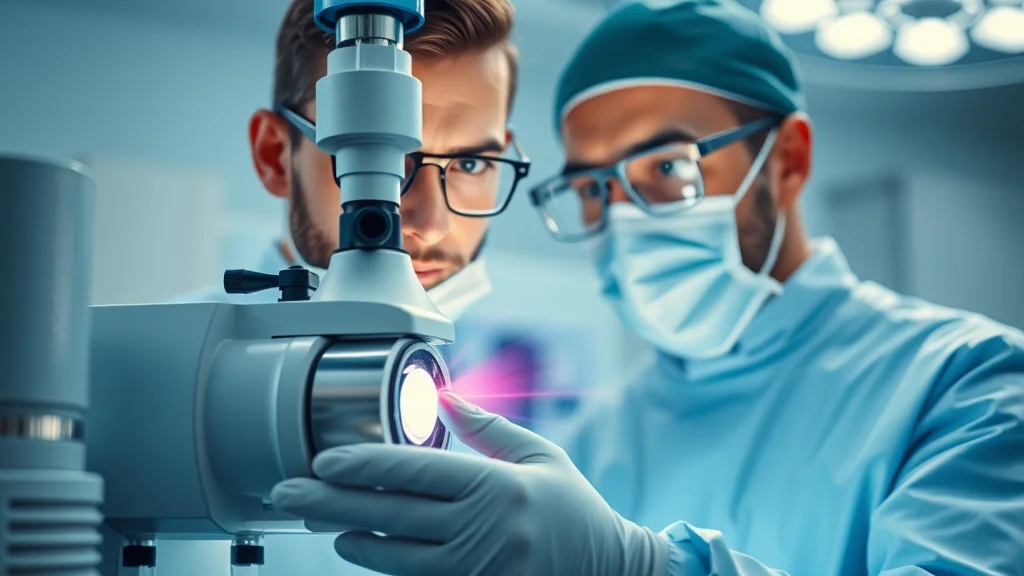
One of the most transformative cataract surgery advancements is the introduction of femtosecond laser technology. This laser enables surgeons to perform precise corneal incisions, anterior capsulotomies, and lens fragmentation with unmatched accuracy. Unlike traditional manual techniques, the laser reduces variability and can enhance safety by minimizing mechanical contact inside the eye.
“We just acquired a brand new cataract surgery machine that incorporates femtosecond laser capabilities,” Dr. Croley shares. “It’s always advancing — making surgery more predictable and quicker. ” The laser allows for customization tailored to each patient’s eye anatomy, optimizing surgical results and improving the overall visual outcome.
Intraoperative Aberrometry: Enhancing Surgical Accuracy
Intraoperative aberrometry is another vital tool revolutionizing cataract surgery. It provides real-time measurements of refractive errors during surgery, helping surgeons select the perfect lens power and position for each patient. This technology significantly improves the precision of intraocular lens (IOL) placement, reducing the dependence on glasses or contacts after surgery.
By using intraoperative aberrometry, surgeons maximize the chances of patients achieving crisp, clear vision immediately post-op. This is a major leap forward from previous methods that relied heavily on preoperative calculations and standard lenses without real-time intraoperative feedback.
Innovations in Intraocular Lenses (IOLs)
Multifocal and Toric IOLs: Customized Vision Correction
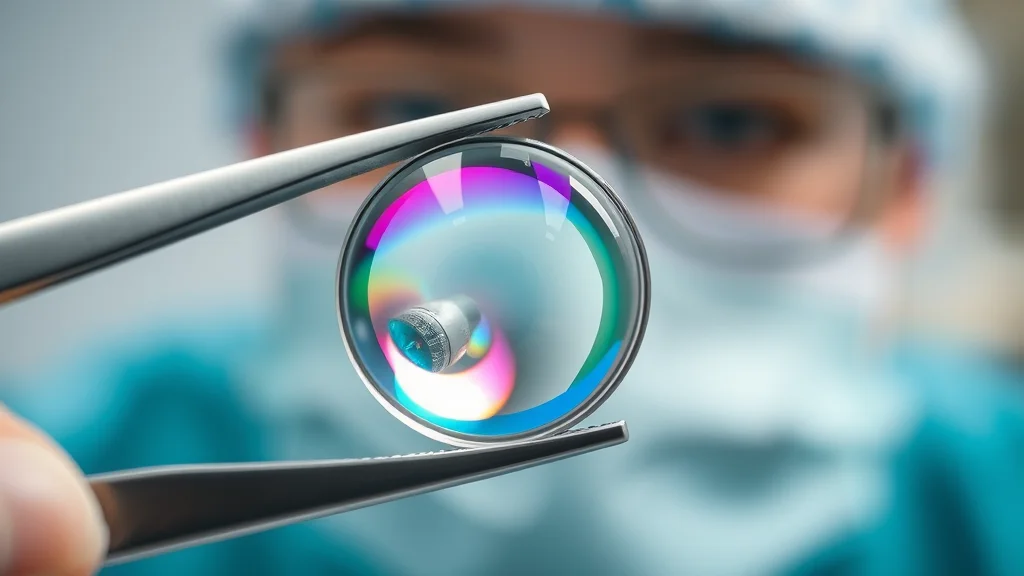
The advent of multifocal and toric IOLs has democratized vision correction during cataract surgery. Multifocal IOLs provide patients with clear vision at multiple distances — near, intermediate, and far — significantly reducing or eliminating the need for glasses. Toric IOLs address astigmatism by correcting irregular corneal curvature, enhancing visual clarity in patients who traditionally needed additional corrective lenses.
Dr. Croley emphasizes, “These customized IOLs allow us to tailor the surgery to each patient’s unique vision needs, making cataract surgery also a refractive procedure. ” The availability of various IOL options means patients can now choose lenses best suited for their lifestyle and visual preferences, improving satisfaction and quality of life.
Accommodating IOLs: Mimicking the Natural Lens
Accommodating IOLs represent a sophisticated innovation aimed at mimicking the natural focusing ability of the eye’s lens. Unlike fixed-focus lenses, these implants move slightly or change shape inside the eye, allowing the patient to see clearly at varying distances with less dependency on glasses.
While still evolving, accommodating IOLs promise to replicate the dynamic focusing power of a young eye’s natural lens. They are an exciting part of the ongoing revolution in cataract surgery advancements and represent a future direction where surgical correction rivals natural vision.
The Role of Artificial Intelligence in Cataract Surgery Advancements

Artificial intelligence (AI) is emerging as a potent force in ophthalmology, reshaping diagnostics and treatment planning. AI algorithms analyze vast amounts of data from ocular imaging — including optical coherence tomography (OCT) and retinal scans — enabling precise detection of subtle abnormalities and personalized surgical plans.
Dr. Croley notes, “AI and digital tools are increasingly integrated into cataract surgery, providing better visualization and predictive analytics that enhance outcomes. These technologies help surgeons plan lens power and placement with unprecedented accuracy. ” AI ultimately supports not only improved surgical precision but also faster recovery and patient satisfaction.
Expert Insights: Dr. James E. Croley on the Future of Cataract Surgery
“Cataract surgery keeps changing all the time—new advances, new intraocular lenses, and better machines. It’s always advancing. It’s never stationary.” — Dr. James E. Croley, Cataract & Refraction Institute of Florida
Drawing on over four decades of experience, Dr. Croley illustrates how continuous innovation has become the hallmark of modern cataract surgery. His approach balances cutting-edge technology with compassionate care, emphasizing that advancements serve the ultimate goal: to restore vision and improve lives routinely.
Maintaining Eye Health Before and After Cataract Surgery

Proper eye health plays a pivotal role in the success of cataract surgery. Dr. Croley recommends a healthy lifestyle including a nutrient-rich diet and diligent sun protection using sunglasses. These habits support eye tissue integrity and can slow down degenerative changes that affect vision.
After surgery, patients are advised to follow prescribed care to reduce inflammation and protect the eye during healing. Regular follow-ups ensure the intraocular lens remains optimally positioned and your vision remains sharp. Taking breaks during prolonged screen use and using lubricating eye drops help maintain comfort and eye surface health.
Common Questions About Cataract Surgery Advancements
What are the latest advancements in cataract surgery?
The latest advancements include femtosecond laser-assisted cataract surgery, intraoperative aberrometry for precise lens placement, innovative multifocal and toric IOLs for customized vision, and the integration of AI for optimized diagnostics and surgical planning.
What is the new cataract treatment in 2025?
In 2025, cataract treatment continues to leverage femtosecond laser technology combined with enhanced AI-driven diagnostics, along with improved accommodating IOLs that better mimic the eye’s natural focusing ability, providing patients with enhanced visual outcomes.
What is the most advanced technique for cataract surgery?
Femtosecond laser-assisted cataract surgery remains the most advanced technique, offering precise corneal incisions, lens fragmentation, and capsulotomy. When combined with intraoperative aberrometry and AI support, it represents the peak of surgical accuracy and patient safety.
What is the best cataract lens in 2025?
The best cataract lens varies by patient needs but multifocal, toric, and accommodating IOLs are leading candidates in 2025. They provide tailored solutions correcting presbyopia and astigmatism, significantly reducing dependence on glasses post-surgery.
Tables: Comparison of Intraocular Lens Types
| Lens Type | Vision Correction | Cost | Patient Suitability |
|---|---|---|---|
| Monofocal IOL | Corrects vision at one distance (usually far) | Low | Patients content with wearing glasses for near tasks |
| Multifocal IOL | Corrects near, intermediate, and far vision | High | Active patients wanting glasses independence |
| Toric IOL | Corrects astigmatism and distance vision | Moderate to High | Patients with significant astigmatism |
| Accommodating IOL | Shifts to focus at multiple distances, mimics natural lens | High | Patients desiring more natural dynamic vision |
Key Takeaways
- Cataract surgery advancements have dramatically improved precision and patient outcomes.
- Femtosecond laser and intraoperative aberrometry are revolutionizing surgical techniques.
- Innovative intraocular lenses provide customized vision correction options.
- Artificial intelligence is shaping the future of cataract surgery.
- Regular eye exams and healthy habits support long-term eye health.
Conclusion: Embracing the Future of Cataract Surgery Advancements
For anyone facing cataract surgery, embracing these technological advancements can mean quicker recovery, sharper vision, and a better quality of life. Consult your ophthalmologist about the latest available options to experience the benefits firsthand.
Call to Action
If you or a loved one are considering cataract surgery, don’t wait to restore your vision. Contact the Cataract & Refraction Institute of Florida today for a consultation with experts like Dr. James E. Croley and learn about the latest cataract surgery advancements tailored to your needs.




Write A Comment