


Did you know that dry eye syndrome is the most common eye disease in the United States today? In our digital age, where screens dominate daily life, this modern epidemic affects millions, causing discomfort and vision challenges. This article dives deep into the causes, symptoms, and cutting-edge treatments for dry eye syndrome, illuminated by expert insights from Dr. James E. Croley of the Cataract & Refraction Institute of Florida.
Startling Facts About Dry Eye Syndrome: A Modern Epidemic
In an era where digital devices are nearly omnipresent in workspaces and homes, dry eye syndrome has risen dramatically as a common ailment. Screen use reduces blinking frequency, leading to insufficient lubrication on the ocular surface. This persistent dryness can escalate from minor irritation to significant discomfort and vision disturbances.
Dr. James E. Croley explains, "Dry eye syndrome is the most common eye disease in America today because we’re all glued to a flat screen of some size or shape, and we spend hours a day staring at it. When you do that, you don’t blink—or you slow down your blinking—and it dries your eyes out. " His decades of experience spotlight how lifestyle shifts contribute to this condition’s prevalence.

What is Dry Eye Syndrome? Defining the Eye Disease
Symptoms of Dry Eye Syndrome
Dry eye syndrome manifests through a constellation of uncomfortable symptoms. Patients often experience persistent eye dryness, redness, irritation, a gritty or burning sensation, and sometimes paradoxical tearing due to overcompensation. Blurred vision and sensitivity to light can also occur, impacting daily activities like reading or using digital devices.
Recognizing these symptoms early is vital. Left unmanaged, dry eyes can lead to damage on the ocular surface and impair vision quality, underscoring the importance of timely diagnosis and treatment.
Causes and Risk Factors of Dry Eye Disease
This eye condition stems from either insufficient tear production or excessive tear evaporation. Contributing factors include prolonged screen use, aging, hormonal changes, certain medications, environmental conditions, and underlying health disorders like autoimmune diseases.
Today’s prevalent cause, as highlighted by Dr. Croley, relates directly to our screen-centric lifestyles. The decreased blink rate in front of digital devices reduces tear film stability, increasing tear evaporation and leading to dry eye disease.
How Dry Eye Syndrome is Diagnosed: Key Diagnostic Tools
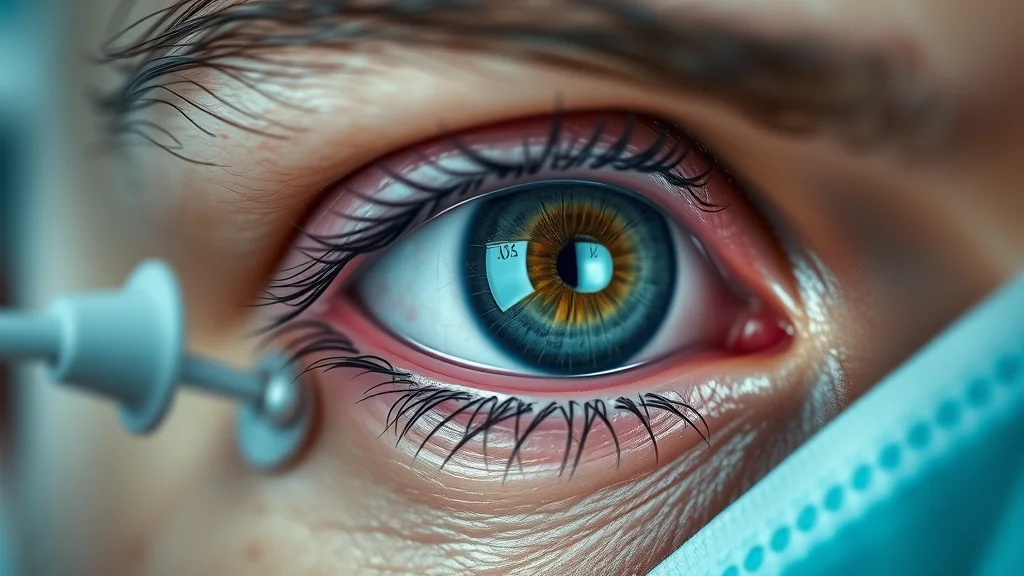
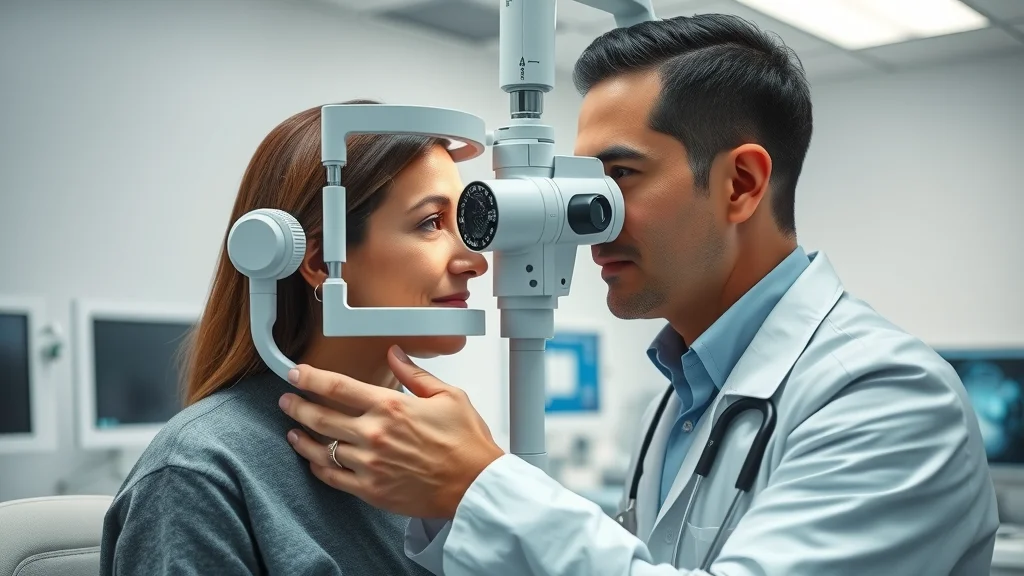
Diagnosing dry eye syndrome involves evaluating tear quantity and quality, eye surface health, and gland function. Ophthalmologists use advanced instruments such as tear break-up time tests, Schirmer’s test, meibomian gland evaluation, and ocular surface staining.
According to Dr. Croley, "We have all kinds of different equipment. Machines that measure your side vision. Machines that scan your retina or optic nerve for any kind of damage down to the cell level, actually. We have ultrasounds. We have lasers. Ophthalmology is probably the most high-tech specialty of any of them. "
The Role of Tear Production in Dry Eye Disease
A healthy tear film is critical for maintaining ocular comfort and clear vision. Tear production comes primarily from the lacrimal glands and is supported by the meibomian glands, which secrete oils to prevent evaporation. Dysfunction in these glands leads to imbalance in tear quantity or quality, culminating in dry eye syndrome.
Ensuring an adequate and stable tear film helps protect the eye’s surface, creating a smooth refractive surface for optimal vision. Treatments often target restoring this delicate balance.
Modern Solutions and Treatments for Dry Eye Syndrome
Lifestyle Changes to Manage Dry Eyes
Tackling dry eye syndrome effectively begins with simple yet impactful lifestyle adjustments. Reducing continuous screen exposure, taking regular breaks following the 20-20-20 rule (looking 20 feet away for 20 seconds every 20 minutes), improving indoor humidity, and avoiding direct airflow from fans or air conditioners can relieve symptoms.
Furthermore, Dr. Croley advises, "If you’re going to do a lot of screen time, take a break and put artificial tears in your eyes to keep your eyes lubricated. " These preservative-free lubricating eye drops help supplement natural tears and soothe irritated eyes during periods of increased strain.

Expert Insights: Dr. James E. Croley on Dry Eye Syndrome
“Dry eye syndrome is the most common eye disease in America today because we’re all glued to a flat screen of some size or shape, and we spend hours a day staring at it. When you do that, you don’t blink—or you slow down your blinking—and it dries your eyes out. ” — Dr. James E. Croley, Cataract & Refraction Institute
Dr. Croley’s extensive career offers a wealth of experience from advanced diagnostics to surgical interventions. He highlights the importance of environment and patient education, underscoring that awareness and preventative measures can significantly reduce the impact of dry eye disease.
Preventing Dry Eye Syndrome: Tips for Maintaining Eye Health
Prevention is always better than cure. To protect your eyes from dry eye syndrome, maintain a balanced diet rich in omega-3 fatty acids, stay hydrated, and wear UV-protective sunglasses outdoors. Regular eye exams are vital to detect early signs of eye issues that might contribute to dryness.
Physical activity and regular outdoor exposure also promote good eye health. Engaging in these habits strengthens the eye's resilience and helps maintain a healthy ocular surface.

When to See an Eye Specialist
Consult an eye care professional if you experience persistent dryness, redness, burning, or vision changes. Early intervention can prevent complications. People over 40, those with family history of glaucoma or macular degeneration, and individuals with autoimmune conditions should schedule routine eye exams as recommended.
Dr. Croley emphasizes, “If you have trouble with vision, you should have that checked. ” Regular checkups help in early identification and treatment adjustment for dry eye syndrome and other eye diseases.
Common Questions About Dry Eye Syndrome
What is the best treatment for dry eyes?
The best treatment depends on the underlying cause. Generally, artificial tears, lifestyle modifications, and managing contributing factors such as screen time are effective first steps. Severe cases may require prescription medications, punctal plugs, or therapeutic procedures.
Will dry eyes go away?
Dry eye syndrome may be chronic, but with proper care and treatment, symptoms can be significantly reduced or managed. Timely intervention and lifestyle changes can improve eye comfort and prevent progression.
What is the major cause of dry eye syndrome?
Prolonged screen time leading to reduced blinking is a major modern cause, compounded by aging, environmental factors, medications, and health conditions that impact tear production or quality.
What is the best lubricant for dry eyes?
Preservative-free artificial tears are generally recommended to lubricate dry eyes safely without irritation. Some patients benefit from gels or ointments at night for longer-lasting relief.
Key Takeaways on Dry Eye Syndrome
- Dry eye syndrome is the most common eye disease in the U.S., largely due to increased screen time.
- Symptoms include dryness, irritation, blurred vision, and light sensitivity.
- Diagnosis involves advanced eye tests measuring tear production and eye surface health.
- Treatment ranges from lifestyle changes to medical interventions.
- Regular eye exams and protective habits are essential for prevention.
Conclusion: Embracing Modern Solutions for Dry Eye Syndrome
By understanding the causes and adopting modern solutions—from lifestyle changes to advanced treatments—you can protect your vision and find relief from dry eye syndrome.
Take Action: Protect Your Vision Today
Limit screen time, practice healthy eye habits, and schedule regular consultations with an eye specialist to maintain eye comfort and long-term vision health.



Write A Comment