
Add Row
Add Element
cropper
update
Cape Coral Home Improvement
update
Add Element
  • Home
  • Categories
    • Home
    • Improvement
    • Style
    • Upgrades
    • Design
    • Renovation
    • Creativity
    • RealEstate
    • SmartTech
    • CapeCoral
  • Landscaping
  • Roofing
  • All Posts
  • Home
  • Improvement
  • Style
  • Upgrades
  • Design
  • Renovation
  • Creativity
  • RealEstate
  • SmartTech
  • CapeCoral
  • Landscaping
  • Roofing
  • Extra News
February 25.2026
1 Minute Read

Expert Perspectives: The Future of Cataract Surgery and Intraocular Lens Technology

Did you know? Cataract surgery, one of the most commonly performed surgeries worldwide, is undergoing revolutionary changes that promise clearer vision, faster recovery, and personalized care like never before. The future of cataract surgery is not just about better technology—it’s about transforming the patient experience and clinical outcomes. Acclaimed ophthalmologist Dr. James E. Croley shares his expert insights on emerging trends that are shaping this promising horizon.

Startling Advances in the Future of Cataract Surgery

The realm of cataract surgery is evolving rapidly, driven by continuous innovations in surgical machinery, lens technology, and diagnostic tools. Dr. James E. Croley from the Cataract & Refraction Institute of Florida highlights how these advances are shaping a future where patients can regain optimal vision with increased safety, precision, and comfort.

From new cutting-edge machines that enhance surgical precision to improved intraocular lenses (IOLs) that adapt to unique patient needs, today’s cataract surgery is vastly different from decades ago. One notable revolution is the development of adjustable and light adjustable lenses which offer unprecedented customization, allowing fine-tuning of vision even after surgery. These innovations promise to improve not only the quality but also the longevity of surgical outcomes.

However, as Dr. Croley explains, the core objective remains unchanged: restoring sight remains “a kind of everyday miracle. ” His voice carries the confidence of nearly five decades of experience, emphasizing that while the tools advance, the commitment to patient care and clear vision is constant.

Inspirational elderly patient with clear youthful eyes after cataract surgery, depicting future of cataract surgery

Overview of Cataract Surgery: Past, Present, and Future

The Role of Intraocular Lenses in Modern Cataract Surgery

Cataract surgery has long depended on the replacement of the natural eye lens with an intraocular lens (IOL). These artificial lenses have evolved remarkably from monofocal designs, offering a fixed focal point, to multifocal and toric variants addressing presbyopia and astigmatism. Today, IOLs not only restore clarity but can reduce dependence on glasses.

Dr. Croley notes the pivotal role IOLs play: “We have new intraocular lenses coming out all the time. It’s always advancing. It’s never stationary. ” The selection of the right lens is tailored individually, considering each patient's lifestyle and visual goals, to optimize the surgical outcome.

Emergence of Adjustable and Light Adjustable Lenses

The most groundbreaking development in lens technology is emerging in the form of adjustable and light adjustable lenses. These lenses allow surgeons and patients to fine-tune vision post-operatively using non-invasive methods, such as controlled UV light adjustments that refine the lens shape and power.

This capability is transforming cataract surgery from a “one-shot” procedure into a dynamic process that can adapt to subtle changes in patient vision needs over time. Such technologies have demonstrated improvements in patient satisfaction and visual quality, heralding a new standard in personalized eye care.

Futuristic intraocular lens with sleek design illustrating advanced lens technology in future of cataract surgery

Technological Innovations Shaping the Future of Cataract Surgery

Artificial Intelligence and Machine Learning in Eye Care

The integration of artificial intelligence (AI) and machine learning is revolutionizing the diagnosis and treatment of eye diseases, including cataracts. AI algorithms process vast datasets from imaging scans to identify subtle retinal or optic nerve damage, enabling earlier intervention.

Dr. Croley remarks, “Ophthalmology is probably the most high-tech specialty of any of them,” emphasizing the use of AI-assisted diagnostic tools that enhance precision. These technologies facilitate customized surgical planning and real-time decision-making, thus improving outcomes while minimizing risks.

Ophthalmologist using AI interface on diagnostic screen to enhance eye care and cataract surgery outcomes

Improving Sustainability in Cataract Surgery Practices

Modern cataract surgery practices are also embracing sustainability. From energy-efficient operating rooms to recyclable materials and minimizing medical waste, eye care providers are committed to reducing environmental impact without compromising care quality.

Cutting-edge facilities incorporate green technologies and sustainable protocols, aligning medical advancement with ecological responsibility. This holistic approach addresses both patient health and planetary wellness, reflecting an evolving ethical standard within ophthalmology.
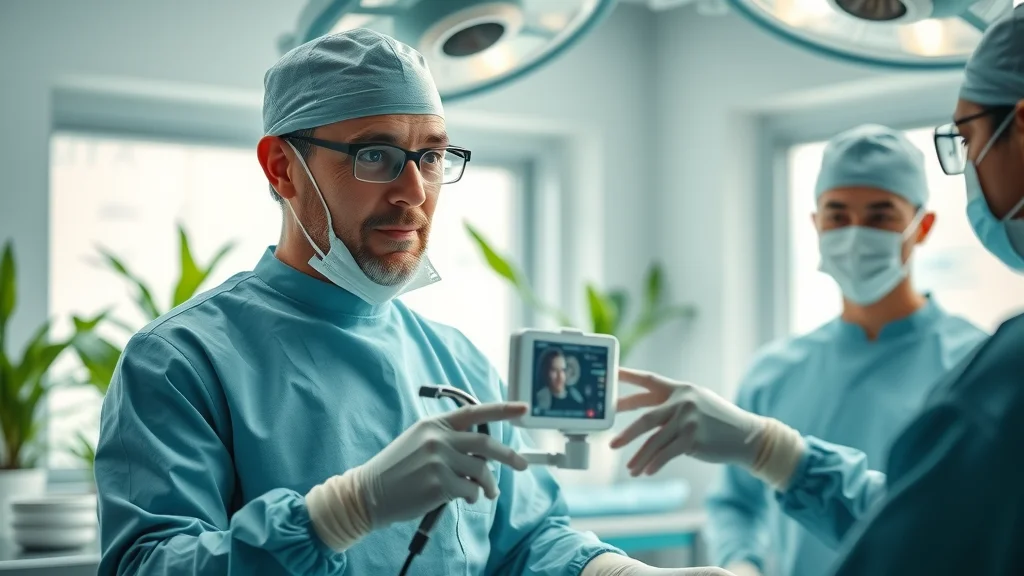
Modern ophthalmology operating room focusing on sustainability and using AI-assisted devices

Expert Insights: Dr. James E. Croley on the Future of Cataract Surgery

“Cataract surgery keeps changing all the time—new advances. We just got a brand new machine that does cataract surgery about three weeks ago. There are always new advances coming out. It’s always advancing. It’s never stationary.” — Dr. James E. Croley, Cataract & Refraction Institute

The Human Element in Technological Progress

While technology propels cataract surgery forward, Dr. Croley insists the human touch remains paramount. "It’s not just about machines and lenses but how we help people see again,” he reflects. Ensuring patients feel comfortable, informed, and cared for is as vital as surgical precision.

This approach is reflected in the welcoming atmosphere Dr. Croley fosters in his practice, with thoughtfully designed patient rooms and educational resources, helping to reduce anxiety and promote understanding throughout the surgical journey.

Compassionate ophthalmologist consulting elderly patient in clinic, reflecting human element in future of cataract surgery

Common Questions About the Future of Cataract Surgery

What is the future of cataract surgery?

The future of cataract surgery lies in enhanced precision, personalized intraocular lenses, and integration with artificial intelligence. Surgeons are empowered with better diagnostics and adaptive lenses that refine vision postoperatively, improving outcomes and patient satisfaction.

How is cataract surgery done in 2026?

By 2026, cataract surgery will increasingly leverage robotic systems and AI assistance to perform minimally invasive, highly precise procedures. Surgeons will use advanced imaging and customization tools to select lenses and plan surgeries, reducing complications and recovery time.

Robotic cataract surgery system with precise mechanical arms in futuristic operating theater

What are the new cataract lenses for 2026?

New cataract lenses expected in 2026 include light adjustable lenses and next-generation multifocal lenses that better mimic natural lens functionality. These lenses enable postoperative customization, allowing adjustments for optimal vision clarity and reduced need for glasses.

What is the new eye surgery for 2026?

Looking into 2026, innovations such as laser-assisted cataract procedures with AI-enhanced precision and bioengineered lens implants are on the horizon. These advancements aim at improving safety, efficiency, and long-term visual outcomes.

Tables: Comparative Overview of Intraocular Lens Technologies

Lens Type

Key Features

Benefits

Patient Outcomes

Traditional Artificial Lenses

Fixed focus, monofocal

Affordable, proven

Good vision at one distance, may need glasses

Adjustable Lenses

Postoperative adjustable power

Customized vision correction after surgery

Higher patient satisfaction, less dependency on glasses

Light Adjustable Lenses

UV light tunable lens shape and power

Non-invasive fine-tuning of vision

Precision vision correction, better intermediate and near vision

Key Takeaways on the Future of Cataract Surgery

  • Cataract surgery technology is rapidly evolving with new machines and lenses.

  • Adjustable and light adjustable lenses offer personalized vision correction.

  • Artificial intelligence is enhancing diagnostic and surgical precision.

  • Patient comfort and education remain essential despite technological advances.

  • Regular eye exams and early detection are critical for successful outcomes.

Conclusion: Embracing Innovation with a Patient-Centered Approach

Embracing the future of cataract surgery means combining high-tech advances with compassionate, personalized care — ensuring every patient receives clearer vision and renewed confidence.

People Also Ask

What is the future of cataract surgery?

The future encompasses precision surgery with AI guidance, adjustable lenses for tailored vision, and faster, safer procedures.

How is cataract surgery done in 2025?

Surgery in 2025 will likely use robotic assistance and advanced imaging to enhance safety and precision.

What are the new cataract lenses for 2025?

New lenses include light adjustable types allowing postoperative customization to improve visual outcomes.

What is the new eye surgery for 2026?

Emerging techniques will focus on laser-assisted methods combined with AI and bioengineered lens implants.

Call to Action

Take control of your eye health today by scheduling a comprehensive eye exam. Stay informed about the latest cataract surgery advances and speak to an experienced ophthalmologist like Dr. James E. Croley to explore personalized vision solutions.

What You'll Learn

  • The latest trends and innovations in cataract surgery and intraocular lens technology.

  • How AI and adjustable lenses are transforming patient outcomes.

  • Why patient comfort and individualized care are crucial in modern eye surgery.

Sources

  • Cataract & Refraction Institute Of Florida - Official Site

  • American Academy of Ophthalmology

  • National Center for Biotechnology Information (NCBI)

Extra News

0 Views

0 Comments

Write A Comment

*
*
Related Posts All Posts
02.25.2026

Community Impact: How Ophthalmologists Like Dr. Croley Are Expanding Access to Vision Care

Did you know that millions of Americans suffer from untreated vision problems due to lack of access to care? This startling fact underscores the critical role that ophthalmology community outreach plays in restoring sight and improving quality of life. In this article, we explore how dedicated ophthalmologists like Dr. James E. Croley of the Cataract & Refraction Institute of Florida are expanding access to vision care through volunteer work and charitable clinics, making the promise of clear sight a reality for underserved populations. The true magic of ophthalmology lies not only in cutting-edge technology but in its ability to transform lives overnight. Through community outreach, vision becomes more than a medical measurement—it becomes a renewed opportunity to engage with the world. Opening Hook: The Transformative Power of Ophthalmology Community Outreach Startling Facts About Vision Loss and Access to Care Vision loss affects millions globally and increasingly many within underserved communities suffer without proper treatment. The biggest barrier? Access — whether financial, geographic, or informational. This gap leads to preventable blindness and irreversible eye disease. The American community confronts several pressing eye health issues. Many are unaware that conditions like glaucoma and dry eye syndrome can progress silently. Regular eye exams and screenings, critical components of early detection, remain out of reach for many. Community outreach programs provide a bridge, delivering essential screening and treatment services directly to those most in need. As Dr. James E. Croley emphasizes, "The Lions Club takes care of patients who have no insurance or access to health care. When you do their cataract surgery, the next day they can see 20/20 — and the smile on their face is pretty rewarding. " What You'll Learn: The Role of Ophthalmology Community Outreach in Enhancing Community Health This article will provide an in-depth understanding of how ophthalmology community outreach programs improve access to eye care, promote early detection of eye diseases, educate populations, and foster greater community health and engagement through collaborative efforts. Understanding Ophthalmology Community Outreach and Its Importance Defining Community Outreach in Ophthalmology Ophthalmology community outreach refers to organized efforts by eye care professionals and institutions to provide vision screenings, education, and treatment services beyond traditional clinical settings. These programs target populations who face barriers to accessing care due to economic, geographic, or social factors. Such outreach is vital because it extends the reach of eye health services, tackles disparities, and promotes early diagnosis and intervention — improving individual outcomes and reducing overall healthcare burdens. The Department of Ophthalmology’s Role in Community Vision Departments within hospitals and eye institutes often partner with charities and community organizations to spearhead outreach initiatives. They provide expertise, screening equipment, and surgical services that are otherwise inaccessible to vulnerable groups. These collaborations enhance population eye health by identifying conditions such as cataracts, glaucoma, and diabetic retinopathy early. This proactive approach is essential in preventing vision loss that would otherwise go unnoticed and untreated. Vision Screening and Community Health: Key Components of Outreach How Vision Screenings Detect Eye Disease Early Vision screenings conducted through community outreach are critical for early detection of eye diseases. Simple tests can reveal symptoms of glaucoma, cataracts, or retinal issues even before patients experience discomfort or noticeable vision loss. Early diagnosis allows for timely treatment, which can prevent progression to blindness. For example, measuring eye pressure can identify glaucoma, a silent yet sight-threatening disease. These screenings act as the frontline defense against debilitating eye conditions. Community Health Benefits from Regular Vision Screenings Regular vision screenings improve individual and public health outcomes by reducing the burden of undiagnosed eye disease. Early treatment preserves independence, reduces falls, and enhances quality of life, especially among elderly and diabetic populations. Screenings also serve as educational moments where patients learn about eye care best practices, lifestyle modifications, and the importance of follow-up exams. This holistic approach fosters a culture of health awareness in communities. Expert Insights: Dr. James E. Croley on the Impact of Ophthalmology Community Outreach Dr. James E. Croley, of the Cataract & Refraction Institute, explains, "The Lions Club takes care of patients who have no insurance or access to health care. When you do their cataract surgery, the next day they can see 20/20 — and the smile on their face is pretty rewarding." Dr. Croley’s Commitment to Charity and Community Vision Dr. Croley exemplifies the power of community-based ophthalmology outreach through his dedicated volunteer work at the Florida Lions Eye Clinic. There, patients who cannot afford surgery receive life-changing cataract operations often at half price or free. His commitment extends beyond individual patients to advocacy and organizational leadership, reflecting a career-long dedication to improving vision care access. Dr. Croley’s experiences highlight how focused outreach nurtures trust and generates meaningful outcomes. How Community Outreach Bridges Gaps in Eye Care Access Community outreach programs effectively bridge gaps in healthcare by providing access where standard systems fall short. Patients who might otherwise remain undiagnosed or untreated receive screenings, education, and treatment that restore their vision and independence. These initiatives also address socioeconomic factors, eliminating financial and logistical barriers. By partnering with local organizations and charities, ophthalmologists can reach remote or marginalized populations, enhancing the overall community health fabric. Common Eye Diseases Addressed Through Community Outreach Dry Eye Syndrome and Its Modern Origins Dry eye syndrome is the most common eye disease in America, caused primarily by modern lifestyle factors such as prolonged screen use. People staring at computers and phones unknowingly reduce their blink rate, leading to dry, irritated eyes that can impair vision comfort and quality. Community outreach educates populations on preventive measures like taking breaks and using artificial tears. Early recognition of symptoms prevents complications and encourages healthier habits, crucial in our digitally saturated lives. Glaucoma: The Silent Threat and Importance of Early Detection Glaucoma is often called the "silent thief of sight" because it progresses without symptoms until significant vision loss occurs. It is a leading cause of irreversible blindness. Through community vision screenings, ophthalmologists can detect elevated eye pressure and optic nerve changes early. This timely intervention allows for treatment that slows disease progression, highlighting the life-changing impact of accessible outreach. Best Practices for Effective Ophthalmology Community Outreach Programs Creating Welcoming Environments for Patients Successful outreach begins with patients feeling comfortable and valued. Clinics like Dr. Croley’s feature welcoming atmospheres with personalized touches—rooms named instead of numbered, educational videos, and attentive staff that answer all questions patiently. This approach reduces anxiety and builds trust, encouraging participation in vision screenings and follow-up care. A warm environment is as critical to healing as advanced medical technology. Incorporating Education and Technology in Outreach Education empowers individuals to take control of eye health. Outreach programs blend up-to-date technology—retinal scans, side vision tests, advanced cataract surgery machines—with patient-centric education to maximize impact. By demonstrating new diagnostic techniques and explaining their importance, professionals foster engagement and demystify eye care, leading to better adherence to treatment and prevention strategies. Collaborations with Local Organizations and Charities Partnerships multiply outreach effectiveness. Working with groups such as the Lions Club or local health organizations ensures broader reach, pooling resources and expertise to serve underserved communities efficiently. These collaborations create sustainable programs capable of offering repeated screenings, treatment, and education while building a network of care and support within the community. Common Misconceptions About Community Vision and Eye Care Myth: Eye Exams Are Only Necessary When Symptoms Appear A dangerous misconception is that eye care is only required upon experiencing symptoms. Diseases like glaucoma and diabetic retinopathy often progress silently without pain or vision changes until advanced stages. Fact: Regular Exams Prevent Progression of Eye Disease Routine eye exams detect early damage, allowing for interventions that preserve sight and prevent disability. Regular screenings through community outreach catch these diseases before symptoms begin, making regular eye exams essential for all ages, especially those with risk factors. Actionable Tips for Supporting Ophthalmology Community Outreach Volunteer or donate to local eye care charities and clinics Promote awareness about the importance of regular eye exams Encourage community members to participate in vision screenings Support policies that increase access to affordable eye care People Also Ask: Common Questions About Ophthalmology Community Outreach What is ophthalmology community outreach? It is the effort by eye health professionals to bring vision care services, education, and screenings into communities, especially those underserved or with limited access to care. How do vision screenings help prevent eye disease? Vision screenings detect eye diseases early, often before symptoms appear, enabling timely treatment that prevents progression and vision loss. Why is community health important in eye care? Community health initiatives ensure populations benefit from preventive care, education, and access, reducing disparities and improving overall eye health outcomes. How can I get involved in community vision programs? You can volunteer, donate to local eye clinics, advocate for expanded access, or participate in vision screening events to support community eye health. Key Takeaways: The Lasting Impact of Ophthalmology Community Outreach Benefit Description Example Improved Access Provides eye care to underserved populations Florida Lions Eye Clinic surgeries Early Detection Identifies eye diseases before symptoms appear Community vision screenings Patient Education Informs about eye health and preventive care Educational materials in clinics Community Engagement Builds trust and awareness in local populations Outreach events and talks Conclusion: The Future of Ophthalmology Community Outreach Dr. James E. Croley emphasizes, "Ophthalmology is always advancing, but the heart of it remains helping people see better and live better. Community outreach is where that promise becomes real for many." By supporting and expanding outreach, we bring sight-saving care to those who need it most, fostering healthier communities and brighter futures. Call to Action: Join the Movement to Expand Vision Care Access Support local ophthalmology outreach programs Schedule regular eye exams for yourself and loved ones Spread awareness about the importance of eye health Consider volunteering or donating to vision care charities Sources National Eye Institute - Vision Health Statistics American Academy of Ophthalmology - Community Outreach Lions Clubs International - Vision Programs

02.24.2026

The Role of On-Site Optical Care Centers in Comprehensive Eye Health

Did you know that nearly 75% of adults experience some form of vision impairment during their lifetime?optical care center plays a vital role in ensuring individuals receive not only timely diagnosis but also affordable vision correction solutions at a single convenient location. From routine eye exams to offering name brand contact lenses and stylish frames, these centers provide a multifaceted approach that is essential for maintaining optimal eye health across communities. In this article, we dive into the multiple ways an optical care center integrates advanced eye care services and personalized patient programs to improve vision and enhance overall eye wellness. Backed by expert insights from Dr. James E. Croley III of the Cataracts & Refractive Institute of Florida, we explore why choosing a center with on-site optical services is a crucial step in your eye health journey. Startling Facts About Optical Care Centers and Eye Health Many people underestimate the role of an optical care center in preventing serious eye conditions. Across the United States, eye diseases such as glaucoma, cataracts, and astigmatism silently affect millions without early detection. Optical care centers serve as frontline hubs for comprehensive eye exams that identify these issues before they progress. Moreover, the convenience of having on-site services like affordable frames and name brand contact lenses improves patient compliance with prescribed vision correction. According to Dr. James E. Croley III, “Our optical care center provides affordable frames and name brand contacts, ensuring patients receive comprehensive eye care in one convenient location. ” This integration not only streamlines care but ensures patients adhere to their vision needs consistently, directly impacting eye health outcomes. Overview of Optical Care Center Services and Their Impact on Eye Care Comprehensive Eye Exams and Their Role in Preventative Care At the heart of any optical care center are thorough eye exams that go beyond simple vision tests. These exams help in detecting early signs of eye disease and other health problems such as diabetes or hypertension that affect the eyes. A comprehensive exam includes visual acuity tests, eye pressure measurements, and retinal imaging, all designed to deliver a complete picture of your eye health. Regular visits to an optical care center enable preventative care strategies, catching problems before they cause irreversible damage. The combination of advanced technology and expert evaluation ensures patients receive a customized care plan tailored to their unique eye health profile. Prescription Glasses and Contact Lenses: Enhancing Vision and Comfort An optical care center stands out by offering a wide selection of prescription glasses and contact lenses right on site, simplifying the patient’s journey from diagnosis to vision correction. Prescription eyewear not only improves vision clarity but also boosts patient confidence and daily comfort. Contact lenses offered at the center include popular name brands, providing options for those seeking convenience and style. The ability to try frames and lenses immediately after an exam allows for well-informed choices that meet vision needs and personal preferences. This seamless integration results in better adherence to prescribed corrections. Dr. James E. Croley III, of the Cataract & Refractive Institute of Florida, explains, “Our optical care center provides affordable frames and name brand contacts, ensuring patients receive comprehensive eye care in one convenient location. ” How Optical Care Centers Integrate with Advanced Eye Care Treatments Optical care centers are not just about glasses and contacts—they are integral to delivering advanced eye treatments in combination with routine care. At the Cataracts & Refractive Institute of Florida, the optical care center collaborates closely with ophthalmologists to support procedures such as minimally invasive glaucoma surgery (MIGS), refractive lens exchange, and precision laser cataract surgery. This multidisciplinary approach means patients benefit from a continuum of care under one roof. “Our team’s individualized treatment programs combine diagnostic services with on-site optical care to provide gold-standard patient care every step of the way,” affirms Dr. Croley. This synergy enhances treatment outcomes and improves patient satisfaction due to the convenience and consistency it offers. The Benefits of On-Site Optical Care Centers in Southwest Florida Communities Southwest Florida residents enjoy unique advantages thanks to local on-site optical care centers. These centers foster a sense of community by providing accessible, personalized eye care services. Patients from Cape Coral, Fort Myers, Bonita Springs, and Lehigh Acres conveniently access comprehensive exams, eyewear, and specialty treatments all in one location, making eye health management easier and more consistent. Having an optical care center nearby eliminates the need for multiple appointments at different places, reducing stress and travel time. It also encourages regular eye checkups, which are vital for early detection and management of eye conditions prevalent in the aging population of this region. Vision Insurance and Affordable Eye Care Options Optical care centers work effortlessly with a variety of vision insurance plans to make eye care affordable and accessible. This integration means patients can maximize their benefits for exams, glasses, contact lenses, and even advanced procedures. The Cataracts & Refractive Institute of Florida’s optical care center welcomes vision insurance to reduce out-of-pocket expenses and enhance affordability. Additionally, these centers often offer budget-conscious frame collections and promotional discounts on popular contact lens brands. Patients receive expert guidance in selecting cost-effective options that never compromise vision quality or style, assuring equitable access to quality eye care. Common Questions About Optical Care Centers Answered Does Medicare pay for optical care? Medicare Part B covers certain eye exams related to diabetes or glaucoma but not routine vision exams or glasses. Supplemental plans might offer additional coverage. What is the 20 minute rule for eyes? This rule recommends taking a 20-second break every 20 minutes by looking at something 20 feet away to reduce eye strain, especially during screen use. How much do Costco glasses cost? Costco offers affordable glasses typically ranging from $60 to $200 depending on frames and lens options. What is the difference between an optical center and an optometrist? An optical care center provides vision services plus eyewear products while an optometrist is a licensed eye care professional who performs eye exams and prescribes corrective lenses. What You'll Learn: Key Takeaways About Optical Care Centers The critical role of optical care centers in comprehensive eye health management How on-site optical care enhances patient convenience and treatment outcomes The importance of regular eye exams and personalized vision correction Affordable options and insurance integration for accessible eye care Service Description Benefits Eye Exams Comprehensive vision and health assessments Early detection of eye diseases Prescription Glasses Custom frames and lenses Improved vision and style Contact Lenses Variety of brands and types Comfort and convenience Advanced Treatments Procedures like MIGS and laser surgery Enhanced eye health outcomes Conclusion: Why Choosing an Optical Care Center Matters for Your Eye Health Opt for an optical care center that unites expert diagnostics, affordable eyewear, and advanced treatment options to safeguard your vision with convenience and care. Take the Next Step: Schedule Your Eye Exam at Our Optical Care Center Today Your comprehensive eye health starts here. Book your appointment at the Cataracts & Refractive Institute of Florida’s optical care center for expert care, personalized service, and quality eyewear all in one trusted location. Sources: https://www.aao.org/eye-health https://www.cataractandinstituteofflorida.com/ https://www.nei.nih.gov/

02.24.2026

How a Multidisciplinary Approach Enhances Eye Care at the Cataract & Refractive Institute of Florida

Did you know that over 3 million adults in the United States suffer from some form of debilitating eye disease yet lack access to comprehensive care? This startling fact underscores the urgent need for enhanced and integrated eye care solutions. At the forefront of this movement is the Cataract & Refractive Institute of Florida, where a multidisciplinary eye care approach is revolutionizing patient outcomes by combining the expertise of various specialists to offer personalized, precise treatment plans. Join us as we explore how this innovative care model improves diagnosis, treatment, and overall eye health for patients in Southwest Florida and beyond. Opening with a Startling Fact: The Growing Need for Multidisciplinary Eye Care Understanding the Complexity of Eye Diseases and the Importance of Integrated Care Eye diseases, such as dry eye syndrome, glaucoma, cataracts, and ocular inflammation, are multifaceted conditions that often require more than a single specialist's perspective to manage effectively. The intricate nature of these ailments means diagnosis can be challenging, and treatment requires precision and adaptability. The rise in eye disease prevalence due to aging populations and environmental factors further amplifies the need for a comprehensive approach. Traditional eye care models sometimes fall short because they lack coordination between specialists, which can lead to fragmented treatment and inconsistent outcomes. In contrast, multidisciplinary eye care integrates diverse expertise into a unified treatment plan, ensuring each patient's condition is addressed holistically. This integration not only improves diagnostic accuracy but also enhances patient safety and satisfaction. Overview of Multidisciplinary Eye Care at the Cataract & Refractive Institute of Florida Defining Multidisciplinary Care and Its Role in Modern Eye Care Services Dr. James E. Croley III, founder and medical director of the Cataract & Refractive Institute of Florida, emphasizes, "Our multidisciplinary approach allows us to tailor treatment plans that address the unique needs of each patient, ensuring the highest standard of care in a safe and welcoming environment." The Cataract & Refractive Institute of Florida exemplifies the power of multidisciplinary eye care by combining the talents of ophthalmologists, optometrists, and specialized technicians. This collective expertise enables a seamless patient journey from diagnosis through treatment and follow-up, supporting superior clinical outcomes. Multidisciplinary care at the Institute involves precise collaboration between professionals skilled in treating a range of eye conditions, from routine dry eye syndrome to intricate surgical interventions like precision laser cataract surgery. The team’s comprehensive knowledge base enables early detection of complications and the deployment of tailored therapies, optimized for individual patient profiles. Key Eye Care Services Offered: From Dry Eye to Precision Laser Cataract Surgery Patients at the Cataract & Refractive Institute of Florida have access to advanced services spanning the full spectrum of eye care needs. From managing common complaints like dry eye syndrome and astigmatism to treating complex diseases such as glaucoma and ocular inflammation, the Institute’s integrated approach guarantees comprehensive care. The center’s state-of-the-art procedures highlight its commitment to innovation, including minimally invasive glaucoma surgeries (MIGS), refractive lens exchange, and cutting-edge laser cataract surgeries. These offerings are supported by in-house diagnostic technologies that ensure precise evaluation and post-treatment monitoring, all within a patient-friendly environment. The Multidisciplinary Approach: Combining Expertise to Manage Complex Eye Diseases Collaborative Care Model for Conditions like Dry Eye, Glaucoma, and Ocular Inflammation Complex eye conditions such as glaucoma and ocular inflammation demand an approach that combines multiple specialists’ input. At the Cataract & Refractive Institute, teams of experts convene regularly to discuss cases, ensuring diagnoses are exhaustive and treatment plans are both evidence-based and tailored. This multidisciplinary eye care model facilitates dynamic treatment planning, allowing continuous fine-tuning of therapies as patient responses are evaluated. The model fosters communication between surgeons, medical doctors, and diagnostic experts, which leads to faster identification of issues and cohesive management strategies. Integrating Diagnostic and Treatment Modalities for Enhanced Patient Outcomes According to Dr. Croley, "By leveraging a team of specialists and advanced technologies, we can address ocular inflammation and other complex eye diseases more effectively than traditional single-provider models." Integrating various diagnostic modalities like optical coherence tomography (OCT), corneal topography, and advanced visual field testing with collective clinical expertise enables the Institute to deliver unmatched precision in care. Treatment modalities are customized based on thorough interpretation of diagnostic data by multiple professionals collaborating in real time. This integration means patients benefit from faster recovery times, fewer complications, and improved long-term eye health. Moreover, multidisciplinary care supports continuity, reducing unnecessary referrals and delays, which can be critical for conditions that progress rapidly without intervention. Benefits of Multidisciplinary Eye Care in a Specialized Eye Center Improved Diagnostic Accuracy and Personalized Treatment Plans A key advantage of multidisciplinary eye care is the enhanced diagnostic accuracy achieved through collaborative review. This ensures that every aspect of a patient's eye health is considered, preventing misdiagnoses and enabling early intervention. Personalized treatment plans are developed by synthesizing insights from the entire care team, ensuring therapies are not generic but precisely targeted to an individual’s unique eye condition, lifestyle, and health status. Such precision reduces risks and optimizes outcomes, fostering patient trust and engagement. Enhanced Patient Care and Satisfaction in a Comprehensive Care Setting Patients often report higher satisfaction rates under multidisciplinary care regimes thanks to the comprehensive nature of services and the personal attention their cases receive. The Cataract & Refractive Institute prioritizes a welcoming environment where patients feel heard, understood, and supported throughout their journey. The approach also empowers patients through education, enabling informed decision-making and fostering a proactive attitude toward eye health maintenance. This patient-centered philosophy is at the heart of the Institute’s care delivery, ensuring better compliance and long-term benefits. Common Misconceptions and Challenges in Multidisciplinary Eye Care Debunking Myths About Eye Care Services and Multidisciplinary Models One common misconception is that multidisciplinary care is complex, costly, or less personal than traditional models. In reality, this integrated approach simplifies the patient experience by centralizing services and enhancing communication among providers. Another myth suggests that single-provider care suffices for all eye diseases; however, many studies highlight that complex ocular conditions require specialized input to avoid suboptimal outcomes. The multidisciplinary approach bridges these gaps, offering the highest standards of accuracy and care. Addressing Barriers to Access and Coordination in Complex Care Settings While multidisciplinary eye care offers many advantages, barriers such as logistical challenges, insurance limitations, and lack of patient awareness can impede access. The Cataract & Refractive Institute actively works to minimize these obstacles by streamlining appointment scheduling, coordinating care seamlessly, and offering patient education. Furthermore, their practice supports an environment where patients, especially those with chronic conditions, receive continuous follow-ups, ensuring that treatment adjustments are timely and effective without unnecessary burden on the patient. Actionable Tips for Patients Seeking Multidisciplinary Eye Care How to Choose the Right Eye Care Center for Comprehensive Services When selecting an eye care center, patients should look for facilities that demonstrate a commitment to multidisciplinary eye care. This includes verifying that they offer a broad range of specialists, employ advanced diagnostic technologies, and have a streamlined care coordination system. It's also vital to consider the patient experience—centers that foster a welcoming environment and prioritize patient education tend to deliver better outcomes. Reading reviews, asking for referrals, and scheduling initial consultations to assess compatibility can guide informed choices. Questions to Ask Your Ophthalmologist About Multidisciplinary Care Options Question Purpose What specialists are involved in my eye care team? To understand the range of expertise contributing to your treatment plan. How do you coordinate care among different providers? To gauge the level of communication and seamlessness in care delivery. Are advanced diagnostic technologies available on-site? To assess the precision and comprehensiveness of diagnostics. What treatment options will be considered for my condition? To know the personalized strategies tailored to your eye health. How will you monitor my disease progression and adjust treatment? To ensure ongoing management is proactive and adaptive. People Also Ask: Common Questions About Multidisciplinary Eye Care What is multidisciplinary eye care and why is it important? How does a multidisciplinary approach improve treatment for dry eye and glaucoma? What types of eye diseases benefit most from multidisciplinary care? How can patients access multidisciplinary eye care services? What should patients expect during a multidisciplinary eye care visit? Key Takeaways: The Impact of Multidisciplinary Care on Eye Health Multidisciplinary eye care integrates various specialties to provide comprehensive treatment. The Cataract & Refractive Institute of Florida exemplifies gold-standard patient care through this model. Patients benefit from personalized, accurate diagnoses and tailored treatment plans. Collaborative care improves management of complex eye diseases like ocular inflammation and glaucoma. Choosing a specialized eye center with multidisciplinary services enhances overall eye health outcomes. Conclusion: Embracing Multidisciplinary Eye Care for Superior Patient Outcomes Dr. James E. Croley III concludes, "Our commitment to multidisciplinary eye care ensures that every patient receives the most effective, personalized treatment possible, setting a new standard in eye health management." Patients seeking improved eye care outcomes should prioritize multidisciplinary care models that blend specialist expertise, advanced diagnostics, and patient-centered approaches to deliver superior, personalized treatment. Call to Action: Schedule Your Comprehensive Eye Care Consultation Today Experience the benefits of multidisciplinary eye care firsthand at the Cataract & Refractive Institute of Florida. Schedule your comprehensive consultation today and take the first step toward personalized, cutting-edge eye health management tailored just for you. What You'll Learn The significance of multidisciplinary eye care in managing complex eye diseases. How collaboration between specialists enhances diagnosis and treatment. Key services and innovative procedures available at the Cataract & Refractive Institute of Florida. How to select the right eye care center offering comprehensive, multidisciplinary services. Common patient questions and actionable tips for maximizing eye health outcomes. Sources https://www.aao.org/eye-health https://www.cataractrefractiveinstitute.com https://www.nei.nih.gov/learn-about-eye-health

Terms of Service

Privacy Policy

Core Modal Title

Sorry, no results found

You Might Find These Articles Interesting

T
Please Check Your Email
We Will Be Following Up Shortly
*
*
*