


Did you know that glaucoma, one of the leading causes of irreversible blindness, affects millions yet shows no symptoms until serious damage is done? This startling fact underlines the critical value of regular eye exams. For many, eye exams aren't just about updating a prescription; they represent a vital, proactive step to safeguard vision, detect hidden conditions early, and maintain overall eye health. This comprehensive guide explains when and why you should schedule your next exam, sharing expert insights from Dr. James E. Croley of the Cataract & Refraction Institute of Florida. If you want to protect your eyesight and understand the nuances behind eye health, read on.
Startling Facts About Regular Eye Exams and Eye Health

Eye health is often overlooked until symptoms become obvious, but many serious conditions start silently. According to Dr. James E. Croley, “Glaucoma doesn’t cause any symptoms, so you don’t know you have it unless you have your eye pressure checked. ” This means that regular eye exams are your first line of defense against invisible but damaging diseases.
Statistics show that millions of Americans suffer from eye diseases with no early warning signs. Yet, these conditions—when detected early during regular eye exams—can often be managed effectively or even prevented from progressing. The invisible nature of such diseases highlights why a consistent eye care routine is crucial for everyone, regardless of whether you currently wear glasses, contact lenses, or have any noticeable eye problems.
What Is a Regular Eye Exam? Understanding the Basics
Components of a Comprehensive Eye Exam
A comprehensive eye exam goes beyond simply checking your vision prescription. It involves a series of tests and inspections that allow eye care professionals to assess your overall ocular health. Common components include visual acuity testing to measure clarity of vision, intraocular pressure measurement to screen for glaucoma, and retinal examination to check the back of the eye for signs of disease or damage.
Dr. Croley explains that modern exams often utilize advanced diagnostic tools that provide detailed images and measurements, sometimes down to the cellular level. This builds a full picture of eye health that can detect early signs of glaucoma, diabetic retinopathy, macular degeneration, and other conditions before symptoms arise. Thus, a regular eye exam is a crucial health check-up, rather than just a vision test.
What to Expect During a Routine Eye Exam
When you visit the eye doctor for your regular eye exam, expect a welcoming environment aimed at making you comfortable and informed. The process typically starts with a review of your medical history and any vision concerns. Then, various tests will be conducted to assess your visual acuity, eye pressure, pupil response, peripheral vision, and eye muscle coordination.
Dilation of your pupils is often part of the exam, allowing the doctor to closely inspect the retina and optic nerve for any abnormalities. The whole process usually takes between 30 to 60 minutes depending on your specific needs and the tools used. As Dr. Croley notes, patient-centered care is key, with questions encouraged to ensure you leave with a clear understanding of your eye health.
Why Regular Eye Exams Are Essential for Eye Care and Early Detection
Dr. James E. Croley, of the Cataract & Refraction Institute, emphasizes, "Glaucoma doesn’t cause any symptoms, so you don’t know you have it unless you have your eye pressure checked. "
This warning from Dr. Croley stresses the silent progression of many eye diseases. Regular eye exams help identify conditions like glaucoma, diabetic retinopathy, and macular degeneration early when treatment can save vision. Early detection also applies to refractive errors and other common vision problems that affect quality of life.
The value of these exams lies not only in diagnosis but also in prevention and management. Eye care professionals can offer personalized advice on lifestyle changes, protective measures, and treatment options tailored to your risk factors. Consequently, regular eye exams are a foundational element of comprehensive eye care.
When Should You Schedule Regular Eye Exams? Age and Risk Factors
Age Group |
Frequency of Eye Exams |
Special Considerations |
|---|---|---|
Children & Young Adults |
Every 2-3 years if healthy; earlier if vision problems suspected |
Pediatricians often screen; refer for exam if needed |
Adults (18–40 years) |
Every 2-3 years if healthy; annually if risk factors exist |
Family history of eye disease increases frequency |
Adults (40–65 years) |
Annually or as recommended |
Screen for glaucoma starting at age 40 |
Seniors (65+ years) |
Every 1-2 years |
Higher risk for cataracts, macular degeneration, glaucoma |
High Risk Individuals |
Annually or more frequently |
Includes those with diabetes, family history of eye diseases, or previous eye problems |
Eye Exams for Children and Young Adults
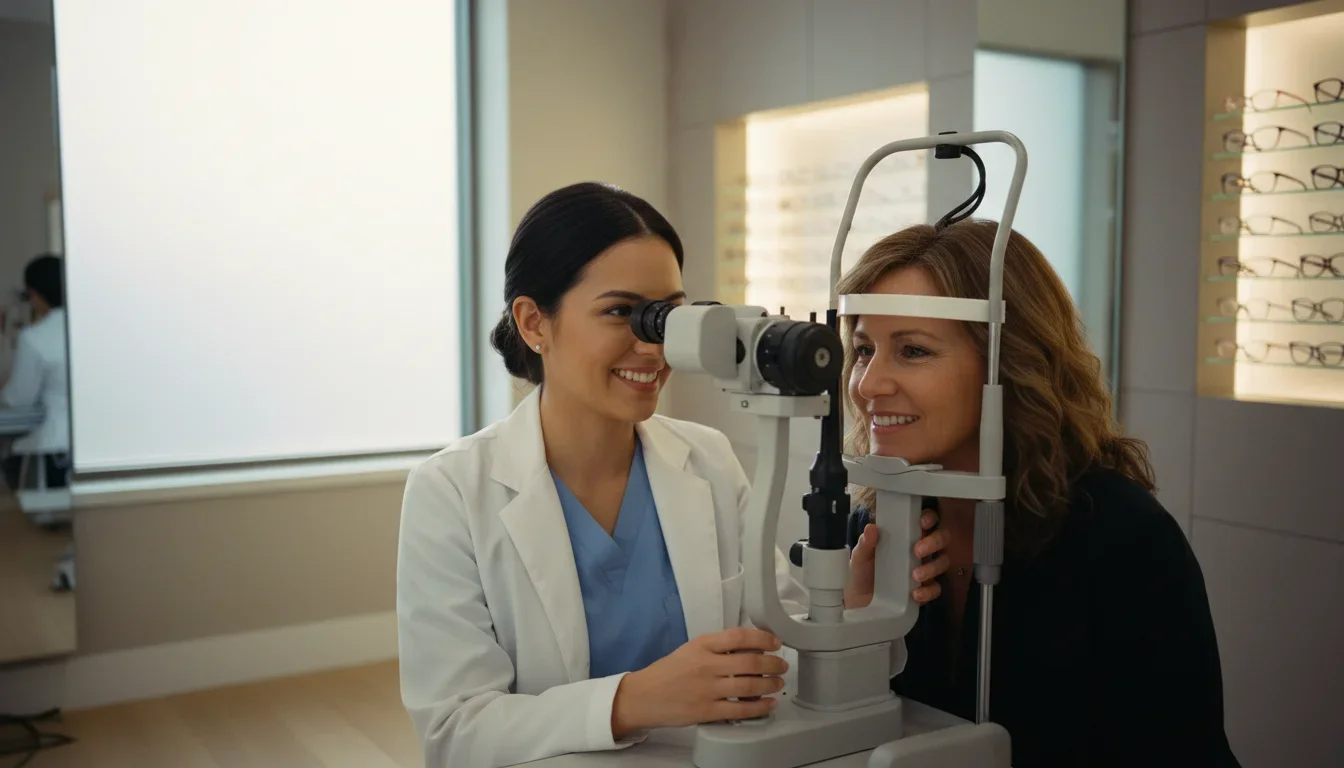
Good eye health starts early. For children, eye exams are vital to detecting developmental vision issues such as lazy eye or refractive errors that can impact learning and development. Pediatric screenings often begin in infancy or early childhood, and healthy children should visit an eye doctor every few years or as recommended by their pediatrician.
Regular exams can ensure children keep pace with their visual needs as their eyes grow. Early intervention prevents long-term complications, making these early assessments an essential part of pediatric health care.
Eye Exams for Adults and Seniors
For adults, aging increases the risk of eye diseases such as cataracts, glaucoma, and age-related macular degeneration. Experts recommend adults start annual eye exams at age 40, especially if they have risk factors like family history. Seniors typically require more frequent checks because of the higher probability of eye disease developing with age.
Dr. Croley advises that after 65, regular checkups every one to two years are crucial. This vigilance enables early diagnosis and treatment to preserve vision and quality of life well into later years.
Special Considerations for People with Diabetes or Family History of Eye Disease
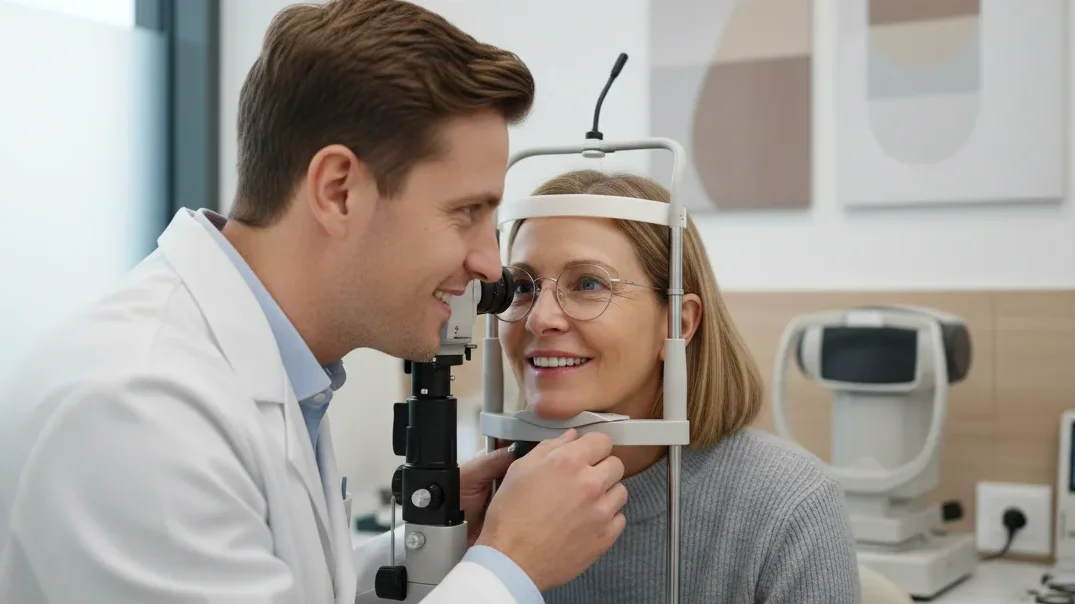
Certain health conditions, like diabetes, significantly increase the risk of eye complications such as diabetic retinopathy. Patients with diabetes should have dilated eye exams at least once a year regardless of symptoms. Similarly, a family history of eye diseases like glaucoma or macular degeneration requires earlier and more frequent exams to monitor for onset.
Dr. Croley notes that tailored surveillance based on personal health history is vital for these populations, enabling timely interventions that can prevent vision loss.
Common Eye Conditions Detected Through Regular Eye Exams
Dr. Croley notes, "The most common eye disease in America today is dry eyes, caused by prolonged screen time and reduced blinking. "
Modern lifestyles have introduced new challenges to eye health, such as dry eye syndrome, which is now the most prevalent eye condition in the U. S. due to excessive screen time and decreased blinking. A comprehensive eye exam can reveal not only this condition but also early signs of cataracts, glaucoma, diabetic eye disease, and retinal problems.
Detecting these conditions during routine exams allows for effective treatment plans, which may include lifestyle modifications, medication, or surgery, offering patients the best chance to maintain vision.
How Technology Has Enhanced Regular Eye Exams and Eye Care
High-Tech Diagnostic Tools in Modern Eye Exams
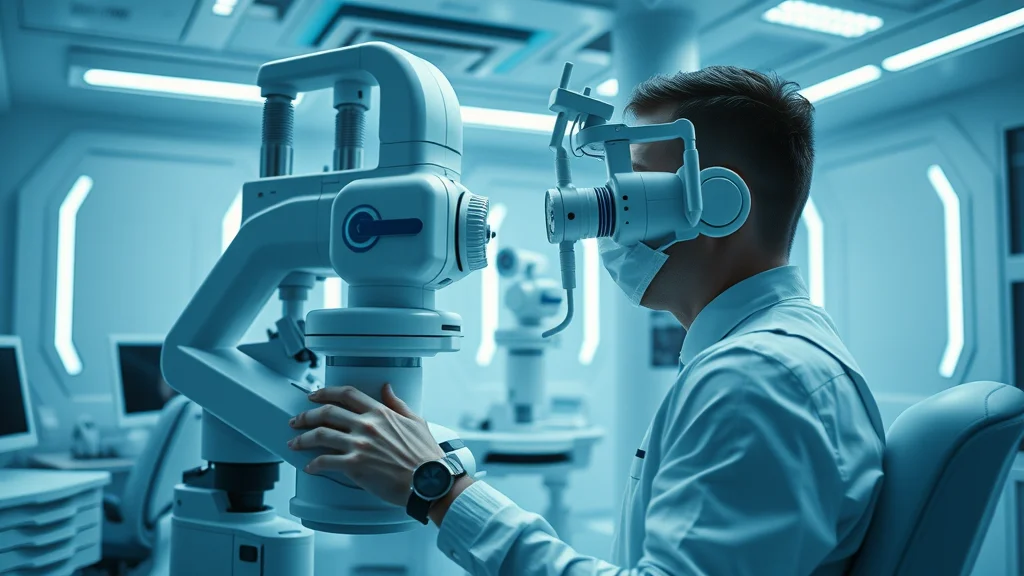
The field of ophthalmology is at the forefront of medical technology. Today’s eye exams use cutting-edge diagnostic instruments like high-resolution retinal scanners, optical coherence tomography (OCT), and advanced tonometry to measure eye pressure precisely. These tools provide detailed insights into the structure and health of the eye far beyond what is possible with traditional methods.
Dr. Croley emphasizes that “ophthalmology is probably the most high-tech specialty of any of them,” underscoring how technological progress allows earlier and more accurate detection of eye diseases, improving patient outcomes remarkably.
Tips for Maintaining Eye Health Between Regular Eye Exams

Good eye care does not begin and end with the exam. Maintaining eye health requires daily habits such as wearing UV-protective sunglasses outdoors to shield eyes from harmful rays, taking regular breaks during prolonged screen usage, and keeping eyes lubricated with artificial tears when needed. These lifestyle choices help reduce strain and prevent dry eye problems.
Nutrition also plays a critical role—eating a balanced diet rich in leafy greens, omega-3 fatty acids, and antioxidants can support eye health. Dr. Croley advises, “Protect your eyes from the sun by wearing sunglasses, take breaks from screens, and use artificial tears to keep your eyes lubricated. ” Together, these habits complement your regular eye exams to preserve vision.
Creating a Comfortable and Informative Eye Exam Experience
Patient-Centered Care in Eye Clinics
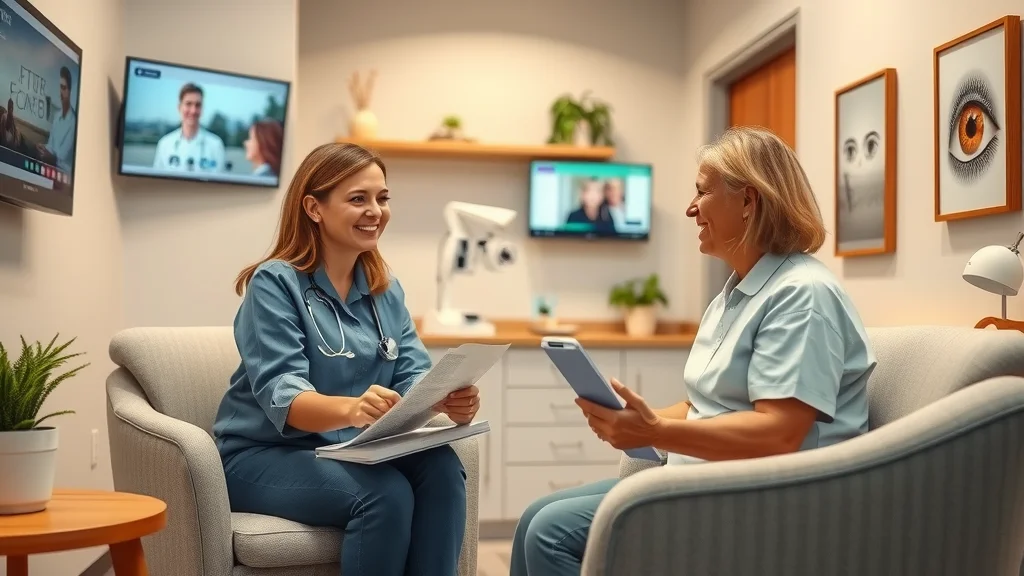
A welcoming and patient-focused environment is important for a positive eye exam experience. Modern eye clinics often personalize rooms with names and artwork instead of numbers, and feature educational media to inform patients while they wait. This approach helps reduce anxiety and encourages patients to ask questions and engage with their care.
Dr. Croley highlights the importance of taking time with patients: “I try to make sure I answer everybody’s questions. I’m there to help them. ” Such thoughtful care builds trust and makes patients partners in their eye health journey.
People Also Ask: Common Questions About Regular Eye Exams
What is a normal eye exam?
A normal eye exam assesses vision clarity and checks eye health through various tests including visual acuity, eye pressure measurement, pupil response, and retinal inspection. It ensures your eyes are functioning properly and screens for diseases early.
What are the three types of eye exams?
The three main types are:
Comprehensive eye exam: A broad evaluation of vision and eye health, including detailed tests and dilation.
Routine eye exam: Generally focused on updating a vision prescription and basic health screening.
Specialty eye exam: Targeted assessment for specific conditions such as glaucoma or diabetic retinopathy.
What is included in a routine eye exam?
Typically, a routine exam includes checking visual acuity, refraction for glasses or contacts, and a basic health evaluation. It may not involve dilation or specialized testing unless symptoms or history warrant it.
What is included in a standard eye test?
A standard eye test primarily evaluates your prescription needs and checks for common vision problems but is less comprehensive than a full exam with dilation and retinal imaging.
Key Takeaways on the Importance of Regular Eye Exams
Regular eye exams are crucial for early detection of silent eye diseases like glaucoma.
Frequency of exams depends on age, health status, and family history.
Technological advances have made eye exams more precise and informative.
Maintaining eye health between exams involves diet, sun protection, and screen time management.
A patient-friendly environment enhances the overall eye care experience.
Conclusion: Prioritize Your Vision with Regular Eye Exams
Schedule your regular eye exams today to protect your vision, detect problems early, and maintain lifelong eye health.
What You'll Learn
The importance of routine eye health check-ups
Recommended exam frequency by age and risk factors
How modern technology enhances eye care
Practical tips for maintaining eye health
How patient-centered care improves the eye exam experience



Write A Comment