
Add Row
Add Element
cropper
update
Cape Coral Home Improvement
update
Add Element
  • Home
  • Categories
    • Home
    • Improvement
    • Style
    • Upgrades
    • Design
    • Renovation
    • Creativity
    • RealEstate
    • SmartTech
    • CapeCoral
  • Landscaping
  • Roofing
  • All Posts
  • Home
  • Improvement
  • Style
  • Upgrades
  • Design
  • Renovation
  • Creativity
  • RealEstate
  • SmartTech
  • CapeCoral
  • Landscaping
  • Roofing
  • Extra News
February 23.2026
1 Minute Read

Understanding Common Eye Conditions Treated at the Cataract & Refractive Institute of Florida

Did you know that over 3. 4 million Americans aged 40 and older are visually impaired? Understanding common eye conditions is crucial for early detection and effective treatment. Maintaining eye health is essential not only for clear vision but also for overall quality of life. This comprehensive article explores prevalent eye diseases, their symptoms, and how the Cataract & Refractive Institute of Florida provides cutting-edge care to preserve and improve vision.

Overview of Common Eye Conditions and Diseases

  • Definition of common eye conditions and diseases: Eye conditions refer to a variety of disorders that affect the eye's ability to function properly, ranging from minor irritations like dry eye syndrome to serious diseases such as glaucoma and cataracts. These conditions can alter vision, cause discomfort, or even lead to permanent vision loss if untreated.
  • Importance of early diagnosis and treatment: Early detection through routine eye exams can prevent complications and enhance treatment effectiveness. Addressing issues promptly often leads to better outcomes and can preserve vision for a lifetime.
  • Introduction to the Cataract & Refractive Institute of Florida and its role in eye care: Serving communities across Southwest Florida, including Cape Coral, Fort Myers, Bonita Springs, and Lehigh Acres, the Institute specializes in diagnosing and treating a wide range of eye conditions. Led by board-certified ophthalmologist Dr. James E. Croley III, the institute employs advanced technology and a multidisciplinary approach to provide individualized patient care.

Dr. James E. Croley III, of the Cataract & Refractive Institute of Florida, emphasizes, "Our multidisciplinary approach ensures personalized treatment plans tailored to each patient's unique eye condition. "

Common Eye Conditions Treated at the Institute

Dry Eye Syndrome

Calm woman touching her eye gently at an ophthalmologist’s exam chair, representing common eye conditions related to dry eye syndrome

Dry eye syndrome is a widespread and often chronic condition that occurs when the eyes do not produce enough tears or when the tears evaporate too quickly. Patients typically experience irritation, burning sensations, and a gritty feeling in their eyes, which can affect daily comfort and vision clarity. Environmental factors like dry climates and prolonged screen time exacerbate symptoms.

At the Cataract & Refractive Institute of Florida, treatment begins with comprehensive assessments to identify the root causes. Management options include artificial tears, anti-inflammatory medications, and advanced therapies tailored to restore moisture and reduce inflammation. Preventative tips such as avoiding dry environments and scheduling regular follow-ups are crucial for long-term relief.

Astigmatism and Refractive Errors

Astigmatism is an eye condition where the cornea or lens is irregularly shaped, causing blurred or distorted vision. It is one of the most common refractive errors, alongside nearsightedness and farsightedness. This imperfection prevents light from focusing correctly on the retina, leading to discomfort and visual disturbances.

The Cataract & Refractive Institute of Florida offers multiple treatment options, including corrective glasses, contact lenses, and refractive lens exchange surgeries. Refractive lens exchange is particularly beneficial for patients seeking to reduce dependence on glasses by replacing the natural lens with an artificial one that corrects for astigmatism and other refractive errors.

Glaucoma

Glaucoma is a serious eye disease characterized by damage to the optic nerve, typically due to elevated intraocular pressure. It often progresses unnoticed until significant vision loss occurs, making regular screenings vital, especially for those with risk factors such as family history or advanced age.

Treatment at the institute includes minimally invasive glaucoma surgery (MIGS) and medication to control eye pressure and preserve vision. The approach focuses on early identification and intervention, which Dr. James E. Croley III stresses, "Regular screening and bespoke treatment plans help maintain vision quality and prevent progression in glaucoma patients. "

Cataracts and Precision Laser Cataract Surgery

Detailed eye anatomy showing iris, pupil, and lens highlighting common eye conditions like cataracts

Cataracts involve the clouding of the eye's natural lens, leading to blurry or dim vision. They develop commonly with age and can severely affect daily activities and independence. The Cataract & Refractive Institute of Florida uses state-of-the-art precision laser cataract surgery, which allows for enhanced accuracy, reduced recovery times, and improved outcomes compared to traditional methods.

Patients benefit from personalized surgical plans and advanced intraocular lens implants that may also correct other refractive errors. Early consultation and intervention prevent vision deterioration and restore clarity, enhancing patients' quality of life significantly.

Advanced Diagnostic and Treatment Services
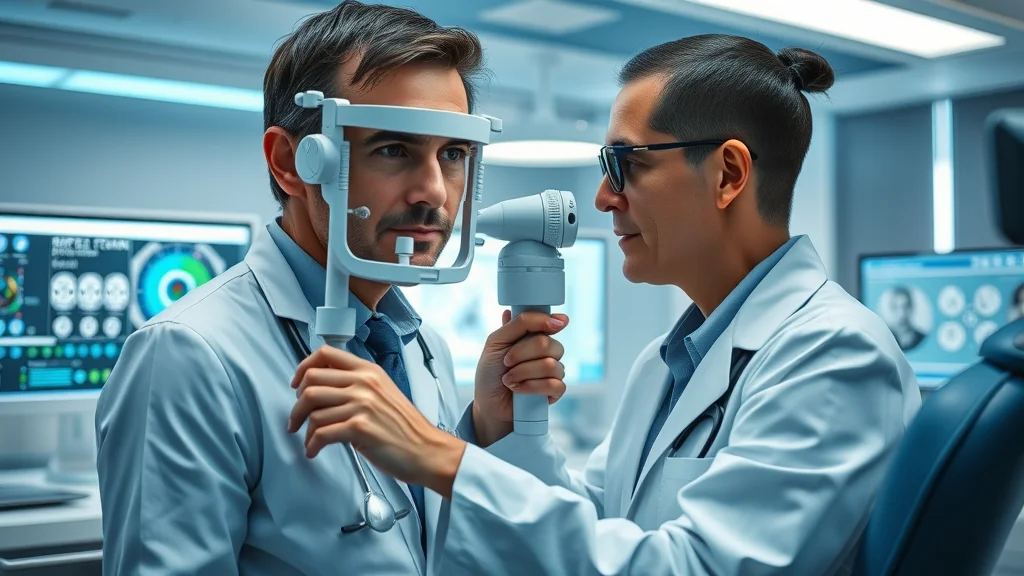
Optometrist using high-tech eye scan device to diagnose common eye conditions at Cataract & Refractive Institute of Florida

Modern eye care relies heavily on precise diagnostics to tailor effective treatments. The Cataract & Refractive Institute of Florida employs cutting-edge technologies such as digital eye scans, optical coherence tomography, and advanced pressure measurement tools. These allow for comprehensive evaluations of the eye’s anatomy and health.

Such thorough diagnostics enable customized treatment plans that align with the specific needs of each patient, enhancing success rates and patient satisfaction. This advanced care model helps identify problems early and monitor treatment progress accurately.

On-site Optical Care Center

According to Dr. Croley, "Providing comprehensive care from diagnosis to optical solutions ensures our patients receive seamless and effective treatment. "

Beyond medical treatment, the institute offers an on-site optical care center that stocks affordable frames and reliable name-brand contact lenses. This integrated approach simplifies the patient journey from diagnosis to vision correction, ensuring convenience and continuity of care under one roof.

Common Eye Diseases and Disorders: Causes and Prevention

Understanding Eye Problems and Disorders
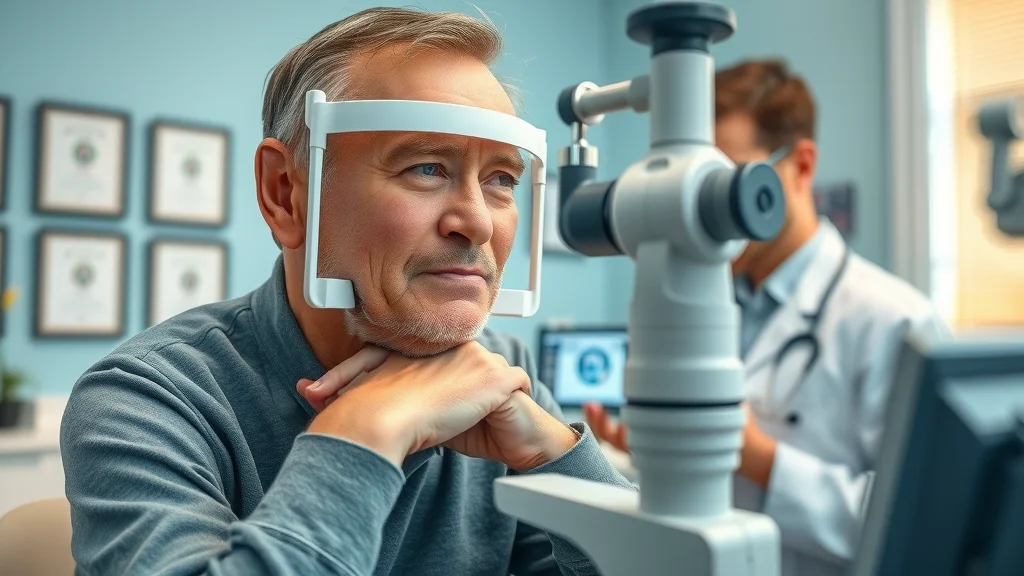
Concerned patient receiving thorough eye exam enhancing understanding of common eye conditions

Eye problems and disorders range widely in cause and severity. They may stem from genetic factors, lifestyle habits, environmental exposure, or systemic diseases such as diabetes. Recognizing symptoms like blurry vision, eye pain, redness, or visual distortions is crucial for timely intervention.

Preventive measures focus on regular eye exams, UV protection, maintaining a healthy lifestyle, and managing chronic health conditions. Education on risk factors empowers patients to take proactive steps in sustaining their eye health long term.

What You'll Learn: Key Takeaways on Common Eye Conditions

  • Identification of symptoms for common eye conditions such as irritation, blurred vision, and pain.
  • Available treatment options at the Cataract & Refractive Institute of Florida including innovative surgeries and therapies.
  • Importance of early intervention and regular eye care to prevent vision loss and enhance outcomes.
Eye Condition Symptoms Treatment Options Prevention Tips
Dry Eye Syndrome Irritation, dryness Artificial tears, advanced therapies Avoid dry environments, regular check-ups
Astigmatism Blurred vision Refractive lens exchange, glasses Routine eye exams
Glaucoma Vision loss, eye pain MIGS, medication Regular screening, control of risk factors
Cataracts Cloudy vision Precision laser cataract surgery UV protection, healthy lifestyle

Happy senior couple smiling after eye appointment illustrating successful treatment of common eye conditions

People Also Ask: Common Questions About Eye Conditions

What are the 10 most common eye problems?

The most common eye problems include dry eye syndrome, astigmatism, myopia (nearsightedness), hyperopia (farsightedness), cataracts, glaucoma, diabetic retinopathy, macular degeneration, eye allergies, and conjunctivitis (pink eye). Recognizing these conditions early ensures timely care and prevention of complications.

What are the 5 eye disorders?

Five prevalent eye disorders are glaucoma, cataracts, macular degeneration, diabetic retinopathy, and strabismus (crossed eyes). Each differs in cause and severity but generally affects vision and requires medical or surgical management.

Why is my eye red after being poked?

Redness after an eye injury, such as being poked, often results from broken blood vessels (subconjunctival hemorrhage) or irritation. Although usually harmless, severe pain or vision changes warrant prompt evaluation at an eye care center like the Cataract & Refractive Institute of Florida.

Youthful person examining red eye after injury highlighting common eye problems

What are the four most common eye problems?

The four most common eye problems are refractive errors (including astigmatism), cataracts, glaucoma, and dry eye syndrome. Each has distinct symptoms and treatment pathways, underscoring the importance of professional eye exams.

Conclusion: Prioritizing Eye Health with Expert Care

Dr. James E. Croley III concludes, "Our commitment is to provide gold-standard patient care every step of the way, ensuring your vision is in the best hands. "

Schedule your comprehensive eye exam today to detect, treat, and prevent common eye conditions with expert care at the Cataract & Refractive Institute of Florida.

Take the Next Step: Schedule Your Comprehensive Eye Exam Today

Protect your vision by booking a thorough eye exam with the Cataract & Refractive Institute of Florida. Early diagnosis and tailored treatments from renowned experts like Dr. James E. Croley III can safeguard your eye health for years to come.


Sources

  • American Academy of Ophthalmology - Common Eye Diseases
  • National Eye Institute - Eye Conditions and Diseases
  • Cataract & Refractive Institute of Florida
Extra News

0 Views

0 Comments

Write A Comment

*
*
Related Posts All Posts
02.24.2026

The Role of On-Site Optical Care Centers in Comprehensive Eye Health

Did you know that nearly 75% of adults experience some form of vision impairment during their lifetime?optical care center plays a vital role in ensuring individuals receive not only timely diagnosis but also affordable vision correction solutions at a single convenient location. From routine eye exams to offering name brand contact lenses and stylish frames, these centers provide a multifaceted approach that is essential for maintaining optimal eye health across communities. In this article, we dive into the multiple ways an optical care center integrates advanced eye care services and personalized patient programs to improve vision and enhance overall eye wellness. Backed by expert insights from Dr. James E. Croley III of the Cataracts & Refractive Institute of Florida, we explore why choosing a center with on-site optical services is a crucial step in your eye health journey. Startling Facts About Optical Care Centers and Eye Health Many people underestimate the role of an optical care center in preventing serious eye conditions. Across the United States, eye diseases such as glaucoma, cataracts, and astigmatism silently affect millions without early detection. Optical care centers serve as frontline hubs for comprehensive eye exams that identify these issues before they progress. Moreover, the convenience of having on-site services like affordable frames and name brand contact lenses improves patient compliance with prescribed vision correction. According to Dr. James E. Croley III, “Our optical care center provides affordable frames and name brand contacts, ensuring patients receive comprehensive eye care in one convenient location. ” This integration not only streamlines care but ensures patients adhere to their vision needs consistently, directly impacting eye health outcomes. Overview of Optical Care Center Services and Their Impact on Eye Care Comprehensive Eye Exams and Their Role in Preventative Care At the heart of any optical care center are thorough eye exams that go beyond simple vision tests. These exams help in detecting early signs of eye disease and other health problems such as diabetes or hypertension that affect the eyes. A comprehensive exam includes visual acuity tests, eye pressure measurements, and retinal imaging, all designed to deliver a complete picture of your eye health. Regular visits to an optical care center enable preventative care strategies, catching problems before they cause irreversible damage. The combination of advanced technology and expert evaluation ensures patients receive a customized care plan tailored to their unique eye health profile. Prescription Glasses and Contact Lenses: Enhancing Vision and Comfort An optical care center stands out by offering a wide selection of prescription glasses and contact lenses right on site, simplifying the patient’s journey from diagnosis to vision correction. Prescription eyewear not only improves vision clarity but also boosts patient confidence and daily comfort. Contact lenses offered at the center include popular name brands, providing options for those seeking convenience and style. The ability to try frames and lenses immediately after an exam allows for well-informed choices that meet vision needs and personal preferences. This seamless integration results in better adherence to prescribed corrections. Dr. James E. Croley III, of the Cataract & Refractive Institute of Florida, explains, “Our optical care center provides affordable frames and name brand contacts, ensuring patients receive comprehensive eye care in one convenient location. ” How Optical Care Centers Integrate with Advanced Eye Care Treatments Optical care centers are not just about glasses and contacts—they are integral to delivering advanced eye treatments in combination with routine care. At the Cataracts & Refractive Institute of Florida, the optical care center collaborates closely with ophthalmologists to support procedures such as minimally invasive glaucoma surgery (MIGS), refractive lens exchange, and precision laser cataract surgery. This multidisciplinary approach means patients benefit from a continuum of care under one roof. “Our team’s individualized treatment programs combine diagnostic services with on-site optical care to provide gold-standard patient care every step of the way,” affirms Dr. Croley. This synergy enhances treatment outcomes and improves patient satisfaction due to the convenience and consistency it offers. The Benefits of On-Site Optical Care Centers in Southwest Florida Communities Southwest Florida residents enjoy unique advantages thanks to local on-site optical care centers. These centers foster a sense of community by providing accessible, personalized eye care services. Patients from Cape Coral, Fort Myers, Bonita Springs, and Lehigh Acres conveniently access comprehensive exams, eyewear, and specialty treatments all in one location, making eye health management easier and more consistent. Having an optical care center nearby eliminates the need for multiple appointments at different places, reducing stress and travel time. It also encourages regular eye checkups, which are vital for early detection and management of eye conditions prevalent in the aging population of this region. Vision Insurance and Affordable Eye Care Options Optical care centers work effortlessly with a variety of vision insurance plans to make eye care affordable and accessible. This integration means patients can maximize their benefits for exams, glasses, contact lenses, and even advanced procedures. The Cataracts & Refractive Institute of Florida’s optical care center welcomes vision insurance to reduce out-of-pocket expenses and enhance affordability. Additionally, these centers often offer budget-conscious frame collections and promotional discounts on popular contact lens brands. Patients receive expert guidance in selecting cost-effective options that never compromise vision quality or style, assuring equitable access to quality eye care. Common Questions About Optical Care Centers Answered Does Medicare pay for optical care? Medicare Part B covers certain eye exams related to diabetes or glaucoma but not routine vision exams or glasses. Supplemental plans might offer additional coverage. What is the 20 minute rule for eyes? This rule recommends taking a 20-second break every 20 minutes by looking at something 20 feet away to reduce eye strain, especially during screen use. How much do Costco glasses cost? Costco offers affordable glasses typically ranging from $60 to $200 depending on frames and lens options. What is the difference between an optical center and an optometrist? An optical care center provides vision services plus eyewear products while an optometrist is a licensed eye care professional who performs eye exams and prescribes corrective lenses. What You'll Learn: Key Takeaways About Optical Care Centers The critical role of optical care centers in comprehensive eye health management How on-site optical care enhances patient convenience and treatment outcomes The importance of regular eye exams and personalized vision correction Affordable options and insurance integration for accessible eye care Service Description Benefits Eye Exams Comprehensive vision and health assessments Early detection of eye diseases Prescription Glasses Custom frames and lenses Improved vision and style Contact Lenses Variety of brands and types Comfort and convenience Advanced Treatments Procedures like MIGS and laser surgery Enhanced eye health outcomes Conclusion: Why Choosing an Optical Care Center Matters for Your Eye Health Opt for an optical care center that unites expert diagnostics, affordable eyewear, and advanced treatment options to safeguard your vision with convenience and care. Take the Next Step: Schedule Your Eye Exam at Our Optical Care Center Today Your comprehensive eye health starts here. Book your appointment at the Cataracts & Refractive Institute of Florida’s optical care center for expert care, personalized service, and quality eyewear all in one trusted location. Sources: https://www.aao.org/eye-health https://www.cataractandinstituteofflorida.com/ https://www.nei.nih.gov/

02.24.2026

How a Multidisciplinary Approach Enhances Eye Care at the Cataract & Refractive Institute of Florida

Did you know that over 3 million adults in the United States suffer from some form of debilitating eye disease yet lack access to comprehensive care? This startling fact underscores the urgent need for enhanced and integrated eye care solutions. At the forefront of this movement is the Cataract & Refractive Institute of Florida, where a multidisciplinary eye care approach is revolutionizing patient outcomes by combining the expertise of various specialists to offer personalized, precise treatment plans. Join us as we explore how this innovative care model improves diagnosis, treatment, and overall eye health for patients in Southwest Florida and beyond. Opening with a Startling Fact: The Growing Need for Multidisciplinary Eye Care Understanding the Complexity of Eye Diseases and the Importance of Integrated Care Eye diseases, such as dry eye syndrome, glaucoma, cataracts, and ocular inflammation, are multifaceted conditions that often require more than a single specialist's perspective to manage effectively. The intricate nature of these ailments means diagnosis can be challenging, and treatment requires precision and adaptability. The rise in eye disease prevalence due to aging populations and environmental factors further amplifies the need for a comprehensive approach. Traditional eye care models sometimes fall short because they lack coordination between specialists, which can lead to fragmented treatment and inconsistent outcomes. In contrast, multidisciplinary eye care integrates diverse expertise into a unified treatment plan, ensuring each patient's condition is addressed holistically. This integration not only improves diagnostic accuracy but also enhances patient safety and satisfaction. Overview of Multidisciplinary Eye Care at the Cataract & Refractive Institute of Florida Defining Multidisciplinary Care and Its Role in Modern Eye Care Services Dr. James E. Croley III, founder and medical director of the Cataract & Refractive Institute of Florida, emphasizes, "Our multidisciplinary approach allows us to tailor treatment plans that address the unique needs of each patient, ensuring the highest standard of care in a safe and welcoming environment." The Cataract & Refractive Institute of Florida exemplifies the power of multidisciplinary eye care by combining the talents of ophthalmologists, optometrists, and specialized technicians. This collective expertise enables a seamless patient journey from diagnosis through treatment and follow-up, supporting superior clinical outcomes. Multidisciplinary care at the Institute involves precise collaboration between professionals skilled in treating a range of eye conditions, from routine dry eye syndrome to intricate surgical interventions like precision laser cataract surgery. The team’s comprehensive knowledge base enables early detection of complications and the deployment of tailored therapies, optimized for individual patient profiles. Key Eye Care Services Offered: From Dry Eye to Precision Laser Cataract Surgery Patients at the Cataract & Refractive Institute of Florida have access to advanced services spanning the full spectrum of eye care needs. From managing common complaints like dry eye syndrome and astigmatism to treating complex diseases such as glaucoma and ocular inflammation, the Institute’s integrated approach guarantees comprehensive care. The center’s state-of-the-art procedures highlight its commitment to innovation, including minimally invasive glaucoma surgeries (MIGS), refractive lens exchange, and cutting-edge laser cataract surgeries. These offerings are supported by in-house diagnostic technologies that ensure precise evaluation and post-treatment monitoring, all within a patient-friendly environment. The Multidisciplinary Approach: Combining Expertise to Manage Complex Eye Diseases Collaborative Care Model for Conditions like Dry Eye, Glaucoma, and Ocular Inflammation Complex eye conditions such as glaucoma and ocular inflammation demand an approach that combines multiple specialists’ input. At the Cataract & Refractive Institute, teams of experts convene regularly to discuss cases, ensuring diagnoses are exhaustive and treatment plans are both evidence-based and tailored. This multidisciplinary eye care model facilitates dynamic treatment planning, allowing continuous fine-tuning of therapies as patient responses are evaluated. The model fosters communication between surgeons, medical doctors, and diagnostic experts, which leads to faster identification of issues and cohesive management strategies. Integrating Diagnostic and Treatment Modalities for Enhanced Patient Outcomes According to Dr. Croley, "By leveraging a team of specialists and advanced technologies, we can address ocular inflammation and other complex eye diseases more effectively than traditional single-provider models." Integrating various diagnostic modalities like optical coherence tomography (OCT), corneal topography, and advanced visual field testing with collective clinical expertise enables the Institute to deliver unmatched precision in care. Treatment modalities are customized based on thorough interpretation of diagnostic data by multiple professionals collaborating in real time. This integration means patients benefit from faster recovery times, fewer complications, and improved long-term eye health. Moreover, multidisciplinary care supports continuity, reducing unnecessary referrals and delays, which can be critical for conditions that progress rapidly without intervention. Benefits of Multidisciplinary Eye Care in a Specialized Eye Center Improved Diagnostic Accuracy and Personalized Treatment Plans A key advantage of multidisciplinary eye care is the enhanced diagnostic accuracy achieved through collaborative review. This ensures that every aspect of a patient's eye health is considered, preventing misdiagnoses and enabling early intervention. Personalized treatment plans are developed by synthesizing insights from the entire care team, ensuring therapies are not generic but precisely targeted to an individual’s unique eye condition, lifestyle, and health status. Such precision reduces risks and optimizes outcomes, fostering patient trust and engagement. Enhanced Patient Care and Satisfaction in a Comprehensive Care Setting Patients often report higher satisfaction rates under multidisciplinary care regimes thanks to the comprehensive nature of services and the personal attention their cases receive. The Cataract & Refractive Institute prioritizes a welcoming environment where patients feel heard, understood, and supported throughout their journey. The approach also empowers patients through education, enabling informed decision-making and fostering a proactive attitude toward eye health maintenance. This patient-centered philosophy is at the heart of the Institute’s care delivery, ensuring better compliance and long-term benefits. Common Misconceptions and Challenges in Multidisciplinary Eye Care Debunking Myths About Eye Care Services and Multidisciplinary Models One common misconception is that multidisciplinary care is complex, costly, or less personal than traditional models. In reality, this integrated approach simplifies the patient experience by centralizing services and enhancing communication among providers. Another myth suggests that single-provider care suffices for all eye diseases; however, many studies highlight that complex ocular conditions require specialized input to avoid suboptimal outcomes. The multidisciplinary approach bridges these gaps, offering the highest standards of accuracy and care. Addressing Barriers to Access and Coordination in Complex Care Settings While multidisciplinary eye care offers many advantages, barriers such as logistical challenges, insurance limitations, and lack of patient awareness can impede access. The Cataract & Refractive Institute actively works to minimize these obstacles by streamlining appointment scheduling, coordinating care seamlessly, and offering patient education. Furthermore, their practice supports an environment where patients, especially those with chronic conditions, receive continuous follow-ups, ensuring that treatment adjustments are timely and effective without unnecessary burden on the patient. Actionable Tips for Patients Seeking Multidisciplinary Eye Care How to Choose the Right Eye Care Center for Comprehensive Services When selecting an eye care center, patients should look for facilities that demonstrate a commitment to multidisciplinary eye care. This includes verifying that they offer a broad range of specialists, employ advanced diagnostic technologies, and have a streamlined care coordination system. It's also vital to consider the patient experience—centers that foster a welcoming environment and prioritize patient education tend to deliver better outcomes. Reading reviews, asking for referrals, and scheduling initial consultations to assess compatibility can guide informed choices. Questions to Ask Your Ophthalmologist About Multidisciplinary Care Options Question Purpose What specialists are involved in my eye care team? To understand the range of expertise contributing to your treatment plan. How do you coordinate care among different providers? To gauge the level of communication and seamlessness in care delivery. Are advanced diagnostic technologies available on-site? To assess the precision and comprehensiveness of diagnostics. What treatment options will be considered for my condition? To know the personalized strategies tailored to your eye health. How will you monitor my disease progression and adjust treatment? To ensure ongoing management is proactive and adaptive. People Also Ask: Common Questions About Multidisciplinary Eye Care What is multidisciplinary eye care and why is it important? How does a multidisciplinary approach improve treatment for dry eye and glaucoma? What types of eye diseases benefit most from multidisciplinary care? How can patients access multidisciplinary eye care services? What should patients expect during a multidisciplinary eye care visit? Key Takeaways: The Impact of Multidisciplinary Care on Eye Health Multidisciplinary eye care integrates various specialties to provide comprehensive treatment. The Cataract & Refractive Institute of Florida exemplifies gold-standard patient care through this model. Patients benefit from personalized, accurate diagnoses and tailored treatment plans. Collaborative care improves management of complex eye diseases like ocular inflammation and glaucoma. Choosing a specialized eye center with multidisciplinary services enhances overall eye health outcomes. Conclusion: Embracing Multidisciplinary Eye Care for Superior Patient Outcomes Dr. James E. Croley III concludes, "Our commitment to multidisciplinary eye care ensures that every patient receives the most effective, personalized treatment possible, setting a new standard in eye health management." Patients seeking improved eye care outcomes should prioritize multidisciplinary care models that blend specialist expertise, advanced diagnostics, and patient-centered approaches to deliver superior, personalized treatment. Call to Action: Schedule Your Comprehensive Eye Care Consultation Today Experience the benefits of multidisciplinary eye care firsthand at the Cataract & Refractive Institute of Florida. Schedule your comprehensive consultation today and take the first step toward personalized, cutting-edge eye health management tailored just for you. What You'll Learn The significance of multidisciplinary eye care in managing complex eye diseases. How collaboration between specialists enhances diagnosis and treatment. Key services and innovative procedures available at the Cataract & Refractive Institute of Florida. How to select the right eye care center offering comprehensive, multidisciplinary services. Common patient questions and actionable tips for maximizing eye health outcomes. Sources https://www.aao.org/eye-health https://www.cataractrefractiveinstitute.com https://www.nei.nih.gov/learn-about-eye-health

02.23.2026

Innovative Eye Procedures: MIGS, Refractive Lens Exchange, and Precision Laser Cataract Surgery Explained

Did you know that advanced eye surgery procedures are rapidly evolving in Southwest Florida, offering safer and more precise treatment options for a variety of eye conditions? At the forefront of this innovation is the Cataract & Refractive Institute of Florida, where cutting-edge techniques like Minimally Invasive Glaucoma Surgery (MIGS), Refractive Lens Exchange, and Precision Laser Cataract Surgery are transforming patient outcomes. This article delves deeply into these innovative eye surgery procedures, exploring why they matter, how they work, and what patients can expect from these life-changing treatments. Whether you are seeking solutions for glaucoma, cataracts, or vision correction, understanding these advanced options empowers you to make informed decisions about your eye health. Startling Facts About Eye Surgery Procedures: Why Innovation Matters The demand for innovative eye surgery procedures in Southwest Florida is surging due to rising rates of eye conditions among an aging population. Advances in surgical technology have shifted the landscape dramatically, offering less invasive options with quicker recovery times and enhanced precision. Southwest Florida communities such as Cape Coral, Fort Myers, Bonita Springs, and Lehigh Acres have experienced an increase in patients seeking cutting-edge treatment for conditions like glaucoma, cataracts, and astigmatism. Improved diagnostic capabilities combined with groundbreaking surgical techniques contribute to better preservation and restoration of vision. The Growing Need for Advanced Eye Surgery Procedures in Southwest Florida The growing prevalence of eye diseases demands innovative solutions that can tailor treatment to individual needs. Dr. James E. Croley III, founder and medical director of the Cataract & Refractive Institute of Florida, emphasizes, Our multidisciplinary approach ensures each patient receives a personalized treatment plan tailored to their unique eye health needs. This patient-focused philosophy underpins the expansion of advanced procedures throughout the region, enabling people to maintain active lifestyles with improved visual acuity. With the convergence of sophisticated surgical tools and specialized expertise, eye surgery procedures today are safer, less uncomfortable, and more effective than ever before. This progress is crucial for improving quality of life and reducing the long-term impact of chronic eye diseases. Overview of Common Eye Surgeries and Types of Eye Surgery Understanding the Most Common Eye Surgeries Common eye surgeries target various conditions affecting vision, each differing in complexity and goals. Cataract surgery remains one of the most frequently performed procedures worldwide, replacing clouded lenses to restore clarity. Glaucoma surgeries aim to reduce intraocular pressure to prevent optic nerve damage. Other prevalent surgeries include LASIK for refractive vision correction and corneal transplants for damaged corneas. The diversity of techniques reflects evolving medical understanding and patient needs, ensuring tailored care for different eye conditions. Types of Eye Surgery: From Cataract Surgery to Glaucoma Surgery Procedure Primary Benefit Typical Recovery Time Cataract Surgery Restores clear vision by replacing the lens 1-2 weeks Minimally Invasive Glaucoma Surgery (MIGS) Lowers eye pressure with reduced risk and quicker recovery Days to 1 week Refractive Lens Exchange Corrects near and farsightedness beyond conventional methods 1 week LASIK Surgery Corrects refractive errors by reshaping the cornea 1-3 days Corneal Transplant Replaces damaged corneal tissue Several weeks to months Glaucoma Surgery (Traditional) Creates drainage to lower intraocular pressure 1-2 weeks Detailed Breakdown of Innovative Eye Surgery Procedures Minimally Invasive Glaucoma Surgery (MIGS): A New Frontier in Glaucoma Treatment MIGS represents a revolutionary, less invasive option for managing glaucoma, a leading cause of irreversible blindness. Unlike traditional glaucoma surgeries, MIGS uses micro-sized implants or devices to improve aqueous humor outflow, significantly reducing intraocular pressure with minimal complications. This procedure is typically performed on an outpatient basis, providing patients with faster recovery times and lower risks of infection or vision loss. For many, MIGS offers a viable alternative when medications fail to adequately control glaucoma progression. Refractive Lens Exchange: Correcting Vision Beyond Traditional Methods Refractive Lens Exchange (RLE) replaces the eye’s natural lens with an artificial intraocular lens (IOL) designed to correct refractive errors such as nearsightedness, farsightedness, and presbyopia. This procedure extends corrective options beyond glasses, contacts, or LASIK, particularly for patients with thin corneas or advanced presbyopia. RLE allows for customized vision correction, dramatically reducing dependency on visual aids. It is often recommended for patients over 40 seeking permanent solutions to age-related vision deterioration and refractive errors. Precision Laser Cataract Surgery: Enhancing Accuracy and Outcomes This procedure elevates traditional cataract surgery through the use of high-precision femtosecond lasers that assist in lens fragmentation, corneal incisions, and capsulotomy. The laser-guided technology enhances surgical accuracy and predictability, improving visual outcomes and reducing complications. Patients undergoing precision laser cataract surgery benefit from more precise lens placement, potentially better postoperative vision, and a quicker recovery timeline. The integration of laser technology represents a significant leap forward in cataract care. Expert Insights on Choosing the Right Eye Surgery Procedure According to Dr. James E. Croley III of the Cataract & Refractive Institute of Florida, Selecting the appropriate eye surgery procedure depends on individual patient factors, including the type and severity of the eye condition, lifestyle, and overall health. This underscores the importance of personalized consultation to tailor treatments that align with patients’ goals and medical profiles. Factors Influencing the Choice of Eye Surgery Procedures Deciding on the best eye surgery procedures involves consideration of multiple factors: the patient’s specific diagnosis, severity of vision impairment, coexisting health conditions, and personal lifestyle requirements. For instance, MIGS might be preferred for early-to-moderate glaucoma, whereas advanced cataracts warrant precision laser surgery. Age, occupation, and eye anatomy further influence surgical planning. Ophthalmologists assess these variables comprehensively to recommend the procedure promising the best functional and safety outcomes. Patient-Centered Care and Multidisciplinary Treatment Approaches Emphasizing a multidisciplinary approach, the Cataract & Refractive Institute of Florida integrates medical, surgical, and optical care services. Dr. Croley highlights, Our multidisciplinary approach ensures each patient receives a personalized treatment plan tailored to their unique eye health needs. This collaborative strategy ensures comprehensive care from diagnosis through recovery, enhancing patient satisfaction and visual prognosis. Supportive care includes preoperative counseling, precise diagnostics, and postoperative follow-up to monitor healing and address any concerns promptly, underscoring a commitment to gold-standard patient outcomes. Common Steps and What to Expect During Eye Surgery Procedures Preoperative Preparation and Diagnostic Assessments Before surgery, patients undergo a thorough evaluation including vision testing, intraocular pressure measurement, and advanced imaging studies. These assessments guide customized surgical planning and determine eligibility for specific procedures. Patients receive instructions about medication management, fasting, and what to expect on the day of surgery. This preparatory phase is crucial for optimizing outcomes and minimizing risks. The friendly clinical team ensures patients feel informed and comfortable ahead of treatment. Surgical Procedure Overview: From Anesthesia to Recovery Most advanced eye surgery procedures are performed under local or topical anesthesia with sedation, keeping the patient comfortable yet awake. Procedures like MIGS and laser cataract surgery are typically outpatient with short durations, while some cases may require more extensive operative time. Surgeons use high-precision instruments and sterile techniques to maximize safety. Post-surgery, patients are monitored briefly before discharge with detailed care instructions and medication prescriptions to support healing. Postoperative Care and Follow-Up After surgery, patients follow a regimen including eye drops to prevent infection and inflammation, regular follow-up visits to evaluate healing, and activity modifications to safeguard recovery. Visual improvements often become apparent within days but may continue progressing over weeks. Effective postoperative management is vital for protecting surgical outcomes and addressing any side effects early, preserving long-term eye health. Addressing Frequently Asked Questions About Eye Surgery Procedures What are the most common eye surgeries? What are the three types of eye surgery? What are the steps of eye surgery? What is the simplest eye surgery? Key Takeaways: What You Should Know About Eye Surgery Procedures Eye surgery procedures have evolved significantly, offering safer and more precise options. MIGS, refractive lens exchange, and precision laser cataract surgery address different eye conditions effectively. Personalized treatment plans are essential for optimal outcomes, as highlighted by Dr. James E. Croley III. Understanding the types and steps of eye surgery helps patients prepare and recover confidently. Conclusion: Embracing Advanced Eye Surgery Procedures for Better Vision Explore innovative eye surgery options to restore and enhance your vision with expert care tailored to your unique needs. Dr. James E. Croley III concludes, Our commitment at the Cataract & Refractive Institute of Florida is to provide gold-standard patient care through innovative eye surgery procedures that restore and enhance vision. Contact the Cataract & Refractive Institute of Florida for Expert Eye Surgery Procedures Schedule a consultation with Dr. James E. Croley III and his expert team. Explore personalized treatment options tailored to your eye health. Take the first step toward improved vision with trusted eye surgery procedures. What You'll Learn Key types and benefits of innovative eye surgery procedures How personalized approaches improve treatment outcomes What to expect before, during, and after eye surgery Answers to common questions about eye surgeries Sources https://criof.com - Cataract & Refractive Institute of Florida Official Website https://aao.org - American Academy of Ophthalmology https://nei.nih.gov - National Eye Institute

Terms of Service

Privacy Policy

Core Modal Title

Sorry, no results found

You Might Find These Articles Interesting

T
Please Check Your Email
We Will Be Following Up Shortly
*
*
*