


Did you know a single misstep during your home energy-efficient upgrade could erase years of expected savings and even cost you thousands in repairs and missed incentives? For countless homeowners across the United States, the promise of lower energy bills and a reduced carbon footprint is tempting
A Startling Fact: The High Stakes of Energy-Efficient Upgrades
"The wrong approach to energy-efficient upgrades can turn savings into a costly regret."
Homeowners are flocking to energy-efficient upgrades like heat pumps, smart thermostats, energy star appliances, and solar panels, but most don’t realize how much is at stake. It’s not just about lowering your energy bill or being environmentally responsible—one wrong move can lead to higher long-term costs, failed rebate attempts, or even reduced home value. For instance, as energy costs fluctuate and government incentives become more competitive, missing out on timing or choosing the wrong products may mean forfeiting thousands in potential savings. Even a highly-touted upgrade, when installed improperly, can result in spiraling repair bills or a system that doesn’t actually save energy.
- Choosing the wrong product or size for your home
- Poor-quality or DIY installation of heat pumps and water heaters
- Focusing upgrades on just one part of the home instead of the whole system
- Missing critical rebate or tax credit deadlines
- Overlooking ongoing maintenance needs of new equipment
- Assuming all energy-efficient upgrades are certified by Energy Star
- Failing to properly document upgrades for tax credit eligibility
How a Single Oversight in Energy-Efficient Upgrades Can Impact Your Home Improvement Goals
Imagine investing thousands into a state-of-the-art heat pump water heater, only to learn the installation voided its warranty, increasing your risk of breakdowns and negating potential energy savings. Or perhaps you push ahead with installing solar panels, blindsided by the reality that your utility grid can’t adequately support them—resulting in out-of-pocket expenses for additional upgrades. Such oversights don’t just threaten your wallet; they disrupt your efficient home improvement goals, dampen expected gains in comfort and efficiency, and can even complicate your ability to resell your home. The key is understanding that every element, from product selection to professional installation and paperwork, matters in maximizing both immediate and long-term returns.
What You'll Learn About Energy-Efficient Upgrades
- Key strategies to maximize energy efficiency and lower your home’s running costs
- How to spot and avoid the most common, costly mistakes in efficient home improvements
- Practical steps to qualify for top tax credits and rebates in 2024
- Case studies of real homeowners—what worked, and what went wrong
- How to select upgrades that actually boost comfort and your home’s value

- How to maximize benefits from energy-efficient upgrades by taking a whole-home approach and timing your projects strategically
- How to avoid common pitfalls through careful planning, professional installation, and by keeping documentation for rebate claims
- How to ensure lasting savings by maintaining your energy-efficient systems for optimal performance
- Actionable steps to avoid mistakes that undermine long-term savings
- Checklists for keeping your energy-efficient upgrades running smoothly
Defining Energy-Efficient Upgrades for Today’s Efficient Home
What Are Energy Efficiency Upgrades?
Energy-efficiency upgrades encompass a variety of home improvements designed to reduce your energy bill, minimize use of fossil fuels, and increase the comfort and value of your property. They range from simple changes—like swapping out incandescent bulbs for LED lighting—to sophisticated installations, such as heat pumps and solar panels. The most impactful upgrades are often those with Energy Star ratings, which are confirmed by the official government website to exceed minimum energy performance standards. By strategically choosing the right upgrades, homeowners boost not only energy savings but also the overall efficiency of heating and cooling systems, potentially qualifying for lucrative tax credits.
- Insulation (walls, attic, floors)
- High-efficiency heat pumps (including air source and ground source heat pumps)
- Heat pump water heaters and other advanced pump water systems
- Energy Star-rated windows and doors
- Smart thermostats and whole-home automation controls
- LED and advanced lighting systems
- Solar panels and inverters
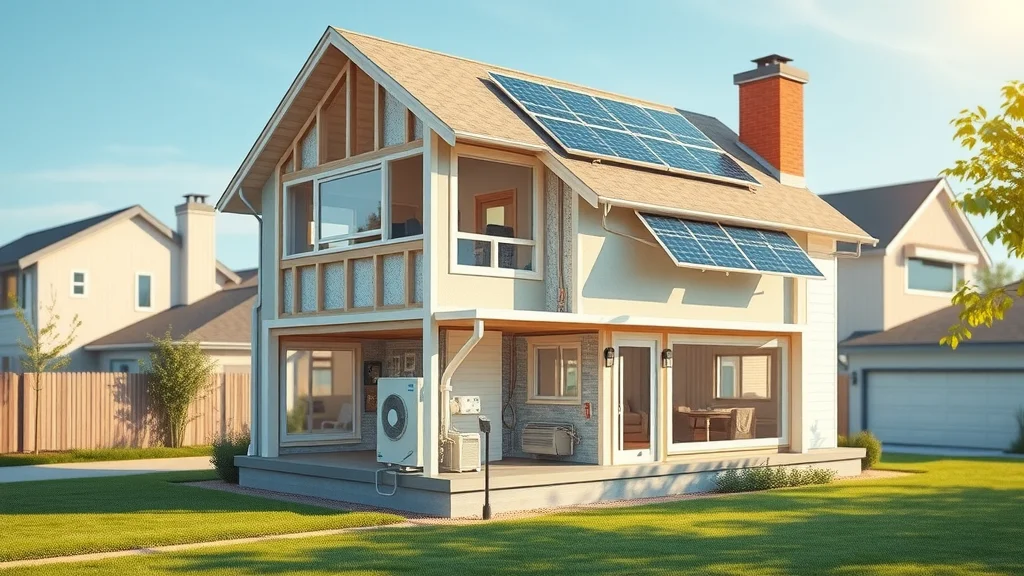
Core Benefits of Energy-Efficient Upgrades for Home Improvement
Investing in energy-efficient upgrades offers more than just a greener conscience. These upgrades typically provide ongoing savings by lowering your monthly energy bills, often pay for themselves within a few years, and can increase your home’s market value. Energy star appliances and efficient home heating and cooling systems reduce wear and tear on older, less efficient models, while upgrades like solar panels or heat pump water heaters can insulate you from rising energy costs. Another vital benefit is comfort—modern, efficient systems ensure a stable indoor climate and better air quality, which adds appeal to future buyers if you choose to sell your home.
| Upgrade Type | Avg. Reduction in Energy Bills | Improvement to Comfort | Reduction in Carbon Footprint |
|---|---|---|---|
| Heat Pumps | 30–50% | High | Significant |
| Heat Pump Water Heaters | 60–70% | Moderate | Moderate to High |
| Insulation & Air Sealing | 10–20% | High | Moderate |
| Solar Panels | Up to 100%* | High | Very High |
| Smart Thermostats | 7–10% | Moderate | Low |
*Varies by local solar potential and grid connection.
The True Cost of Mistakes in Energy-Efficient Upgrades
Financial Consequences of Ineffective Efficient Home Improvement
When efficient home improvements are executed poorly, the consequences go beyond simple inconvenience. Short-term, a botched heat pump install, a leaky water heater, or the wrong size air source system might force you to pay for expensive emergency repairs. You may face higher-than-expected utility bills and lose out on available rebates or tax credit opportunities, all of which dramatically raise the true cost of your project. As utility companies and government bodies require more documentation for rebates, failure to track your upgrades and deadlines can result in permanent forfeiture of incentives worth thousands.
- Immediate out-of-pocket repairs from faulty installations
- Continued high energy bills due to underperforming systems
- Lost eligibility for federal and state tax credits or rebates
- Increased maintenance expenses on mismatched upgrades
- Spending more later to fix inefficiencies than you would have saved
Impact on Home Energy Use, Energy Efficiency, and Resale Value

Inefficient upgrades have hidden costs for years to come. Poorly installed or mismatched products (like water heaters, solar panels, or insulation) may ultimately increase your home energy usage rather than decrease it. Worse still, appraisers and savvy buyers might value your property less if systems look dated or poorly maintained—especially if missing official Energy Star or equivalent certification. This can directly affect your resale value and even make qualifying for future investment or energy-efficiency incentive programs harder. Effective home improvements and proper documentation remain key to reaping rewards and avoiding energy waste, ensuring your home stays comfortable and marketable.
- Potentially lower resale value due to non-compliant or outdated systems
- Greater energy waste stemming from poorly matched products
- Ongoing inefficiency that compounds costs over time
Maximizing Energy Efficiency: Avoiding Costly Energy-Efficient Upgrade Errors
Common Mistakes When Pursuing Energy Star or Efficient Home Improvements
Despite the best intentions, homeowners frequently make preventable mistakes during the home improvement process. Choosing products without verifying that they qualify for current rebates or tax credit programs, trusting inexperienced contractors, or neglecting to coordinate all systems (HVAC, water heaters, insulation) with a whole-home approach can all result in disappointment. Another major blunder is soft-pedaling paperwork: failing to maintain clear records can cost you dearly if you’re ever audited for rebates or tax credits by official websites.
- Improper product selection—not all new products are eligible or the right fit for your region and home
- Poor installation by DIYers or unqualified contractors, especially with heat pump water heaters
- Ignoring the interconnectivity of home energy systems—upgrading windows without addressing insulation or HVAC
- Missing deadlines for rebate and incentive programs from government or utility providers
The Importance of Proper Heat Pump and Water Heater Installations
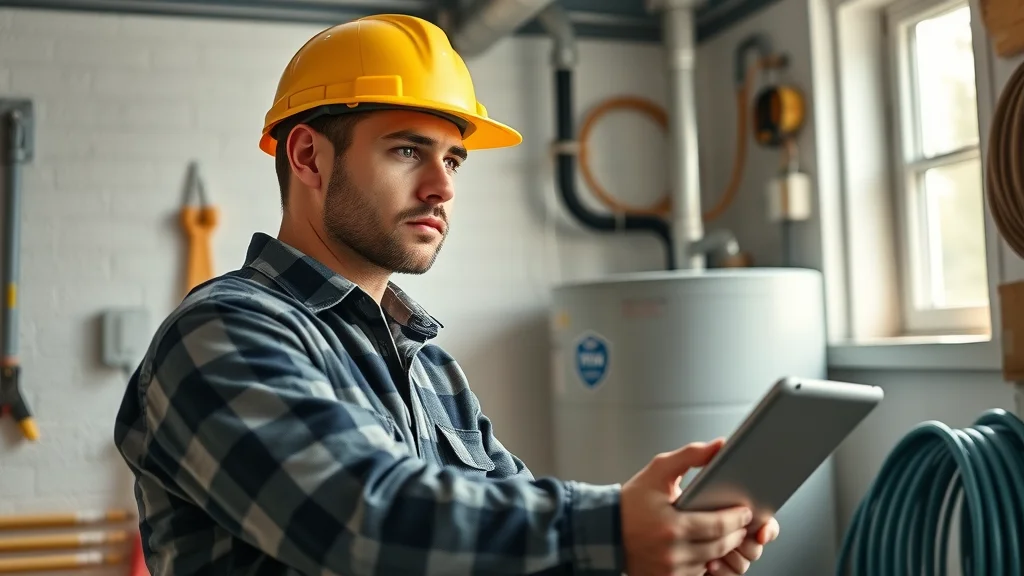
A significant contributor to failed energy-efficient upgrades is the improper installation of key systems like heat pump water heaters and main heating and cooling equipment. These advanced systems require specialized knowledge to maximize energy efficiency, ensure adequate safety, and maintain eligibility for incentives. An incorrectly installed unit may run inefficiently, leading to rapid wear, higher bills, and even safety hazards. Investing in a professional, certified contractor for these installations will protect your investment and ensure you unlock all possible energy savings and rebates. Below we compare outcomes of a standard (incorrect) versus a properly installed heat pump water heater:
| Aspect | Standard Install | Professional Install |
|---|---|---|
| Energy Efficiency | Reduced & inconsistent | Optimal & reliable |
| Warranty Validity | Often voided | Fully protected |
| System Lifespan | Shortened by years | Maximized |
| Eligibility for Rebates | Potentially forfeited | Guaranteed if documented |
Tip: Always request and keep documentation of contractor credentials and installation specifics for rebate and warranty claims.
The Role of Professional Assessments in Home Energy Upgrades
Getting a comprehensive energy audit by a certified professional can uncover inefficiencies you might miss—ensuring your energy-efficient upgrades target the right issues. Auditors use specialized tools to identify air leaks, insulation gaps, outdated appliances, or mismatches between solar panels and your roof’s solar potential. With this roadmap, you’re far less likely to make costly errors. Official websites and energy star partners often list contractors accredited for whole-home assessments—don’t skip this crucial step.
"A professional energy audit can identify the most effective path to energy efficiency for your efficient home."
Available Incentives: Tax Credits & Rebates Driving Energy-Efficient Upgrades
Understanding Tax Credits for Energy-Efficient Home Improvements
To encourage a nationwide shift away from fossil fuels and towards clean energy, the United States government and many states offer lucrative tax credit and rebate programs. The Energy Star and official gov websites often outline available incentives, such as the Energy Efficiency Home Improvement Credit worth up to 30% of qualifying system costs, and state-specific rebates for systems like heat pumps, water heaters, and solar panels. Some require pre-registration or installation by approved contractors—missing even a single requirement can forfeit savings. Here are key opportunities:
- Federal Clean Energy Tax Credit (up to 30% for solar panel systems and associated battery storage)
- Energy Efficiency Home Improvement Credit (covers eligible heat pumps, heat pump water heaters, windows, doors, insulation, and more)
- State-level rebates for qualifying home energy and efficient home improvement projects
- Utility company incentives for heat pumps, pump water heater upgrades, smart thermostats, and more
What is the $4000 Rebate on Breaker Box Upgrades and $2500 on Electrical Wiring?
As part of recent federal clean energy initiatives, homeowners can receive up to $4,000 toward upgrading their breaker boxes and $2,500 for electrical wiring, enabling safe operation of modern, energy-efficient systems. These rebates are especially valuable if you’re considering installing high-power systems such as heat pumps or solar panels and need to bring your electrical setup up to code. Eligibility is income-dependent and typically requires coordination with an approved contractor and your local utility or state energy office. Timely application and proper paperwork are crucial to capture these substantial savings.

Maximizing Your Home Improvement ROI with Rebate & Incentive Stacking
Savvy homeowners know that stacking multiple incentives—federal, state, and utility—can drastically shrink the payback period for energy-efficient upgrades. For example, combining a federal tax credit for heat pump water heaters with a local rebate and utility incentive can cut costs in half. Coordination is key: confirm which upgrades qualify for multiple programs, and track each application deadline meticulously. Keep contractor invoices and certifications accessible for future tax filings or audit requirements.
"Layering rebates and credits can drastically reduce your upfront investment in efficient home improvement."
Smart Choices: Which Home Energy Upgrades Are Actually Worth It?
Which Home Energy Upgrades Are Worth It?

With so many products on the market, it’s easy to feel overwhelmed. Start with upgrades that offer the best mix of energy savings, federal and state incentives, and proven comfort improvements. Top picks for 2024 include modern heat pumps for both heating and cooling, heat pump water heaters, rooftop solar panels with smart inverters, robust insulation packages, and smart thermostats. Each is regularly reviewed and rated on major gov websites and energy star databases for performance and payback. When prioritized strategically, these upgrades transform your home into a genuinely efficient home, saving money and energy for years to come.
- Heat Pumps (ducted and ductless models)
- Heat Pump Water Heaters
- Rooftop Solar Panels with integrated solar inverters
- Advanced Insulation and Air Sealing
- Smart Thermostats (eligible for many utility rebates)
Evaluating Heat Pump Water Heater and Solar Panel Payback Periods
Calculating the payback period—the time required for savings to offset your upfront investment—helps determine whether an upgrade is worth it. For heat pump water heaters and solar panels, the payback can be surprisingly short when you include tax credits and local rebates. In many cases, homeowners see returns in as little as 3–7 years, after which the upgrades deliver pure savings. Always factor in incentive stacking, local energy rates, and projected maintenance when estimating ROI for your next efficient home improvement.
| Upgrade | Average Cost (After Incentives) | Annual Savings | Estimated Payback Period |
|---|---|---|---|
| Heat Pump | $6,000 | $1,000 | 6 years |
| Heat Pump Water Heater | $1,300 | $300 | 4 years |
| Solar Panels | $14,000 | $2,000 | 7 years |
Case Studies: Homeowners’ Experiences with Energy-Efficient Upgrades
- Sarah from Texas invested in a home energy audit and discovered her attic insulation was insufficient. After upgrading, her cooling costs dropped 35%—and she qualified for both state and utility rebates.
- The Patel family in California installed solar panels and a heat pump water heater but neglected to register for rebates until it was too late, costing them $2,500 in lost incentives.
- Jack in New York had a heat pump installed by an uncertified contractor. The system ran poorly, leading to higher utility bills and a denied warranty claim—an expensive fix that required professional reinstallation.
- Linda in Florida layered federal, state, and utility rebates for her home improvement project, slashing her upfront costs by over 50% and lowering her energy bill each month.

"Had I known the rebate process was date-sensitive, I could have saved another $2,000 on my energy star upgrade."
Pro Tips for Flawless Energy-Efficient Upgrades
- Before: Schedule a home energy audit; research products that qualify for available incentives; get multiple certified contractor bids.
- During: Document every step; require contractors to provide proof of certification; ensure all systems (heat pump, water heater, insulation) are compatible and correctly sized.
- After: File rebate and tax credit documentation immediately; register new systems for warranty; schedule annual maintenance for ongoing efficiency.
- Always insist on proper heat pump water heater and solar panel system installation per manufacturer and Energy Star guidelines
- Red flags: Contractors who resist documentation, rush audits, or offer below-market pricing without credentials
- Check the contractor's Energy Star or equivalent accreditation status
- Avoid contractors who are unable or unwilling to provide detailed installation paperwork
- Be skeptical of anyone who claims you don’t need building or permit inspections for major upgrades
- Review official website guidelines or call your local program administrator if in doubt
People Also Ask: Energy-Efficient Upgrades
What Are Energy Efficiency Upgrades?
Energy efficiency upgrades are improvements made to your home to reduce energy use and costs. They target major energy consumers—like heating, cooling, water heaters, and lighting—to improve the overall comfort and efficiency of your home. Typical upgrades include installing heat pumps, solar panels, advanced insulation, Energy Star-certified appliances, and smart thermostats. By lowering power bills and reducing carbon emissions, these upgrades help you save money and support clean energy goals.
What is the $4000 Rebate on Breaker Box Upgrades and $2500 Rebate on Electrical Wiring?
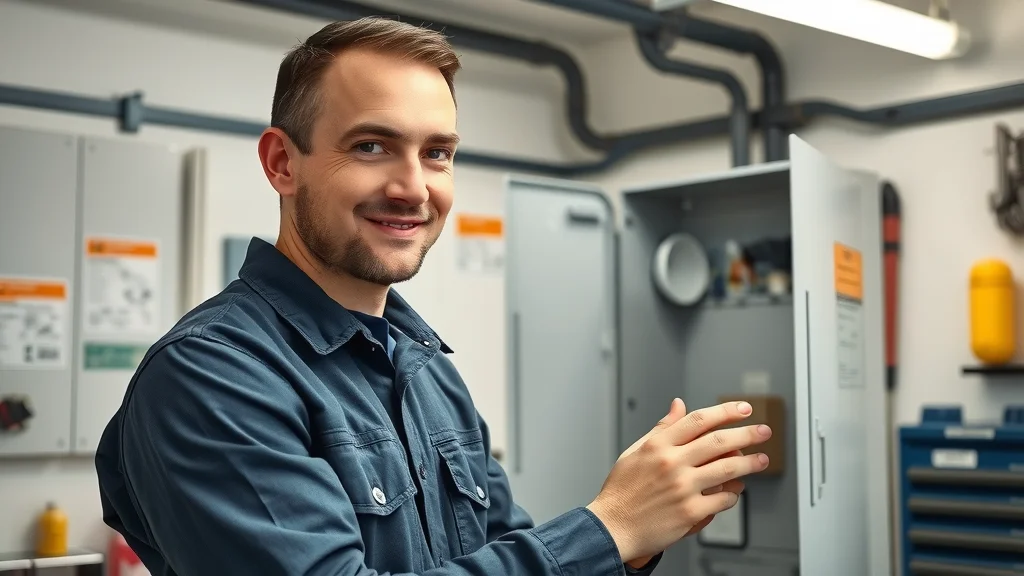
These federal rebates are part of recent clean energy initiatives that help homeowners modernize their electrical systems. The $4,000 breaker box and $2,500 wiring rebates are designed to support upgrades needed to safely add heat pumps, electric water heaters, solar panels, or EV chargers. They require using qualified contractors, following program guidelines, and submitting claims through your state’s energy or utility program. Don’t forget: these rebates are often time-sensitive and require prompt application after project completion.
What Qualifies as Energy Efficient Home Improvements for Taxes?
To qualify for the federal Energy Efficiency Home Improvement Credit, your upgrades must meet specific performance and certification requirements outlined by the IRS and Energy Star. Eligible projects include heat pumps, heat pump water heaters, insulation, windows, doors, and advanced thermostats. Always verify the latest list on official government websites and save receipts, product certifications, and contractor details for tax filing.
Which Home Energy Upgrades Are Worth It?
The best upgrades are those with a proven track record for reducing energy bills and qualifying for maximum rebates. Heat pumps, heat pump water heaters, solar panels, improved insulation, and smart thermostats top the list. When selected and installed by professionals, these efficient home improvements offer strong returns on investment and lasting savings.
FAQs on Energy-Efficient Upgrades
-
How long do energy-efficient upgrades last? Are there ongoing maintenance needs?
High-quality heat pumps, water heaters, and solar panels can last 10–20 years with routine care. Most systems require periodic inspections and occasional cleaning or filter changes to maintain peak efficiency. -
Can energy-efficient improvements negatively impact home value?
When installed correctly and documented, these upgrades almost always increase home value. However, poorly installed or outdated systems may turn off buyers or trigger expensive repairs. -
Are all energy-efficient upgrades eligible for Energy Star certification?
No. Only products meeting stringent federal standards receive Energy Star certification. Always check the official website or product labels before purchase. -
When does it make sense to replace vs. upgrade existing systems for better energy efficiency?
If your heating, cooling, or water heating equipment is over 10–15 years old or fails to meet current efficiency standards, replacement will usually offer the best return.
Key Takeaways for Your Next Energy-Efficient Upgrade
- Start every project with a professional home energy assessment
- Carefully research qualifying products for rebates and tax credits
- Insist on skilled, certified installation—especially for systems like heat pump water heaters and solar panels
- Maintain meticulous documentation for all upgrades and applications
- Apply for rebates and tax credits promptly—deadlines matter
- Layer incentives whenever possible to minimize upfront costs
- Ongoing maintenance is essential for achieving long-term energy savings
Start Your Energy-Efficient Upgrade Journey with Confidence
Begin your energy-efficient upgrade journey today—take the right steps, avoid costly missteps, and watch the savings add up.


Write A Comment