


But is this rush to digital home innovation truly a breakthrough, or is it just another fleeting trend? Let’s break down the facts and decide if smart home devices are transforming homes—or just cluttering our lives
Startling Trends in Smart Home Technology Adoption
The adoption of smart home technology is surging at an unprecedented rate, marking a pivotal shift in how we interact with our living spaces. Studies show that smart home devices—including smart locks, smart thermostats, and security cameras—are appearing in more than half of homes in developed countries. This overwhelming embrace points to a wider desire for convenience, efficiency, and safety. As more households invest in devices that automate lighting, control temperature by voice command, or allow remote monitoring, smart homes transition from novelty to necessity. In 2024, experts expect the global smart home market to surpass $150 billion, with widespread adoption driven by both tech enthusiasts and everyday consumers seeking seamless living.
What’s behind this explosive growth? A blend of accessibility and compelling benefits

"By 2024, over 60% of households in developed countries will integrate at least one smart home device." — Leading Industry Report
What You'll Learn About Smart Home Technology
- The top smart home technology breakthroughs of the year
- How smart home devices improve safety, efficiency, and comfort
- Expert recommendations for must-have smart home tech
- Key considerations before transforming your living space
- How to avoid common smart home technology mistakes
1. Smart Home Devices: Revolutionizing Everyday Living
Understanding Smart Home Technology and Home Devices
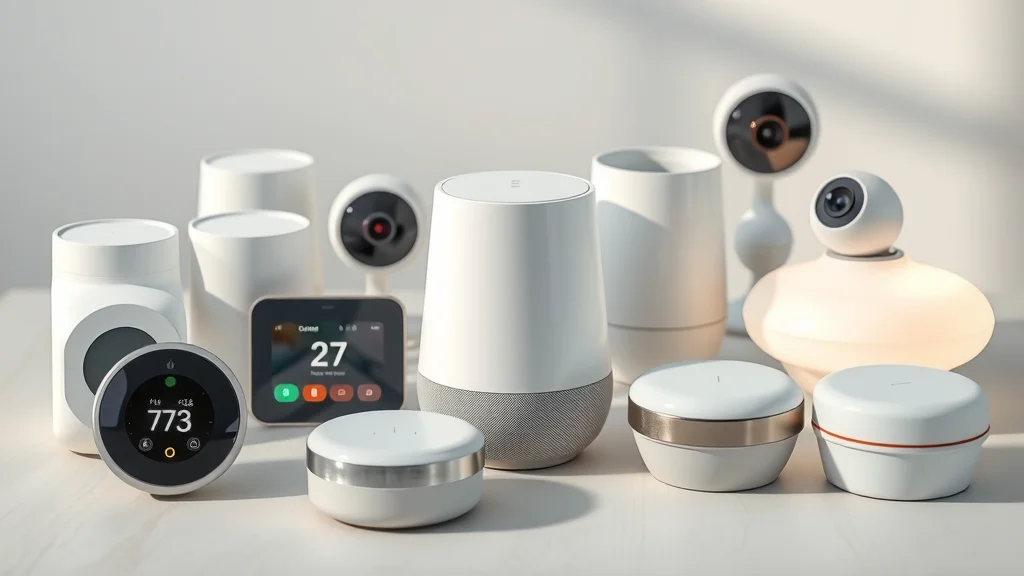
The core of modern smart home technology lies in its diverse range of home devices: from intuitive smart speakers and thermostats to security cameras and plugs, each device serves a unique function but is designed to work seamlessly within an ecosystem. Central smart home hubs and platforms allow you to control and manage these devices collectively, often through a single app or voice assistant. Whether adjusting lighting, setting climate preferences, or viewing live security feeds, smart devices simplify routines and introduce efficiencies that manual solutions can’t match. These systems are engineered for user-friendly installation and everyday integration, so technology enhances living—not complicates it.
Moreover, industry leaders are innovating rapidly. Features like real-time energy reports, geofencing, and automation enable home tech to anticipate needs—like lowering the thermostat when you leave or turning lights on as you arrive home. With compatibility expanding through standards like Zigbee, Z-Wave, and Matter, smart home devices work across different brands, making it easier to build a connected home ecosystem tailored to personal needs. As newer generations of smart home devices integrate sensors and artificial intelligence, expect your living space to “learn” and adapt faster, making connected homes more responsive than ever.
How Smart Home Technology Improves Home Life
Embracing smart home technology isn’t just about possessing the latest gadgets—it’s about tangible improvements to daily living. First, enhanced convenience via automation is transformative: from automatically brewing coffee in the morning to setting the mood with lighting scenes controlled by a simple voice command. This streamlining saves time, simplifies complex routines, and reduces the mental load of mundane tasks.
- Energy and cost efficiency comes next: Smart thermostats optimize heating and cooling to lower energy bills, while smart plugs cut standby power waste. Smart devices can translate into real savings—often paying for themselves over time.
- Lastly, intelligent scheduling lets household systems adapt to changing habits—dim the lights, play ambient music, or lock doors at set times—enhancing comfort, safety, and control.
By placing technology at your fingertips, smart home devices transform the traditional home into a forward-thinking space designed to nurture well-being and efficiency for all who live there.
"Smart home technology isn’t science fiction; it’s a catalyst for sustainable, more secure living." — Home Tech Expert
2. Smart Plugs and Smart Lights: The Entryway to Smart Homes
Top Smart Plugs for Seamless Home Automation
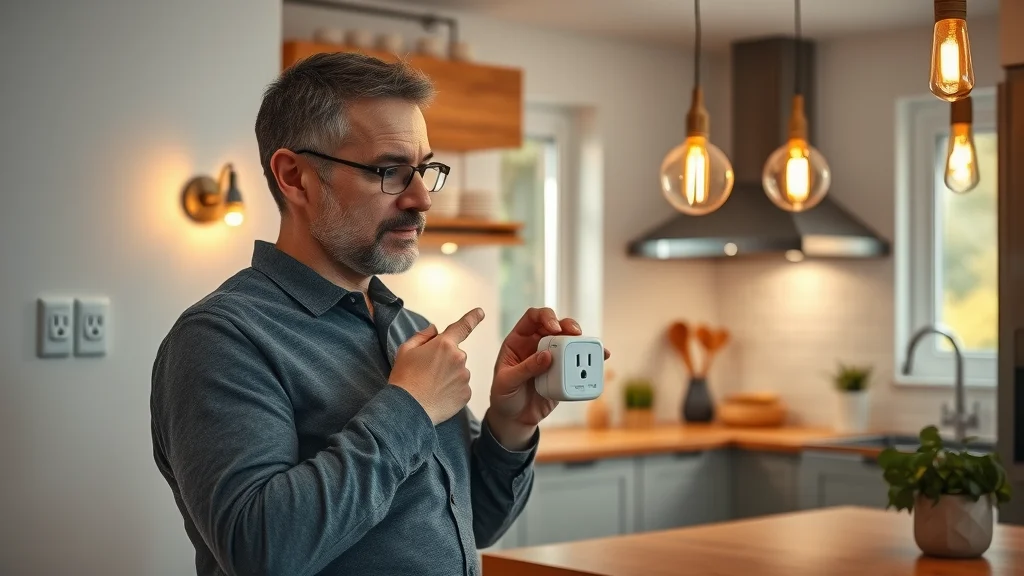
If you’re new to smart home technology, starting with a smart plug is a game-changer. These compact yet powerful devices plug into any traditional outlet, transforming regular appliances into smart home devices you can control from your phone or with a voice assistant. Imagine turning off the iron from work or scheduling your lamps to come on at sunset—all through a tap or a voice command. Top-performing smart plugs, such as those from TP-Link, Wemo, and Amazon Smart Plug, offer reliable Wi-Fi connectivity, minimal installation effort, and compatibility with major home hub platforms.
The real beauty of smart plugs is their versatility. They’re perfect for automating everything from coffee makers to fans and holiday lights, allowing you to dip your toes into smart tech without overwhelming investment or complexity. When paired with smart lights or speakers, they offer instant upgrades to ambiance and utility, extending convenience throughout the home. No matter your technical expertise, smart plugs are the simple, affordable first step toward building your own connected home.
Smart Light Innovations in Today’s Market
Smart lights are another foundational piece of the smart home puzzle. Gone are the days of basic on/off switches—instead, modern smart light bulbs like Philips Hue and LIFX offer dynamic color changes, adjustable brightness, and integration with routines that automatically adjust based on the time of day, occupancy, or weather. These smart light innovations create incredible opportunities for personalizing your environment and even improving your well-being, with features like simulated sunrise alarms and energy usage tracking.
Integration is key: With the help of a smart home hub or voice platform, smart lights become part of larger home automation, syncing with motion sensors, door locks, or entertainment systems. And, compared to many other smart devices, smart lights are relatively easy to install and update. By investing in these straightforward upgrades, homeowners not only modernize their living spaces but also lay the groundwork for deeper smart home integration.
3. Smart Thermostats: The Heart of Smart Home Technology
Leading Smart Thermostat Models for Efficiency
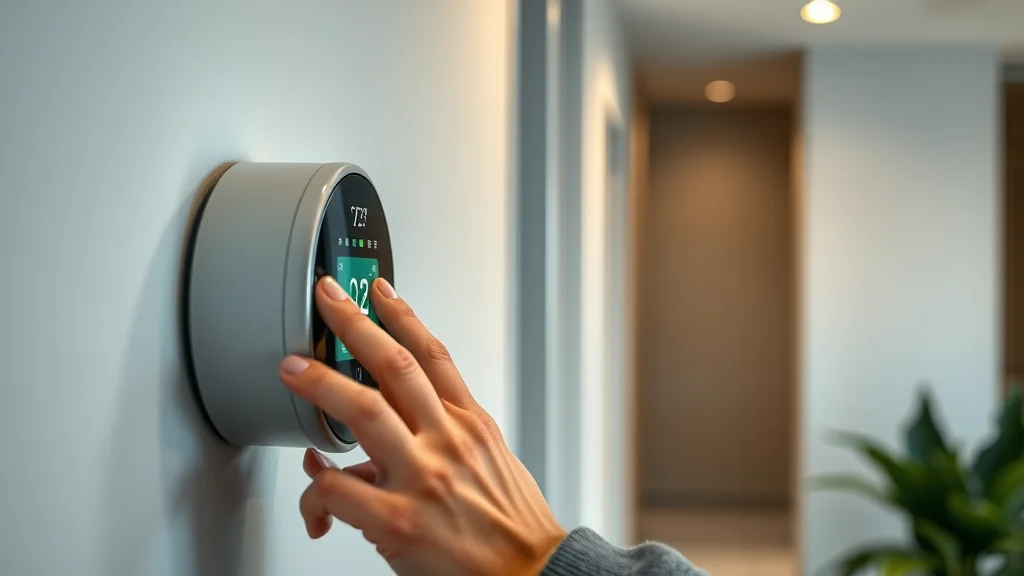
The smart thermostat stands out as one of the most transformative innovations in home technology. These intelligent devices such as the Nest Learning Thermostat, Ecobee, and Honeywell Home are engineered to optimize your climate control, learning your schedule and preferences to automatically adjust settings for maximum comfort and minimal energy use. Unlike traditional thermostats, smart versions connect to Wi-Fi and your home platform, allowing you to control heating and cooling from anywhere using a smartphone, web browser, or voice command with platforms like Google Assistant or Amazon Alexa.
Installation is designed to be user-friendly, often requiring only a few basic steps and providing detailed guidance through an app. Beyond comfort, the savings are real: Many users report slashing annual energy bills by as much as 23%. As part of a robust connected home ecosystem, smart thermostats integrate with other devices like sensors and fans, responding intelligently to changing weather or occupancy. As you weigh your options, consider not just the “smarts” but the compatibility and long-term support offered by different brands.
| Model | Key Features | Integrations | Approx. Price |
|---|---|---|---|
| Nest Learning Thermostat | Auto-schedule, Energy History, Remote Control | Google Assistant, Alexa, Apple HomeKit | $199 - $249 |
| Ecobee SmartThermostat | Room Sensors, Voice Control, Eco+ Scheduling | Amazon Alexa, Google Assistant, Apple HomeKit | $179 - $249 |
| Honeywell Home T9 | Smart Room Sensors, Geofencing, Multi-Room Control | Alexa, Google Assistant, SmartThings | $129 - $199 |
4. Smart Security: Security Cameras, Systems, and Smart Locks
Securing Your Home with Advanced Security Cameras
Smart home technology goes beyond comfort and convenience—security has become a defining feature of modern home tech. Today’s security cameras come equipped with HD video, night vision, two-way audio, and motion detection that sends instant alerts to your phone. Top brands like Arlo, Ring, and Google Nest Camera allow for cloud storage and live monitoring from anywhere, ensuring you’re always connected to what matters most. These systems also often integrate seamlessly with your smart home hub and automation routines, activating upon certain triggers for extra peace of mind.
Beyond traditional use, security cameras can also monitor packages, check in on pets, or notify you of unusual activity around the clock. When combined with smart lights or a robust security system, they create a multi-layered defense strategy that’s difficult for intruders to bypass. With the right installation and privacy consideration, a smart camera system can offer lasting protection for your connected home.
Smart Locks: Balancing Security and Convenience
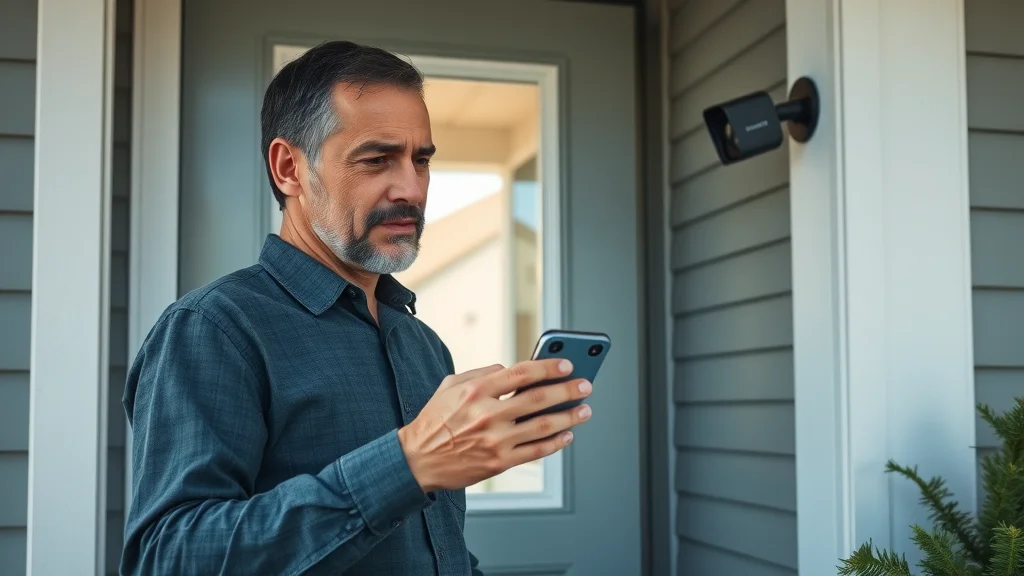
Smart locks exemplify the fusion of security and convenience. These advanced devices replace or augment traditional deadbolts, letting you unlock your door with a smartphone, keypad, fingerprint, or even voice command. Leading models, such as August Smart Lock and Schlage Encode, support remote access, letting you create temporary codes for guests or monitor door activity in real time. For families or small businesses, this means flexible access without losing track of loose keys—or worrying about who’s coming and going.
Choosing a smart lock for your home involves considering compatibility with your door, integration with your smart home platform, and the reliability of its fail-safes during a power outage. In smart homes, these locks often sync with other devices—like setting the alarm or turning on entryway lights when you leave or unlock the door. While every new technology raises security questions, well-configured smart locks enhance protection without sacrificing usability, representing a robust step in the evolution of home technology.
5. Smart Assistants and Smart Home Hubs: Centralizing Your Smart Home Devices
How Google Assistant and Competing Platforms Power Smart Homes
At the heart of every truly smart home is a home hub or voice platform—like Google Assistant, Amazon Alexa, or Apple HomeKit—responsible for tying all your devices together. These platforms centralize control, allowing you to manage lighting, temperature, door locks, and entertainment with a single interface or through intuitive voice commands. Google Assistant, in particular, boasts broad compatibility and natural language processing, enabling routines such as “Good Morning” that trigger several actions at once—like adjusting your thermostat, reading the news, and turning on the lights.
Home hubs aren’t just about convenience—they’re the nerve centers that unlock the real potential of your connected home technology. Features such as multi-room audio, interoperability with third-party apps, proactive notifications, and support for automation all hinge on having the right hub. When choosing a home hub, consider future-proofing, ease of use, and the types of devices you plan to integrate.
| Hub Name | Compatible Voice Assistants | Supported Devices | Unique Features |
|---|---|---|---|
| Google Nest Hub | Google Assistant | Lights, thermostats, cameras, speakers | Visual display, strong voice recognition |
| Amazon Echo (4th Gen) | Amazon Alexa | Wide range, Z-Wave, Zigbee | Routine automation, broad integration |
| Apple HomePod Mini | Siri | Apple HomeKit devices | Private user data, seamless iOS integration |
6. Smart Home Tech for Entertainment and Lifestyle
Smart Devices for Entertainment: Speakers, Streaming, and More
Entertainment has seen a true facelift with advances in smart home technology. Smart speakers like Sonos, Google Nest Audio, and Apple HomePod offer immersive audio and hands-free music streaming—responding instantly to voice requests, adjusting volumes, or managing playlists across rooms. With one simple command, you can launch a movie marathon, stream news, or play games, all integrated within your home ecosystem. The rise of smart TVs and streaming sticks, such as Roku and Fire TV, further centralizes entertainment access using one remote or app.
Beyond music and video, many smart home products enhance ambiance with smart lights that sync to beats, color-changing bulbs to suit your mood, and even AR/VR integrations for gaming. As home tech evolves, expect more personalized, engaging, and seamless entertainment experiences—whether you’re hosting friends, enjoying a family night, or relaxing solo in your connected home.

7. Smart Home Technology in Appliances: Kitchens and Beyond
The Rise of Smart Kitchen Devices and Home Technology Innovations
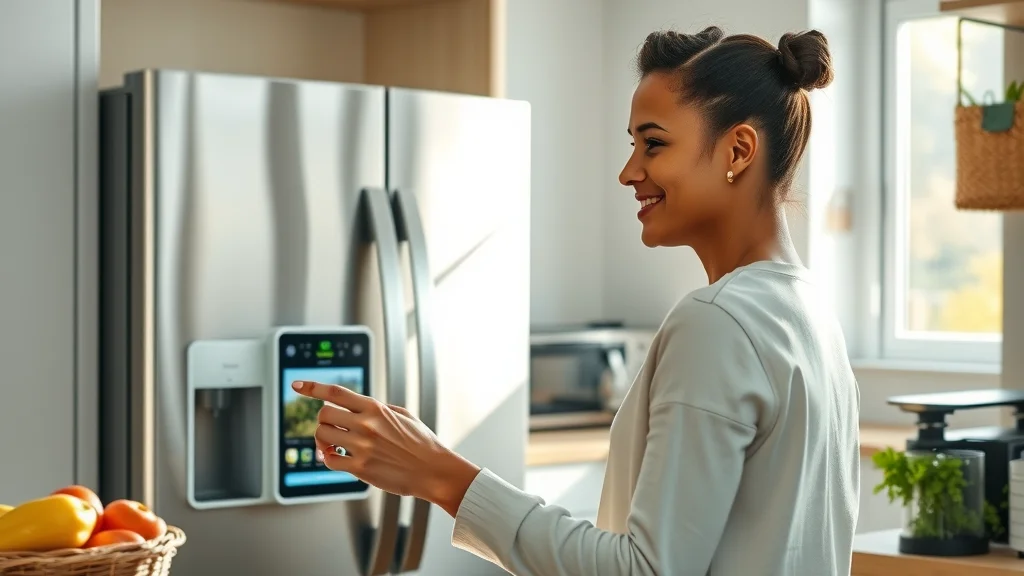
Smart home technology’s reach now extends to the kitchen, where innovation has redefined how we cook, store food, and manage daily routines. Smart fridges with embedded touchscreens help manage grocery lists, display recipes, and monitor food freshness. Devices like instant pot cookers, coffee machines, and dishwashers come Wi-Fi enabled for remote scheduling and performance tracking, adding unmatched convenience to meal preparation and cleanup.
Some of the most exciting home tech developments are found in these everyday appliances. Newer smart kitchen devices can be integrated into wider home automation routines—starting the coffee machine as your alarm goes off, or adjusting ventilation as cooking begins. These connected devices save time, reduce waste, and create a sense of harmony within the home, making them essential for any tech-forward household seeking improved lifestyle and efficiency.
8. Home Technology Advances: The Future of Smart Homes
Upcoming Trends in Home Tech and Smart Devices
The future of smart home technology is bright and brimming with possibility. Upcoming trends include expanded use of artificial intelligence, allowing homes to autonomously anticipate needs—like adjusting environments to personal health data or detecting hazards in real time. Expect a surge in interoperability, where more devices from competing brands can seamlessly communicate, driven by standards such as Matter and Thread.
Moreover, sustainable living will be a focal point: Smart meters, water leak detectors, and real-time energy analytics are being integrated into everyday home devices. Virtual assistants and home robotics will further ease chores, while advances in security systems will use biometrics and advanced encryption for enhanced protection. As these technologies become more accessible, the modern smart home will be defined not just by convenience but by sustainability, safety, and unrivaled user experience.
9. Transforming Your Living Space: How to Make Your House a Smart Home
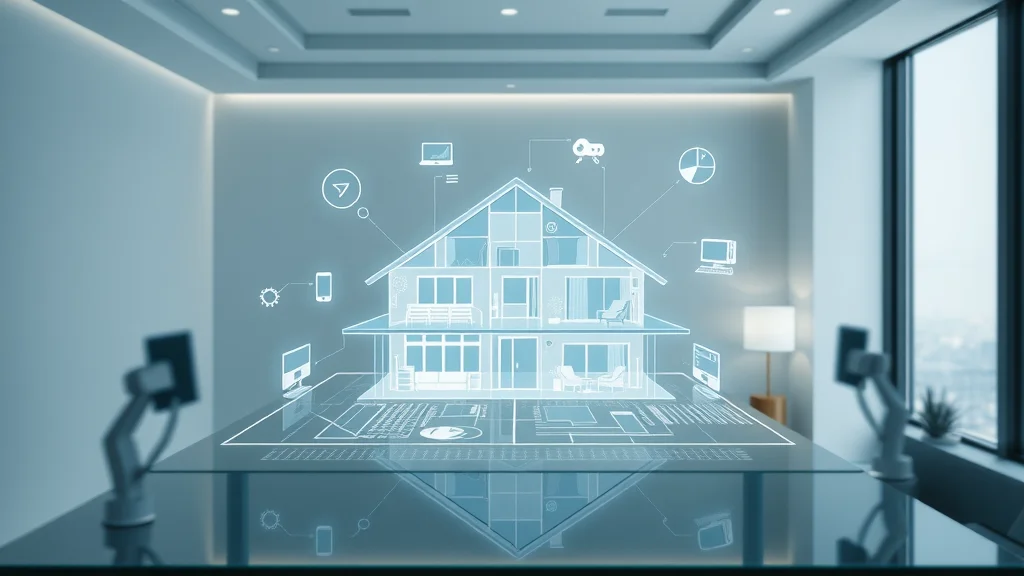
Ready to start your smart home journey? Begin by focusing on essential smart home devices that offer the greatest return: smart plugs, lights, and a trusted smart home hub
-
Step-by-step guide to starting with smart home technology:
1. Choose a smart home platform (Google Assistant, Alexa, Apple HomeKit)
2. Add foundational devices (plugs, smart lights, thermostat)
3. Connect security devices (cameras, locks)
4. Integrate entertainment and kitchen smart tech
5. Set automations and customize routines -
Essential home devices checklist:
- Reliable smart home hub
- Smart thermostats for efficient climate control
- Connected security cameras and smart locks
- Smart plugs and lights for simple automation
- Voice assistants for hands-free control
- Smart kitchen appliances
The key is to start simple and expand strategically, guided by the real needs of your household and the practical advantages that smart devices bring day after day.
10. Drawbacks and Concerns: Are There Downsides to Smart Home Tech?
- Security and privacy challenges: Networked home devices can be vulnerable to cyberattacks or unauthorized access without proper safeguards. Always use strong passwords, enable two-factor authentication, and keep firmware updated.
- Initial investment concerns: A comprehensive smart home setup can have a higher upfront cost, but many users report that savings and convenience quickly offset this expenditure over time.
- Compatibility issues: Not all devices play well together. Choosing widely supported standards and planning your purchases prevents headaches and ensures long-term satisfaction.
"Like any breakthrough, smart home technology is not without its risks — but knowledge and careful planning minimize them." — Tech Security Analyst
People Also Ask About Smart Home Technology
What are examples of smart home technologies?
Answer: Explore top smart home devices such as smart speakers, smart thermostats, security cameras, smart locks, and smart plugs that define the modern smart home experience.
What is the best smart home tech?
Answer: The best smart home tech currently depends on user needs, but leading contenders include integrated smart speakers, advanced smart thermostats, and robust security systems.
How do I make my house a smart home?
Answer: Begin with foundational smart home devices: smart hubs, thermostats, lighting, and gradually expand to include security cameras, smart plugs, and voice assistants.
Are there any downsides to smart home tech?
Answer: Downsides include potential cybersecurity risks, compatibility challenges, and higher upfront investment costs. With diligent planning, most concerns can be addressed.
Expert FAQs on Smart Home Technology
- How secure is smart home technology today?
- Can smart home devices save me money?
- Are smart home devices difficult to install?
Key Takeaways: Smart Home Technology’s True Potential
- Smart home technology streamlines daily life and improves efficiency
- Early adoption leads to long-term cost and comfort benefits
- Security remains a top priority for responsible smart home technology use
Conclusion: Is Smart Home Technology Worth the Investment?
Embracing smart home technology unlocks a world of comfort, savings, and security—a breakthrough well worth considering for every modern household.
"For homeowners eager to embrace the future, smart home technology is not just an upgrade; it’s a lifestyle leap." — Industry Leader
Explore Smart Home Technology Solutions Today – Start Transforming Your Home
Ready to step into the future? Begin with one smart device—then watch your home and your life transform!


Write A Comment