


Living in Southwest Florida means facing the annual challenge of hurricane season, where tropical storms can rapidly evolve into devastating hurricanes. Preparing your home and family is crucial to minimize damage and ensure safety. These hurricane preparation tips offer a complete roadmap to ready your property, protect your loved ones, and navigate post-storm recovery efficiently.
From safeguarding your windows to planning for evacuation, this guide combines practical advice with expert insights from Ron of R & L Building Construction, a trusted local contractor. By following these steps, homeowners can face hurricane season with confidence and resilience.
Understanding Hurricane Preparation: Key Concepts and Importance
- Definition of hurricane preparation and hurricane preparedness
- Overview of hurricane season and tropical storm risks in Southwest Florida
- Why effective hurricane prep is critical for homeowners
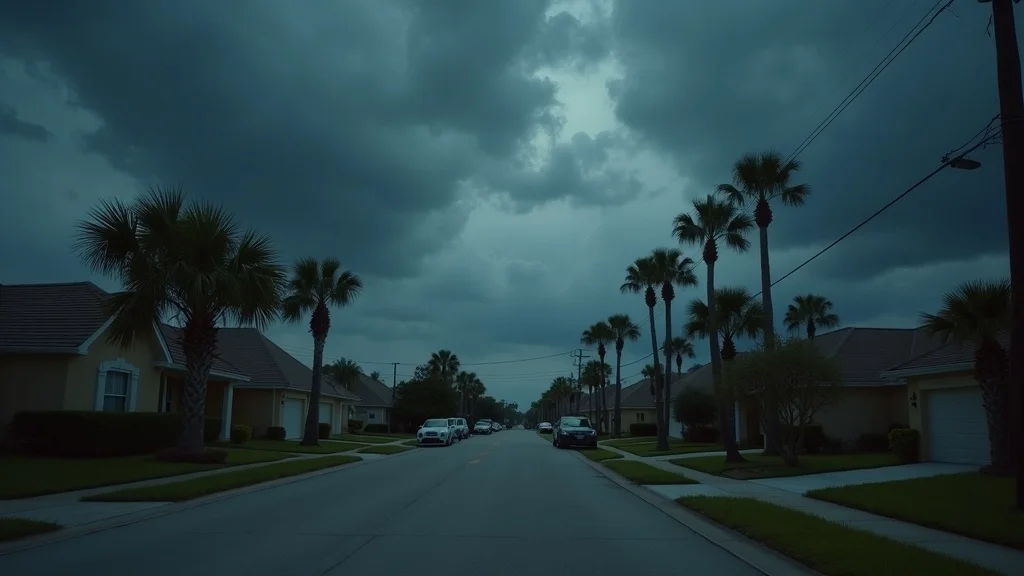
Hurricane preparation encompasses all measures taken before a storm to protect lives and property. It involves securing the home, assembling emergency supplies, planning evacuation routes, and safeguarding vital documents. Southwest Florida enters hurricane season typically from June through November, facing frequent tropical storms and hurricanes that threaten severe wind damage, flooding, and power outages.
Proper preparation is not just a safety precaution but a critical necessity due to the region’s vulnerability. Unpreparedness can lead to severe property damage, financial loss, and even risk to personal safety. Homeowners who anticipate risks and act early experience less disruption and quicker recoveries. Understanding what needs to be done before a hurricane advances helps prevent catastrophic outcomes and eases the stress that accompanies these intense weather events.
Comprehensive Hurricane Preparation Checklist for Southwest Florida
- Securing glazed openings with impact windows, shutters, or plywood
- Stocking essential hurricane kit items
- Evacuation planning and timing for category 3 or higher storms
- Protecting pets, important documents, and medicines
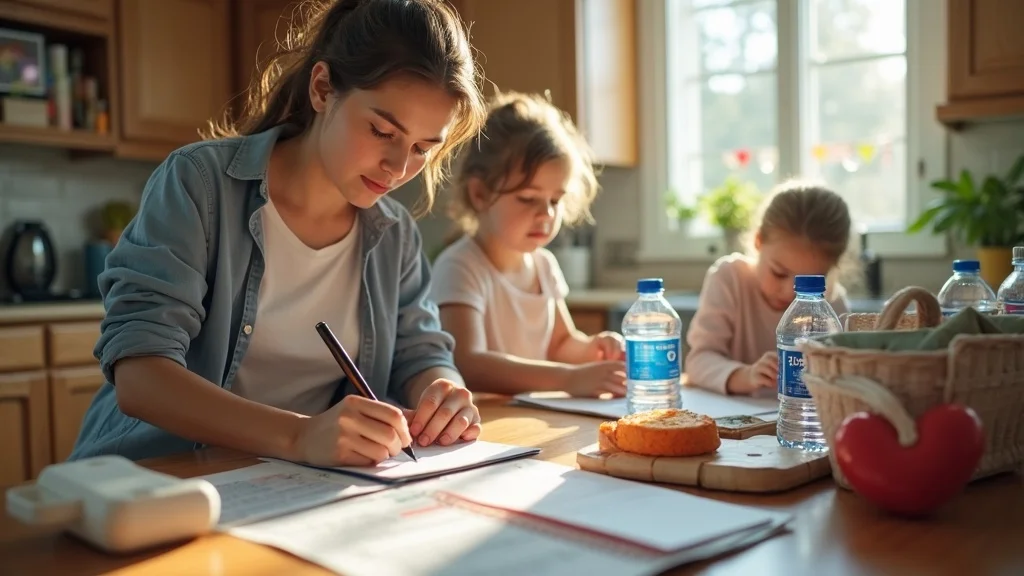
One of the paramount hurricane preparation tips is properly securing windows and glass doors. If your home does not have certified impact windows, installing hurricane shutters or, at minimum, boarding up with plywood is vital. Ron from R & L Building Construction stresses, "The most important thing is to get those openings protected to prevent cyclonic pressure that can blow the roof off homes during a hurricane. " This pressure occurs when strong winds breach openings, causing structural failure.
Additionally, every household should assemble a hurricane kit stocked with essentials: non-perishable food, water (at least one gallon per person per day), prescription medicines, flashlights, batteries, pet supplies, and copies of important documents. Planning an evacuation ahead of time is also crucial, especially for category 3 or stronger storms. Know your evacuation routes and don’t delay leaving when advised, prioritizing safety above all.
Expert Insights on Preparing for a Hurricane from Ron of Southwest Florida
Ron, a state-certified building and roofing contractor, explains, "The most important thing is to get those openings protected to prevent cyclonic pressure that can blow the roof off homes during a hurricane. "
- Importance of hurricane-rated windows and shutters
- Risks of inadequate protection leading to catastrophic roof damage
- Advice on early preparation when tropical storm warnings arise
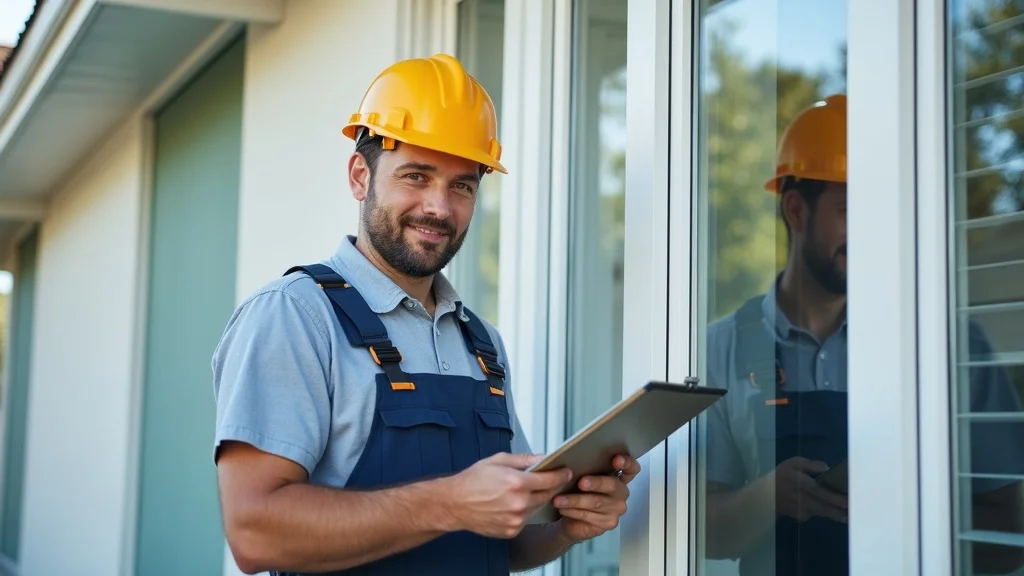
Ron highlights that investing in hurricane-rated windows and shutters is a proactive step to prevent the most damaging winds from compromising your home’s structure. “I’ve witnessed firsthand how homes with poorly protected glass suffered catastrophic roof losses after the winds penetrated the openings,” he shares.
Homeowners should act as soon as tropical storm warnings indicate sustained winds near 75 mph or when their area is inside the hurricane forecast cone. Early boarding up or shutter installation can prevent storm-related interior damage and the enormous cost of roof repair or replacement. Ron also advises, “Being ready before the storm hits makes all the difference. ”
Post-Hurricane Actions: What Homeowners Should Do Immediately After the Storm
- Taking time-stamped photographs before and after the storm for insurance claims
- Performing safe, minimal cleanup to access home and driveway
- Avoiding dangerous activities such as climbing on roofs
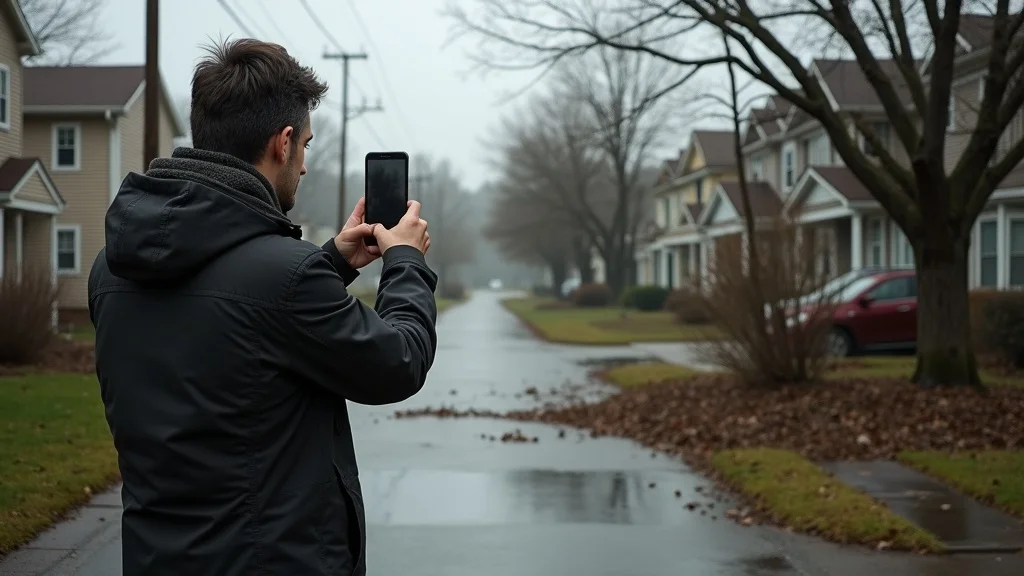
After a hurricane passes, safeguarding your property and preparing for insurance claims becomes the priority. Ron from R & L Building Construction recommends that homeowners promptly take time-stamped photographs of their property—both before the storm, if possible, and immediately after. This visual evidence helps avoid disputes about pre-existing damage and expedites insurance processing.
While minor cleanup to clear pathways and enable safe access is acceptable, avoid risky actions such as climbing on damaged roofs or over unstable debris. Safety is paramount; damaged structures can collapse or cause injury. Rather, document damages in detail and contact a reputable contractor for professional assessment and repairs.
Choosing the Right Contractor for Storm Restoration and Insurance Assistance
Ron of Southwest Florida advises, "Look for companies with a complete building and roofing license that have been in the area for years to avoid deceptive storm chasers. "
- Risks of signing contracts with storm chasers who take over insurance claims
- How to verify contractor reputation via county records, MyFloridaLicense.com, and Better Business Bureau
- Benefits of hiring a one-stop shop contractor for roofing and remodeling
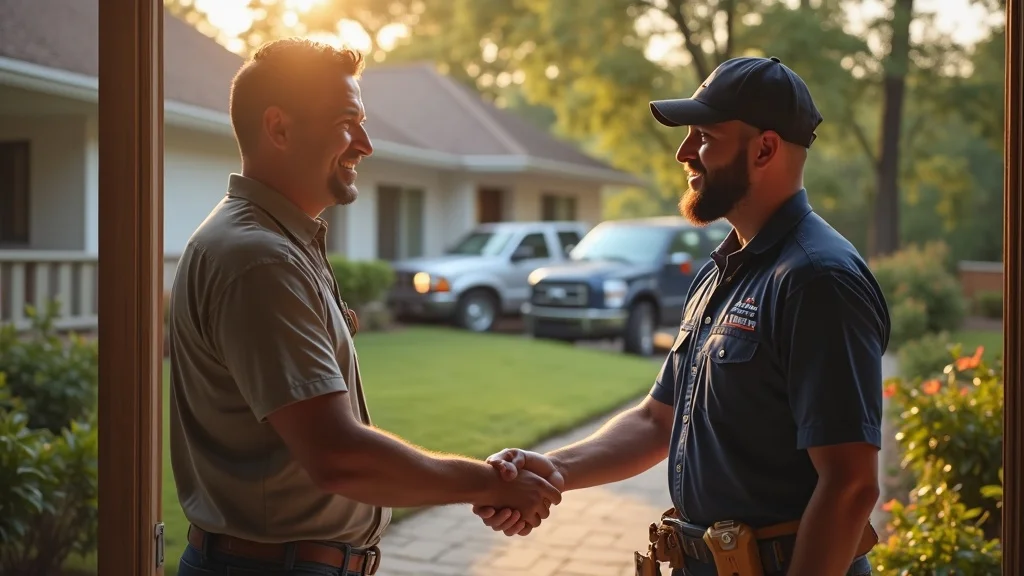
A less-discussed but critical step in hurricane preparation tips is vetting contractors for post-storm repairs. Ron cautions against storm chasers—contractors who show up just before or after a hurricane, often lacking licenses or local reputation, trying to sign over your insurance rights. These agreements often leave homeowners stuck with poor service or legal complications.
To avoid scams, homeowners should check a contractor's credentials through county permit records, the Florida DBPR site (MyFloridaLicense. com), and the Better Business Bureau. Hiring a licensed, local contractor like R & L Building Construction ensures you get a one-stop solution for roofing, remodeling, and insurance coordination, streamlining repairs and preventing unexpected pitfalls.
Common Mistakes and Misconceptions in Hurricane Preparation and Recovery
- Misunderstanding the purpose of plywood as hurricane protection
- Delaying evacuation during high-category hurricanes
- Failing to document damage properly for insurance claims
Many homeowners mistakenly believe that simply boarding up windows with plywood guarantees full hurricane protection. However, as Ron explains, plywood cannot fully prevent internal cyclonic pressure that causes structural roof failures. Certified hurricane shutters or impact windows offer far superior defense.
Another common error is delaying evacuation. Once a hurricane reaches category 3 or above, early evacuation can save lives. Staying behind to ride out the storm increases risk drastically.
Finally, neglecting to document property conditions before and after the storm complicates insurance claims, potentially delaying repairs. Proper documentation paired with a licensed contractor's support prevents these costly mistakes.
People Also Ask: Essential Hurricane Preparation FAQs
What are 5 ways to prepare for a hurricane?
Prepare by securing windows with impact-resistant materials or shutters, assembling an emergency hurricane kit with food, water, and medicines, planning evacuation routes for high-category storms, protecting pets and important documents, and staying informed via weather updates.
What should you stock up on before a hurricane?
Stock up on at least three days’ worth of non-perishable food, bottled water, prescription medicines, batteries, flashlights, pet supplies, cash, and copies of essential documents like IDs and insurance papers.
Where is the safest place to be during a hurricane?
The safest place is a small interior room on the lowest level of your home, away from windows and exterior walls. Examples include a closet, bathroom, or hallway, providing protection from flying debris and severe winds.
What are the 5 P's of preparedness?
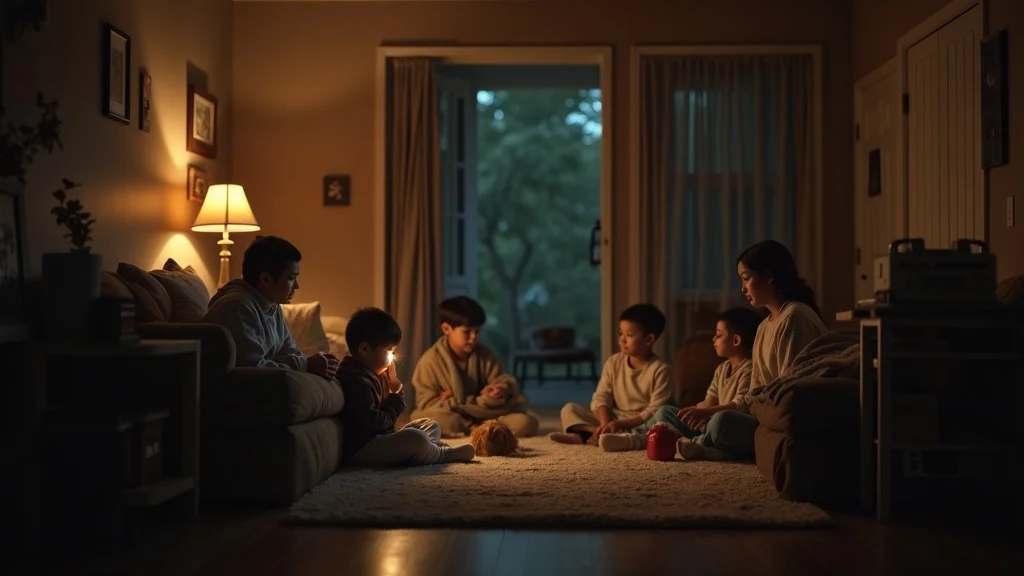
The 5 P's stand for: People and Pets (ensuring safety), Prescriptions (medications), Papers (important documents), Personal Needs (supplies and equipment), and Priceless Items (valuables you can carry).
What You'll Learn
- How to effectively prepare your home and family for hurricane season
- Steps to take immediately after a hurricane to protect your property and insurance claim
- How to select a trustworthy contractor for storm restoration
- Common pitfalls to avoid during hurricane preparation and recovery
| Preparation Step | Description | Expert Tip |
|---|---|---|
| Secure Windows and Doors | Install impact-resistant windows or shutters | Ron: "Protect openings to prevent cyclonic pressure damage." |
| Assemble Hurricane Kit | Gather food, water, medicines, and supplies | Include pet needs and important documents. |
| Plan Evacuation | Know evacuation routes and timing | Evacuate early for category 3+ storms. |
| Document Property | Take before and after photos | Time-stamped photos aid insurance claims. |
| Choose Contractor | Hire licensed, local, reputable professionals | Check licenses and BBB ratings. |
Key Takeaways
- Early and thorough hurricane preparation can prevent catastrophic home damage.
- Proper documentation is essential for smooth insurance claims.
- Avoid storm chasers and verify contractor credentials carefully.
- Evacuation is critical for safety during major hurricanes.
Final Recommendations for Southwest Florida Homeowners
Start your hurricane prep early, protect your windows with certified materials, plan evacuation routes if storms escalate beyond category 3, document your property meticulously, and only hire trusted local contractors to manage repairs and insurance claims.
Sources
- https://www.weather.gov/safety/hurricane-plan
- https://www.redcross.org/get-help/how-to-prepare-for-emergencies/types-of-emergencies/hurricane.html
- https://www.stateofflorida.com/articles/hurricane-preparedness-guide/
- https://teamrubiconusa.org/news-and-stories/hurricane-preparation-checklist/
- https://buchanan.house.gov/resources/hurricaneready/
- https://www.noaa.gov/hurricane-prep





Write A Comment